
What Is a Metaphor for Blind?
Simple Definition of a Blind Metaphor
A metaphor for blind is a comparison that describes a person’s lack of awareness or understanding by connecting it to another image.
For example:
“He was walking through a fog of confusion.”
This does not mean the person is actually in fog. It means they cannot clearly understand the situation.
Why Writers Use Blind Metaphors
Blindness metaphors help explain ideas that are difficult to see physically.
Writers use them to describe:
- Lack of knowledge
- Ignoring the truth
- Confusion
- Emotional unawareness
- Poor judgment
- Refusal to accept reality
The Best Metaphors for Blind
Blindness Is a Dark Room
Meaning of the Metaphor
A dark room represents a place where it is difficult to see or understand what is around you.
This metaphor shows confusion or a lack of awareness.
Example Sentence
“His mind was a dark room, unable to see the truth in front of him.”
This represents a lack of understanding.
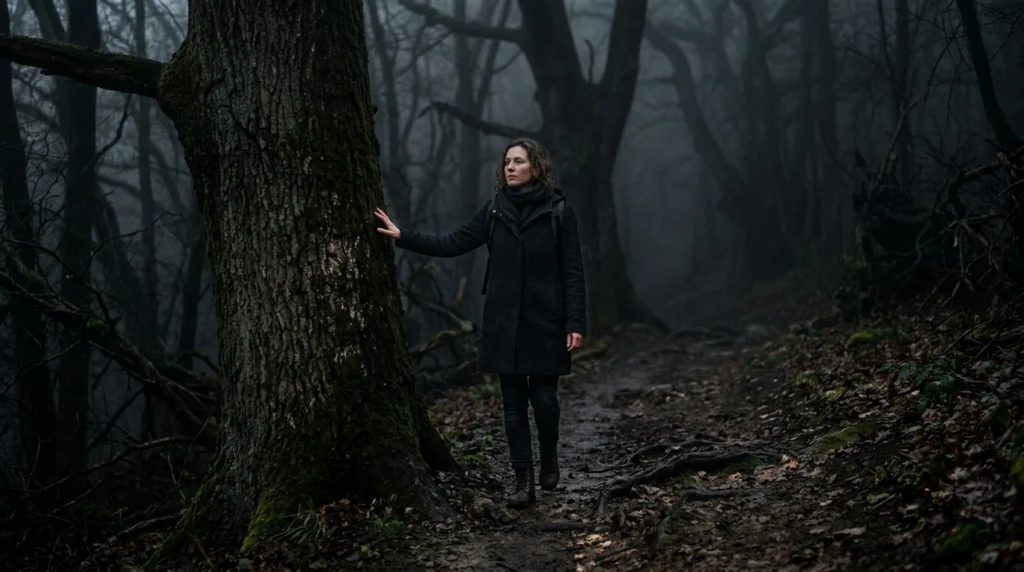
Blindness Is a Foggy Path
Meaning of the Metaphor
Fog makes it difficult to see the way ahead.
This metaphor represents uncertainty and confusion about decisions or situations.
Example Sentence
“She walked through a foggy path, unsure of what choice to make.”
This shows unclear thinking.
Blindness Is a Closed Door
Meaning of the Metaphor
A closed door blocks access and prevents someone from seeing what is beyond it.
This metaphor represents a person who refuses to accept new ideas or information.
Example Sentence
“His stubbornness was a closed door blocking him from the truth.”
This shows unwillingness to understand.
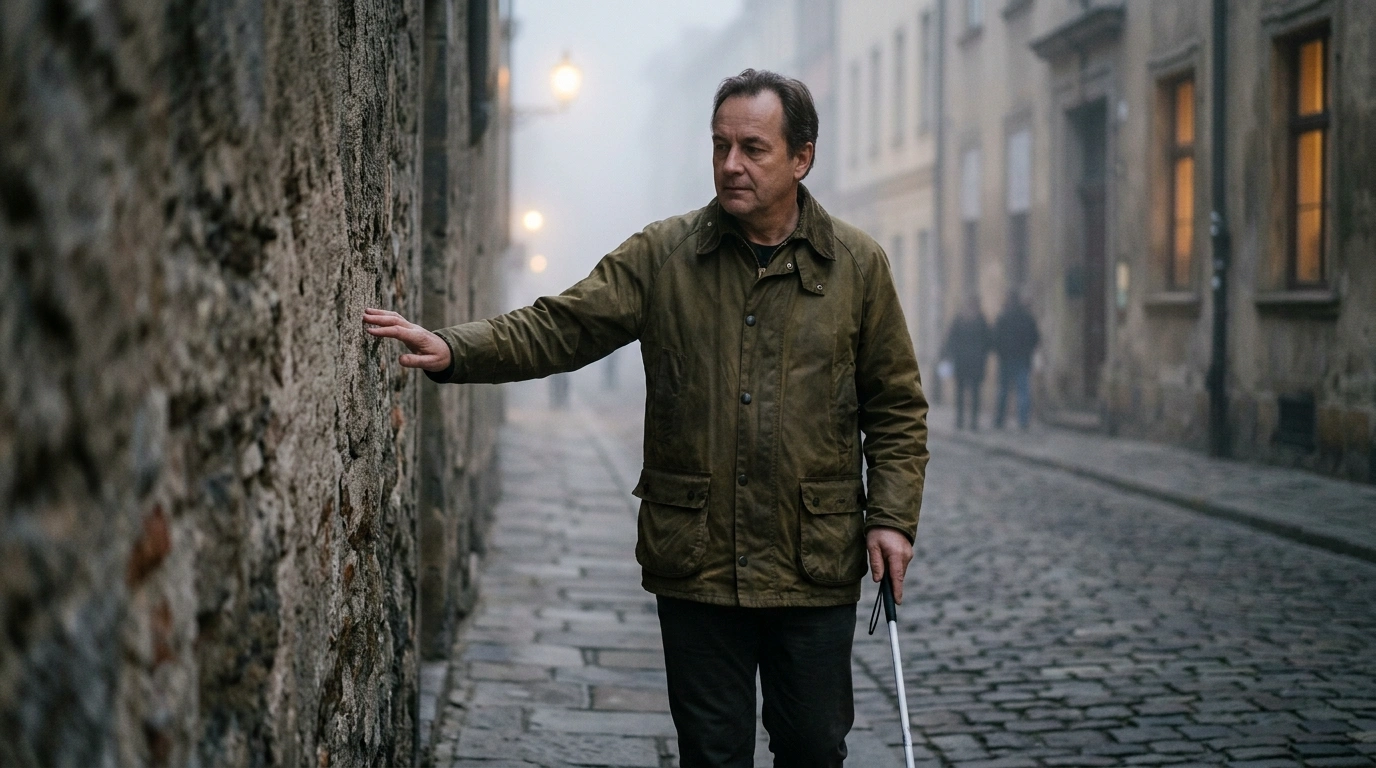
Blindness Is a Wall
Meaning of the Metaphor
A wall creates separation and blocks vision.
This metaphor suggests that beliefs, emotions, or ignorance can prevent understanding.
Example Sentence
“Her pride built a wall between her and reality.”
This shows emotional blindness.
Blindness Is a Covered Window
Meaning of the Metaphor
A window allows people to see outside, but a cover blocks the view.
This metaphor represents hidden knowledge or missed opportunities.
Example Sentence
“His fear was a curtain over the window of understanding.”
This shows how emotions can block awareness.
Blindness Is a Locked Book
Meaning of the Metaphor
A locked book contains information that cannot be accessed.
This metaphor represents a person who lacks knowledge or refuses to learn.
Example Sentence
“Without curiosity, his mind became a locked book.”
This shows limited understanding.
Blindness Is a Sleeping Mind
Meaning of the Metaphor
A sleeping mind is not fully active or aware.
This metaphor describes someone who fails to notice important things.
Example Sentence
“His sleeping mind ignored the warning signs around him.”
This represents a lack of attention.
Blindness Is a Mask
Meaning of the Metaphor
A mask hides what is underneath.
This metaphor shows how emotions, beliefs, or fear can hide reality from someone.
Example Sentence
“Denial was a mask covering the truth.”
This represents emotional blindness.
Blindness Is a Broken Compass
Meaning of the Metaphor
A compass helps people find direction.
A broken compass represents confusion and poor decisions.
Example Sentence
“Without wisdom, his choices became a broken compass.”
This shows a lack of guidance.
Blindness Is a Ship Without a Map
Meaning of the Metaphor
A ship without a map can travel without knowing the correct direction.
This metaphor represents uncertainty and lack of awareness.
Example Sentence
“He moved through life like a ship without a map.”
This shows confusion.
Comparison Table: Different Metaphors for Blind
| Metaphor | Meaning | Message |
|---|---|---|
| Blindness is a dark room | Lack of understanding | Truth is hidden |
| Blindness is a foggy path | Confusion | Direction is unclear |
| Blindness is a closed door | Refusing knowledge | Opportunities are blocked |
| Blindness is a wall | Emotional barriers | Understanding is limited |
| Blindness is a covered window | Hidden awareness | Vision is blocked |
| Blindness is a locked book | Lack of learning | Knowledge is unavailable |
| Blindness is a mask | Hidden reality | Truth is ignored |
| Blindness is a broken compass | Poor direction | Decisions become difficult |
How to Create Your Own Metaphor for Blind
Identify What Is Hidden
Think about what kind of blindness you want to describe.
Ask:
- Is someone ignoring the truth?
- Are they confused?
- Are they refusing to learn?
- Are emotions blocking their judgment?
Choose a Strong Image
Pick something that represents a lack of vision.
Examples:
- Fog for confusion
- Wall for barriers
- Door for blocked opportunities
- Darkness for uncertainty
Connect Similar Qualities
A good metaphor links two things with a shared meaning.
Example:
Blindness + Fog
Both make it difficult to see clearly.
Blindness + Wall
Both block access and understanding.
Common Mistakes When Using Blind Metaphors
Mistake 1: Using Blindness Only Literally
Blind metaphors often describe awareness, not physical eyesight.
Example:
“Blind to the truth” means unaware of the truth.
Mistake 2: Choosing Weak Comparisons
A metaphor should create a clear picture.
“The problem was a thing” does not explain anything.
“The problem was a wall” creates a stronger image.
Mistake 3: Forgetting the Context
The meaning of a metaphor depends on the sentence.
A dark room can represent confusion, loneliness, or fear depending on the situation.
Real-Life Examples of Blind Metaphors
Example 1
“He was blind to the warning signs.”
Meaning:
He failed to notice important information.
Example 2
“Her anger was a fog hiding the truth.”
Meaning:
Her emotions prevented clear thinking.
Example 3
“Pride became a wall between him and reality.”
Meaning:
His pride stopped him from understanding.
Example 4
“The secret was a closed door to everyone around her.”
Meaning:
The truth was hidden.
Example 5
“His mind was a locked book waiting to be opened.”
Meaning:
He lacked knowledge or understanding.
Practice Quiz
Question 1
What does “Blindness is a dark room” represent?
A. Lack of understanding
B. Happiness
C. Success
Answer: A
Question 2
Which metaphor represents confusion?
A. Foggy path
B. Bright light
C. Open window
Answer: A
Question 3
Why do writers use blindness metaphors?
A. To explain hidden ideas clearly
B. To make writing meaningless
C. To avoid emotions
Answer: A
Question 4
A broken compass represents:
A. Good direction
B. Confusion and poor choices
C. Perfect knowledge
Answer: B
Question 5
What does “blind to the truth” mean?
A. Unable to hear
B. Unable to understand or accept reality
C. Unable to move
Answer: B