

What Is a Metaphor for Sweating?
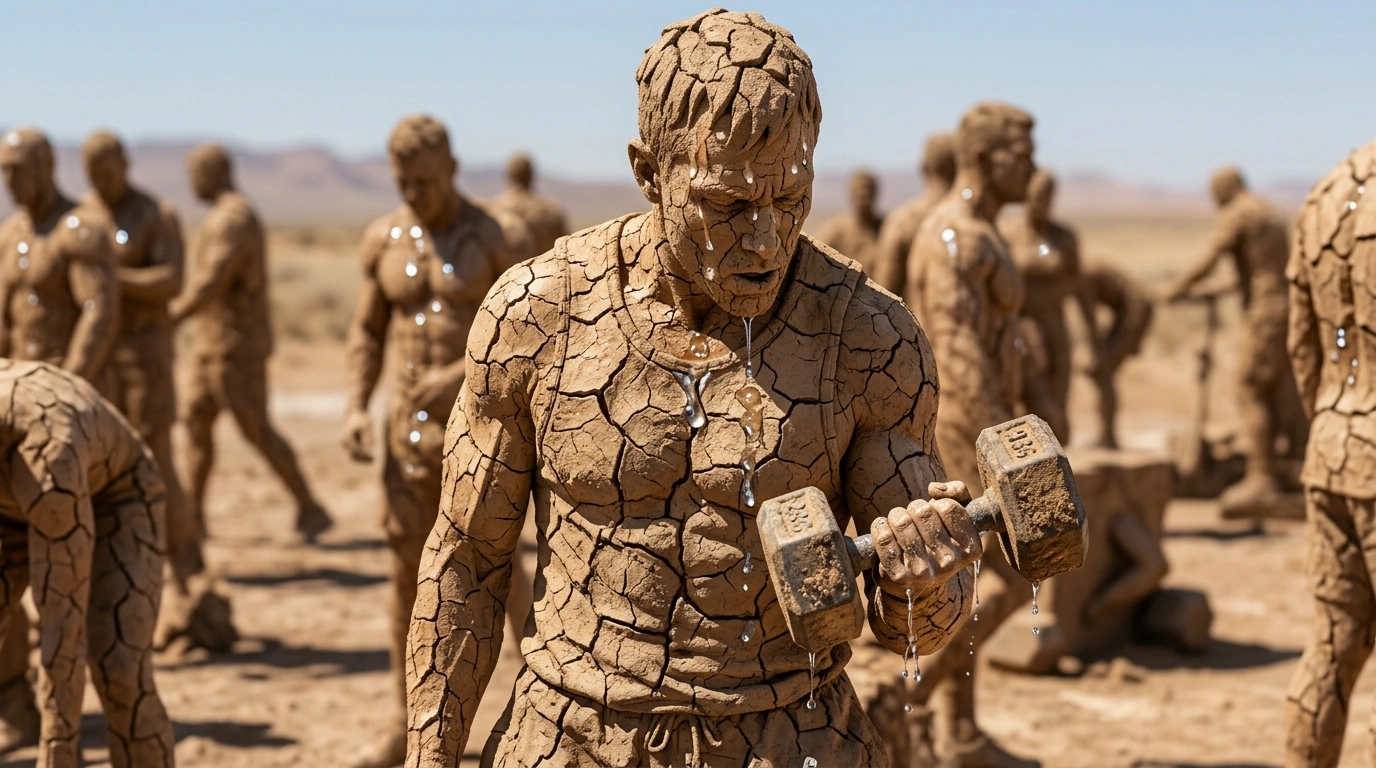
A metaphor for sweating is a figure of speech that compares sweating to another image or object to express effort, anxiety, heat, or pressure.
Instead of describing sweat directly, the metaphor creates a vivid mental picture.
Examples
- He was a melting candle under the summer sun.
- She became a leaking faucet during the interview.
- His forehead was a raincloud before the exam.
These expressions are figurative rather than literal.
What Does Sweating Symbolize?
Sweating can represent many ideas beyond a physical reaction.
It often symbolizes:
- Hard work
- Nervousness
- Fear
- Stress
- Heat
- Determination
- Pressure
- Physical effort
The meaning depends on the situation.
Best Metaphors for Sweating
| Metaphor | Meaning | Example |
|---|---|---|
| Melting candle | Overheated or exhausted | After the hike, he was a melting candle. |
| Leaking faucet | Sweating heavily | She became a leaking faucet before her speech. |
| Raincloud | Sweat covering the face | His forehead was a raincloud. |
| Waterfall | Sweat flowing freely | Sweat turned him into a waterfall. |
| Steam engine | Working hard under pressure | He was a steam engine during practice. |
| Boiling kettle | Extreme stress or heat | She was a boiling kettle before the interview. |
| Damp sponge | Completely soaked with sweat | After the game, he was a damp sponge. |
| River of sweat | Heavy perspiration | A river of sweat ran down his face. |
| Summer storm | Intense sweating from heat | He was a summer storm in the crowded room. |
| Fountain | Sweat pouring continuously | During the race, he became a fountain. |
Each metaphor highlights a different reason for sweating, such as heat, effort, or anxiety.
Metaphor for Sweating vs Simile
Metaphors and similes both compare ideas, but they do it differently.
| Feature | Metaphor | Simile |
| Direct comparison | ✅ Yes | ❌ No |
| Uses “like” or “as” | ❌ No | ✅ Yes |
| Example | He was a melting candle. | He was like a melting candle. |
| Effect | More vivid | More direct |
A metaphor says something is another thing. A simile compares using like or as.
Real-Life Examples
Conversation 1
Person A: How was the job interview?
Person B: I was a leaking faucet.
Lesson: The metaphor shows nervous sweating.
Conversation 2
Person A: Was the weather hot?
Person B: I was a melting candle all afternoon.
Lesson: It describes intense heat.
Conversation 3
Person A: How hard was the workout?
Person B: I became a waterfall.
Lesson: The metaphor emphasizes heavy sweating.
Conversation 4
Person A: Why did he look so nervous?
Person B: His forehead was a raincloud.
Lesson: It paints a picture of visible sweat.
Conversation 5
Person A: Was the competition difficult?
Person B: I was a steam engine from start to finish.
Lesson: It suggests sustained effort and pressure.
Conversation 6
Person A: How did she feel before speaking?
Person B: She was a boiling kettle.
Lesson: The metaphor combines stress and heat.
Conversation 7
Person A: How tired were you after the match?
Person B: I was a damp sponge.
Lesson: It describes being soaked with sweat.
When Should You Use a Metaphor for Sweating?
Sweating metaphors make descriptions more engaging and expressive.
Use them in:
- Stories
- Novels
- Essays
- Speeches
- Blog posts
- Sports writing
- Character descriptions
- School assignments
- Creative writing
- Everyday conversations
Pick a metaphor that matches the reason for the sweating.
Common Mistakes
Incorrect
He literally became a waterfall.
Correct
He became a waterfall of sweat.
Explanation: The comparison is figurative.
Incorrect
She was a broken faucet.
Correct
She was a leaking faucet.
Explanation: The standard image focuses on continuous dripping.
Incorrect
He became a wet cloud.
Correct
His forehead was a raincloud.
Explanation: The second metaphor creates a clearer picture.
Incorrect
I turned into a sponge.
Correct
I was a damp sponge after the race.
Explanation: The metaphor emphasizes being soaked.
Incorrect
She became boiling water.
Correct
She was a boiling kettle.
Explanation: A boiling kettle is a familiar metaphor for pressure.
Incorrect
He was sweating because he was a river.
Correct
A river of sweat ran down his face.
Explanation: Keep the image natural.
Incorrect
He was an engine.
Correct
He was a steam engine.
Explanation: The complete metaphor better conveys hard work and heat.
Quick Memory Trick
Think of this phrase:
Pressure creates sweat, and sweat creates vivid images.
Remember these easy metaphors:
- Melting candle = overheated
- Leaking faucet = nervous sweating
- Waterfall = heavy sweat
- Steam engine = hard work
- Boiling kettle = stress
Picture each image to remember its meaning.
Practice Quiz
1. Which metaphor describes heavy sweating?
A. Waterfall
B. Snowflake
C. Feather
D. Rainbow
Answer: A
2. Which metaphor best describes nervous sweating?
A. Leaking faucet
B. Tall tree
C. Quiet lake
D. Bright star
Answer: A
3. Which metaphor suggests working very hard?
A. Steam engine
B. Paper airplane
C. Soft pillow
D. Empty basket
Answer: A
4. Which metaphor represents extreme heat?
A. Melting candle
B. Ice cube
C. Cold wind
D. Blue ocean
Answer: A
5. Why do writers use sweating metaphors?
A. To create vivid descriptions
B. To avoid grammar
C. To confuse readers
D. To make paragraphs longer
Answer: A