

What Is a Metaphor for Nerves?
A metaphor compares one thing to another without using words such as “like” or “as.” It helps explain emotions through familiar images.
When describing nerves, metaphors often represent anxiety, excitement, uncertainty, anticipation, or emotional tension.
For example:
- My nerves became a stormy sea before the interview.
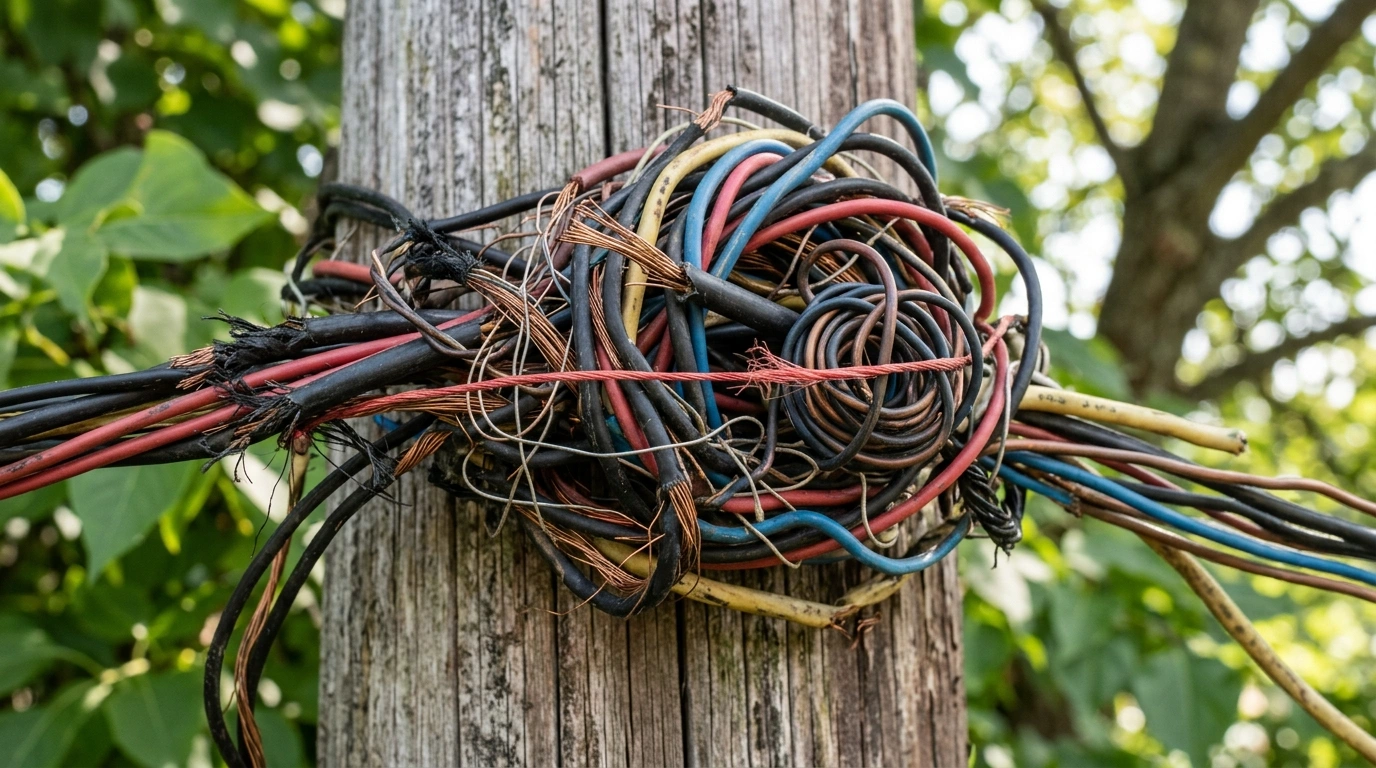
- Her thoughts were a tangled ball of yarn.
- His stomach became a nest of butterflies.
These comparisons help readers understand emotional experiences more clearly.
Why Use Metaphors for Nerves?
Metaphors make emotional writing stronger and easier to understand.
Express Feelings Clearly
They help describe emotions that are difficult to explain.
Improve Creative Writing
Stories, speeches, and essays become more engaging.
Build Emotional Connection
Readers can relate to familiar images and experiences.
Make Writing More Memorable
Strong metaphors leave a lasting impression.
50 Best Metaphors for Nerves
Nature Metaphors
- Stormy sea
- Dark cloud
- Earthquake
- Tornado
- Thunderstorm
- Shaking leaves
- Strong wind
- Wildfire
- Rough waves
- Quicksand
Body and Feeling Metaphors
- Butterflies in the stomach
- Racing engine
- Beating drum
- Tight knot
- Shaking branch
- Jumping heartbeat
- Burning fire
- Buzzing beehive
- Tight rope
- Heavy backpack
Journey Metaphors
- Walking on thin ice
- Crossing a bridge
- Standing at a crossroads
- Climbing a steep hill
- Twisting road
- Rocky path
- Long tunnel
- Steep staircase
- Narrow path
- Balancing on a ledge
Everyday Object Metaphors
- Tangled ball of string
- Pressure cooker
- Balloon ready to pop
- Coiled spring
- Ticking clock
- Loose wire
- Shaking tower
- Glass bridge
- Spinning wheel
- Flickering candle
Light and Emotion Metaphors
- Flickering flame
- Flash of lightning
- Shadow
- Dim light
- Roller coaster
- Open wound
- Loud alarm
- Cracked mirror
- Whistling kettle
- Drumroll
Comparison Table
| Metaphor | Meaning | Best Used For |
|---|---|---|
| Butterflies in the Stomach | Nervous excitement | Daily conversations |
| Stormy Sea | Strong anxiety | Essays and stories |
| Tangled Ball of String | Confused thoughts | Creative writing |
| Pressure Cooker | Emotional pressure | Workplace writing |
| Balloon Ready to Pop | Extreme stress | Personal experiences |
| Coiled Spring | Built-up tension | Speeches |
| Walking on Thin Ice | Fear of making mistakes | School or work |
| Racing Engine | High excitement | Sports and competitions |
| Tight Knot | Worry and tension | Personal reflection |
| Roller Coaster | Emotional ups and downs | Storytelling |
Each metaphor highlights a different side of nervousness. Some focus on fear and tension, while others describe excitement or anticipation.
Examples in Sentences
- My nerves became a stormy sea before the presentation.
- Her thoughts were a tangled ball of string before the exam.
- His stomach was full of butterflies during the interview.
- Waiting for the results felt walking on thin ice.
- My heart became a beating drum as my name was called.
- The pressure of the competition was a balloon ready to pop.
- Her emotions were a roller coaster before the performance.
- Every question tightened the knot in his stomach.
- My confidence flickered a candle in the wind.
- The countdown sounded a ticking clock inside my head.
How to Choose the Right Metaphor
Match the Emotion
Choose a metaphor that reflects whether the nerves come from fear, excitement, or uncertainty.
Think About Your Audience
Simple metaphors are easier for readers to understand.
Keep It Consistent
Stick with one main image instead of mixing several metaphors.
Use Everyday Comparisons
Familiar objects and experiences make stronger metaphors.
Common Mistakes to Avoid
| Incorrect | Correct | Explanation |
|---|---|---|
| My nerves were a storm climbing a mountain. | My nerves were a stormy sea. | Avoid mixing metaphors. |
| Use five metaphors in one sentence. | Use one clear metaphor. | Keeps writing easy to read. |
| Choose confusing comparisons. | Use familiar imagery. | Readers understand them quickly. |
| Ignore the emotion. | Match the metaphor to the feeling. | Creates stronger impact. |
| Repeat the same metaphor everywhere. | Use different comparisons naturally. | Improves variety. |
| Use unrealistic images. | Choose relatable examples. | Makes writing more believable. |
| Make every sentence dramatic. | Balance descriptive and simple language. | Improves readability. |
Quick Tips for Writing Better Metaphors
- Focus on the emotion first.
- Choose familiar images.
- Keep comparisons short and clear.
- Match the metaphor to the situation.
- Avoid mixing different images.
- Read your writing aloud.
- Use vivid but simple language.
Practice Quiz
Question 1
Which metaphor best represents nervous excitement?
A. Mountain Peak
B. Butterflies in the Stomach
C. Treasure Chest
D. Oak Tree
Answer: B. Butterflies in the Stomach
Question 2
Which metaphor symbolizes emotional pressure?
A. Pressure Cooker
B. Rainbow
C. Blooming Flower
D. Calm River
Answer: A. Pressure Cooker
Question 3
Which metaphor best describes confused thoughts?
A. Tangled Ball of String
B. Golden Key
C. Sunrise
D. Bridge
Answer: A. Tangled Ball of String
Question 4
Which metaphor represents fear of making a mistake?
A. Walking on Thin Ice
B. Treasure Map
C. Open Window
D. Strong Roots
Answer: A. Walking on Thin Ice
Question 5
Which metaphor best describes strong anxiety?
A. Stormy Sea
B. Quiet Garden
C. Green Meadow
D. Bright Star
Answer: A. Stormy Sea