
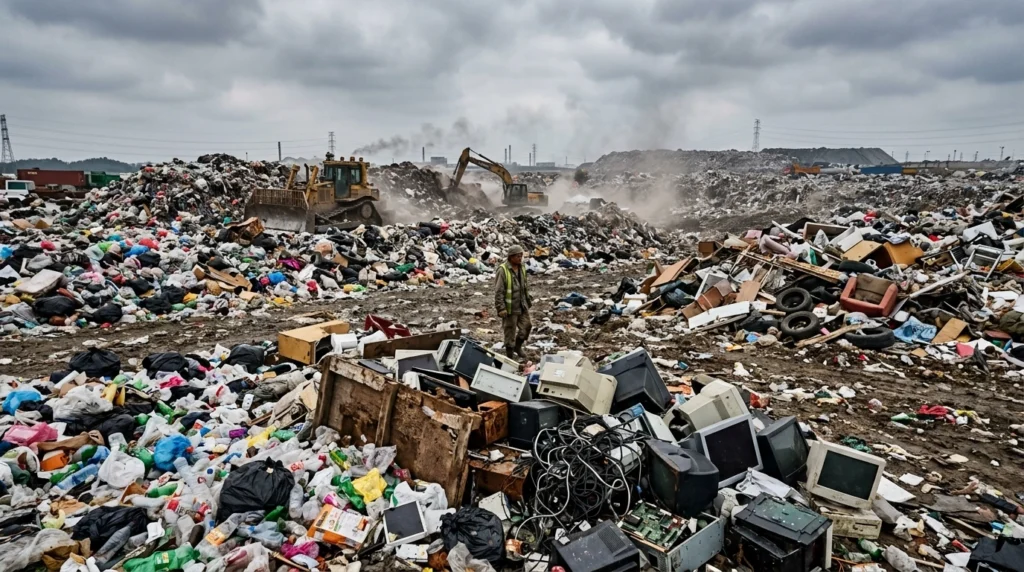
Best Metaphors for Waste
A Leaking Bucket
A leaking bucket loses water drop by drop.
This metaphor describes something slowly disappearing because of poor management or careless use.
Example:
“Poor planning turned our budget into a leaking bucket.”
Meaning:
Resources are being lost without good results.
A Broken Machine
A broken machine cannot perform its purpose properly.
This metaphor describes wasted effort, time, or resources that produce no useful outcome.
Example:
“Without clear goals, our teamwork became a broken machine.”
Meaning:
Energy is being used without effectiveness.
A Bottomless Pit
A bottomless pit has no clear end.
This metaphor describes situations where resources keep disappearing without improvement.
Example:
“The project became a bottomless pit for money.”
Meaning:
Something consumes resources endlessly.
Throwing Gold Into the River
Gold represents something valuable.
Throwing it away shows wasting something precious.
Example:
“Ignoring good opportunities is like throwing gold into the river.”
Meaning:
Valuable things are being wasted.
A Dusty Treasure Chest
A treasure chest contains valuable things, but dust suggests neglect.
This metaphor describes unused talents, skills, or opportunities.
Example:
“His creativity became a dusty treasure chest because he never used it.”
Meaning:
Something valuable is being ignored.
Metaphor for Waste Comparison Table
| Metaphor | What It Represents | Type of Waste | Example |
|---|---|---|---|
| A leaking bucket | Slow loss of value | Money, time, resources | “The company’s expenses became a leaking bucket.” |
| A bottomless pit | Endless consumption | Money, energy, effort | “The plan was a bottomless pit of wasted resources.” |
| A broken machine | Ineffective actions | Work, effort, systems | “The process became a broken machine.” |
| Throwing gold into the river | Losing something valuable | Opportunities, talent | “Ignoring education is throwing gold into the river.” |
| A dusty treasure chest | Unused value | Skills, abilities | “Her talent became a dusty treasure chest.” |
| A sinking ship | Failure caused by waste | Projects, businesses | “The careless plan was a sinking ship.” |
| A road leading nowhere | No useful progress | Time, effort | “The meeting became a road leading nowhere.” |
| A garden full of weeds | Poor use and neglect | Potential, resources | “His dreams became a garden full of weeds.” |
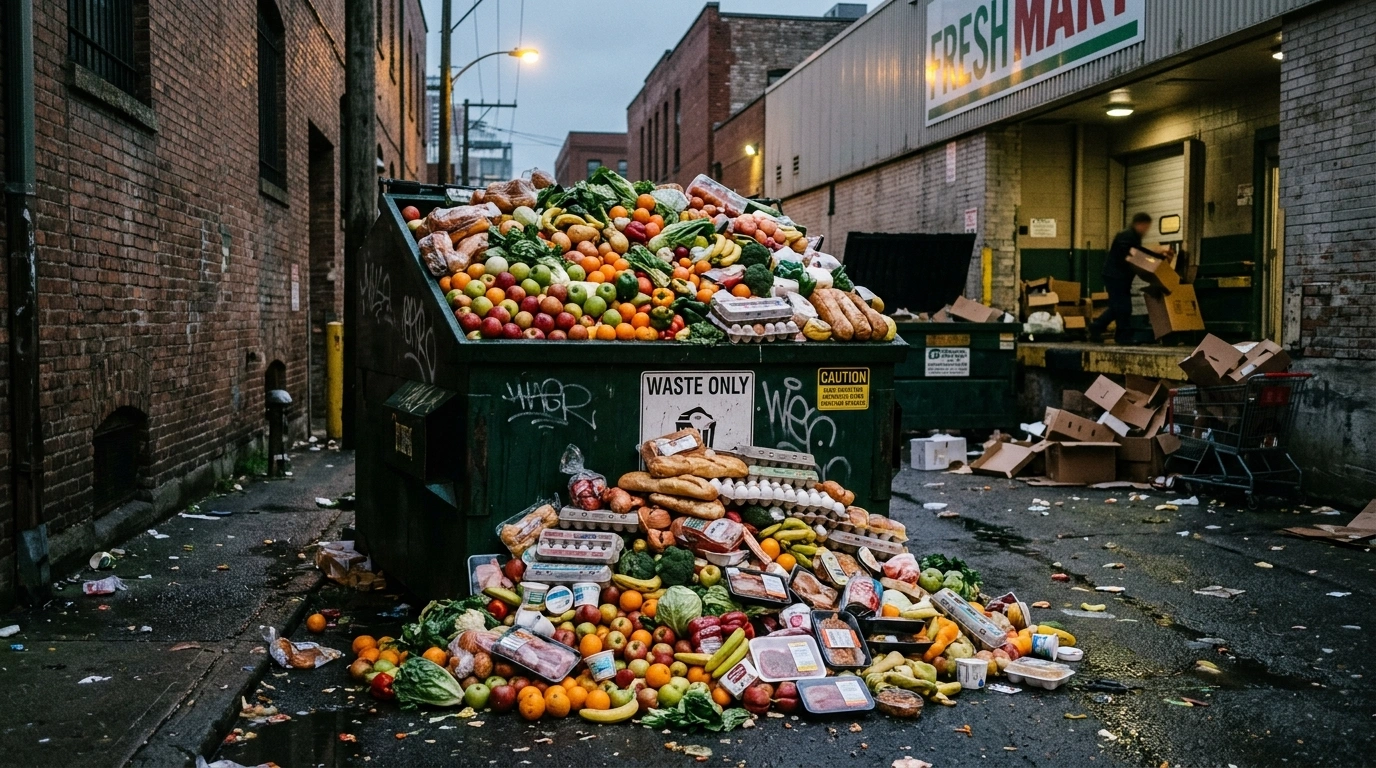
Metaphors for Wasted Time
A Clock With Broken Hands
A broken clock cannot show the correct time.
This metaphor represents time that is lost without progress.
Example:
“Scrolling endlessly online is a clock with broken hands.”
Sand Slipping Through Fingers
Sand disappears quickly when held loosely.
This metaphor shows time that cannot be recovered.
Example:
“Years passed like sand slipping through fingers.”
A Road With No Destination
A road without a destination wastes movement and effort.
Example:
“Working without a plan is a road with no destination.”
Metaphors for Wasted Money
Burning Money in a Fire
Fire destroys valuable things quickly.
This metaphor represents careless spending.
Example:
“Buying things you never use is like burning money in a fire.”
A Hole in the Wallet
A hole allows things to escape.
This metaphor describes money disappearing through unnecessary expenses.
Example:
“Daily unnecessary purchases became a hole in his wallet.”
Pouring Water Into Sand
Sand absorbs water without keeping it.
This metaphor describes spending resources without meaningful results.
Example:
“The investment felt like pouring water into sand.”
Metaphors for Wasted Potential
A Locked Treasure Box
A treasure box has value inside, but a lock prevents access.
This metaphor represents unused abilities.
Example:
“His talent is a locked treasure box waiting to be opened.”
A Seed Never Planted
A seed has the ability to grow but cannot if it is never planted.
Example:
“Unused skills are seeds never planted.”
A Sleeping Giant
A giant has great power but remains inactive.
Example:
“Her creativity is a sleeping giant.”
Creative Metaphors for Waste
A Garden Without Care
A neglected garden loses its beauty.
Meaning:
Unused opportunities and poor attention create waste.
A Ship Without a Sail
A ship cannot move properly without a sail.
Meaning:
Effort without direction becomes wasted effort.
An Empty Treasure Chest
A treasure chest with nothing inside represents lost value.
Meaning:
Resources have been wasted without benefit.
A Candle Burning in Daylight
A candle is useful in darkness but unnecessary in bright daylight.
Meaning:
Using something in the wrong situation creates waste.
How to Choose the Right Metaphor for Waste
Choose Based on What Is Being Wasted
Different waste situations need different metaphors.
For time:
- Broken clock
- Sand through fingers
- Road with no destination
For money:
- Burning money
- Hole in wallet
- Bottomless pit
For talent:
- Locked treasure box
- Sleeping giant
- Seed never planted
For resources:
- Leaking bucket
- Pouring water into sand
Common Mistakes When Using Waste Metaphors
Using Metaphors That Are Too General
A good metaphor should create a clear picture.
Weak:
“Waste is bad.”
Better:
“Waste is a leaking bucket.”
Forgetting the Context
A metaphor about money may not work when describing wasted talent.
Choose a comparison that matches the situation.
Making the Metaphor Too Negative
Some situations need a solution-focused approach.
Instead of only saying:
“The project is a sinking ship.”
You can say:
“The project is a sinking ship that needs a new direction.”
Short Metaphors for Waste
One-Line Examples
- Waste is a leaking bucket.
- Time is sand through fingers.
- Money is smoke in the wind.
- Potential is a locked treasure box.
- Effort without purpose is a road to nowhere.
- Resources are water in a cracked cup.
- Carelessness is a burning candle.
- Lost chances are fallen leaves.
- Poor planning is a broken compass.
- Waste is a hungry monster.