
What Is Inner Peace?
First, let us understand the term “inner peace.”
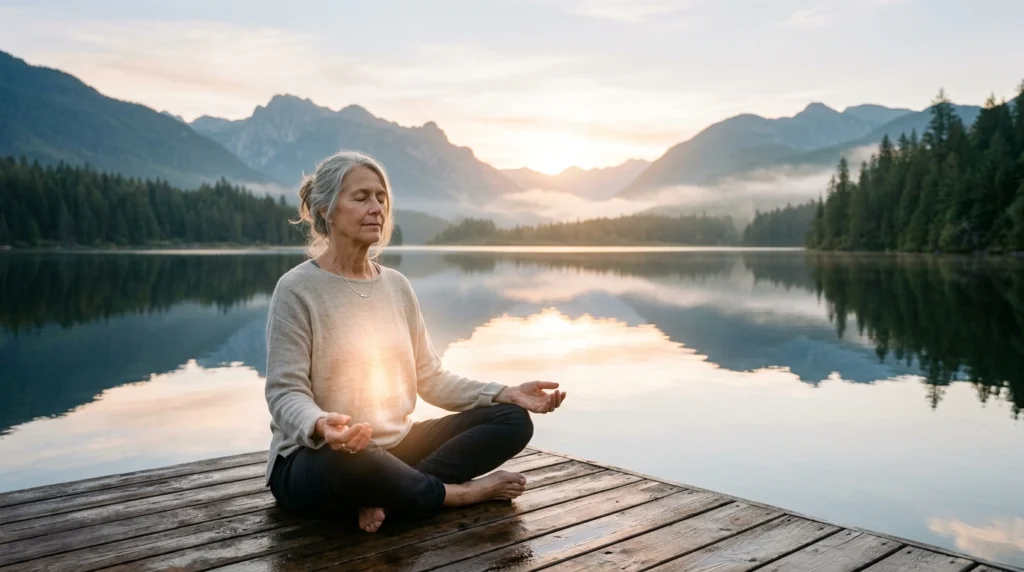
Inner peace is a state of mental and emotional calmness. It is when you are free from stress, anxiety, and worry. Your mind is quiet. Your heart is still. You feel balanced and centered.
Inner peace does not mean you have no problems. It means that you are at peace with yourself despite your problems. You accept things. You let go of things you cannot control. You focus on the present moment.
This is the experience we describe with metaphors.
Why Do We Need Metaphors for Inner Peace?
There are several important reasons to use metaphors for inner peace.
First, metaphors are descriptive. They create strong emotional images. Saying “I feel calm” is clear. But saying “my mind is a still lake” creates a much more powerful picture.
Second, metaphors are emotional. They show how the peace makes you feel. Are you calm? Are you free? Are you whole? The metaphor you choose can show all of these emotions.
Third, metaphors are beautiful. Inner peace is a beautiful state. Using beautiful, poetic metaphors helps express this beauty.
Fourth, metaphors make your English more natural. Native speakers use metaphors constantly. Learning them helps you sound fluent.
Finally, metaphors can be healing. When you describe your inner peace with a powerful metaphor, it can help you appreciate it more. It can help you focus on the calm.
The Most Common Metaphors for Inner Peace
Here are the most popular metaphors native speakers use. Each one has a slightly different meaning.
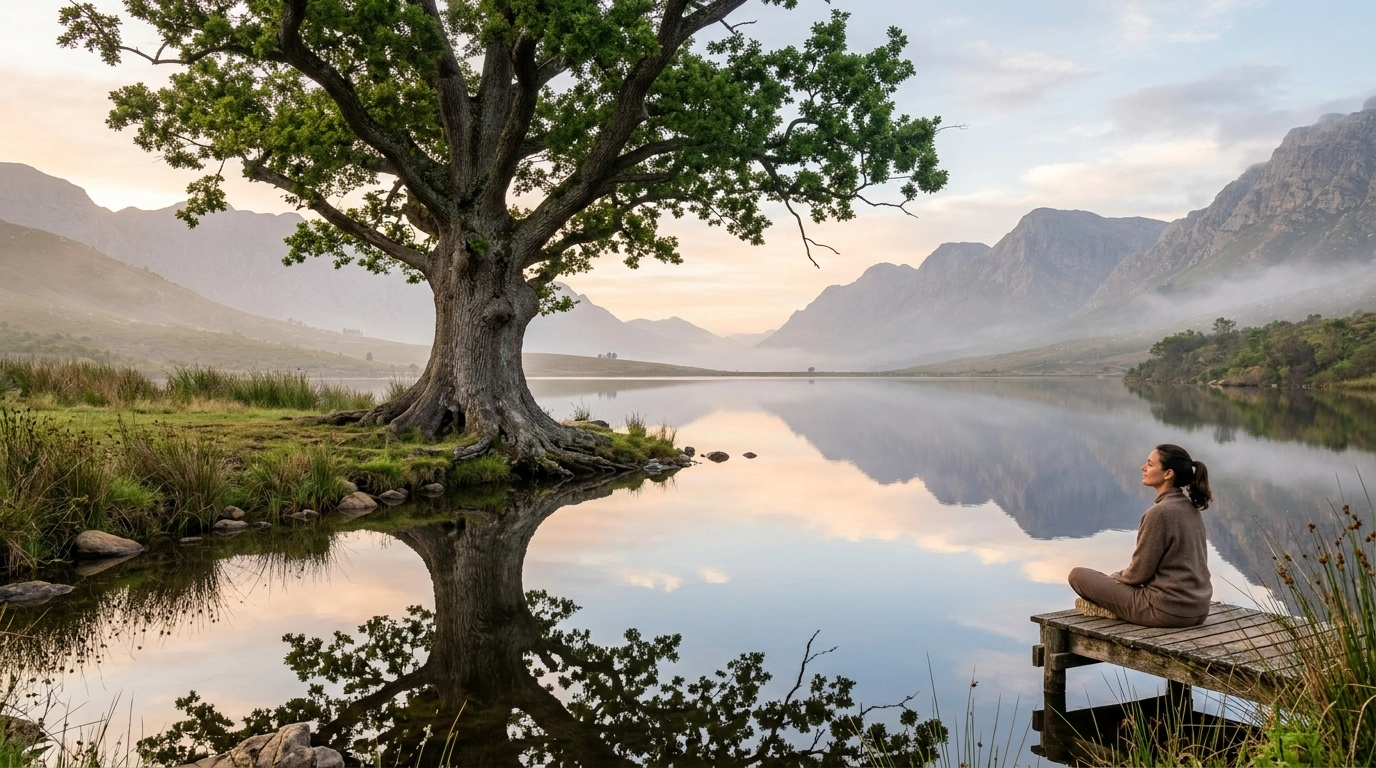
A Still Lake
This is one of the most common metaphors for a calm mind.
Meaning: A mind that is completely calm, clear, and undisturbed.
Example:
“After meditating, my mind became a still lake.”
When to use: Use this for complete mental calmness.
A Quiet Haven
This metaphor describes a place of safety and peace.
Meaning: A safe, peaceful place away from stress.
Example:
“My garden is a quiet haven of peace.”
When to use: Use this for places that bring you peace.
A Gentle Breeze
This metaphor describes a light, calming feeling.
Meaning: A feeling of calmness that is light and refreshing.
Example:
“Her presence is like a gentle breeze.”
When to use: Use this for people or experiences that calm you.
A Deep Ocean Calm
This metaphor describes profound peace.
Meaning: A deep, profound sense of calmness.
Example:
“Inside, I felt a deep ocean calm.”
When to use: Use this for deep, profound peace.
A Blanket of Quiet
This metaphor describes peace covering you.
Meaning: A warm, comforting feeling of quietness.
Example:
“The early morning was a blanket of quiet.”
When to use: Use this for peaceful moments.
A Soft Whisper
This metaphor describes a gentle, quiet peace.
Meaning: A gentle, quiet, and soothing presence.
Example:
“Her voice was like a soft whisper of peace.”
When to use: Use this for gentle, soothing peace.
A Peaceful Sunrise
This metaphor describes a fresh, new calm.
Meaning: A new beginning filled with calmness.
Example:
“Waking up early brings a peaceful sunrise to my soul.”
When to use: Use this for new beginnings and fresh calm.
A Calm After the Storm
This metaphor describes peace after difficulty.
Meaning: Peace that comes after a period of stress or trouble.
Example:
“After the chaos, I finally found the calm after the storm.”
When to use: Use this for peace that follows struggle.
A Gentle Stream
This metaphor describes peaceful, steady calm.
Meaning: A peaceful, steady flow of calmness.
Example:
“Her thoughts flowed like a gentle stream.”
When to use: Use this for steady, peaceful thoughts.
A Tranquil Garden
This metaphor describes a place of inner peace.
Meaning: A place inside yourself that is peaceful and beautiful.
Example:
“I retreat to my tranquil garden when I feel stressed.”
When to use: Use this for your inner sanctuary.
A Candle in the Wind
This metaphor describes a steady peace despite difficulties.
Meaning: A calmness that remains steady despite external chaos.
Example:
“Her peace was like a candle in the wind.”
When to use: Use this for someone who remains calm in chaos.
A Soft Cloud
This metaphor describes light, floating peace.
Meaning: A feeling of peace that is light and soft.
Example:
“Meditation makes me feel like a soft cloud.”
When to use: Use this for light, airy calmness.
A Silent Night
This metaphor describes complete quiet and peace.
Meaning: A time of complete quietness and peace.
Example:
“My mind was like a silent night.”
When to use: Use this for complete mental quietness.
A Sacred Space
This metaphor describes a holy, peaceful place.
Meaning: A place that is holy and peaceful.
Example:
“The temple is my sacred space of peace.”
When to use: Use this for places of spiritual peace.
A Morning Dawn
This metaphor describes fresh, new peace.
Meaning: A new beginning full of hope and peace.
Example:
“The first light of day brought a morning dawn to my heart.”
When to use: Use this for new hope and peace.
A Smooth Stone
This metaphor describes something worn smooth and peaceful.
Meaning: Something that has been smoothed by time and is peaceful.
Example:
“His soul was like a smooth stone.”
When to use: Use this for someone who has found peace over time.
A Gentle Rain
This metaphor describes refreshing, cleansing peace.
Meaning: A peace that refreshes and cleanses the soul.
Example:
“The sound of rain was a gentle rain of peace.”
When to use: Use this for refreshing, cleansing calm.
A Warm Embrace
This metaphor describes a comforting peace.
Meaning: A comforting, loving feeling of peace.
Example:
“My home is a warm embrace of peace.”
When to use: Use this for comforting, loving peace.
A Feather in the Air
This metaphor describes light, floating peace.
Meaning: A feeling of being light and free.
Example:
“After yoga, I felt like a feather in the air.”
When to use: Use this for light, free calmness.
A Peaceful Meadow
This metaphor describes a wide, open peace.
Meaning: An open, expansive feeling of peace.
Example:
“My heart is a peaceful meadow.”
When to use: Use this for expansive, wide peace.
A Still Night
This metaphor describes deep, quiet peace.
Meaning: A deep, quiet, and undisturbed peace.
Example:
“The midnight hours brought a still night to my soul.”
When to use: Use this for deep, quiet peace.
A Healing Balm
This metaphor describes a soothing, healing peace.
Meaning: A peace that soothes and heals pain.
Example:
“Her words were like a healing balm to my heart.”
When to use: Use this for peace that heals emotional wounds.
Complete Comparison Table of Metaphors for Inner Peace
| Metaphor | Meaning | Example Sentence |
|---|---|---|
| A Still Lake | A completely calm, clear mind | My mind became a still lake. |
| A Quiet Haven | A safe, peaceful place away from stress | My garden is a quiet haven. |
| A Gentle Breeze | A light, calming feeling | Her presence is like a gentle breeze. |
| A Deep Ocean Calm | A profound sense of calmness | I felt a deep ocean calm. |
| A Blanket of Quiet | A warm, comforting feeling of quietness | The morning was a blanket of quiet. |
| A Soft Whisper | A gentle, quiet peace | Her voice was a soft whisper of peace. |
| A Peaceful Sunrise | A fresh, new calm | Waking up brings a peaceful sunrise. |
| A Calm After the Storm | Peace after difficulty | I found the calm after the storm. |
| A Gentle Stream | Peaceful, steady calm | Her thoughts flowed like a gentle stream. |
| A Tranquil Garden | A place of inner peace | I retreat to my tranquil garden. |
| A Candle in the Wind | Steady peace despite chaos | Her peace was like a candle in the wind. |
| A Soft Cloud | Light, floating peace | Meditation makes me feel like a soft cloud. |
| A Silent Night | Complete quiet and peace | My mind was like a silent night. |
| A Sacred Space | A holy, peaceful place | The temple is my sacred space. |
| A Morning Dawn | Fresh, new peace | The dawn brought peace to my heart. |
| A Smooth Stone | Worn smooth and peaceful | His soul was like a smooth stone. |
| A Gentle Rain | Refreshing, cleansing peace | The sound of rain brought gentle peace. |
| A Warm Embrace | A comforting, loving peace | My home is a warm embrace. |
| A Feather in the Air | Light, free calmness | I felt like a feather in the air. |
| A Peaceful Meadow | Wide, open peace | My heart is a peaceful meadow. |
| A Still Night | Deep, quiet peace | The midnight hours brought a still night. |
| A Healing Balm | A soothing, healing peace | Her words were like a healing balm. |
Real-Life Examples (7 Conversations)
Let us see these metaphors in action. These are realistic conversations.
Example 1: After Meditation
Person A: “How was your meditation practice today?”
Person B: “It was wonderful. My mind became a still lake.”
Person A: “That sounds so peaceful.”
Person B: “I felt like a feather in the air.”
Lesson: Meditation brings deep inner peace.
Example 2: Finding Peace in Nature
Person A: “Why do you love coming to the park?”
Person B: “It is my quiet haven. I feel so calm here.”
Person A: “I can see why. It is so beautiful.”
Person B: “The trees are like a warm embrace of peace.”
Lesson: Nature can be a source of inner peace.
Example 3: Overcoming Stress
Person A: “You seem so calm after everything that happened.”
Person B: “I found the calm after the storm.”
Person A: “How did you do it?”
Person B: “I focused on my breathing. I found my tranquil garden inside.”
Lesson: Peace can follow even the most difficult times.
Example 4: A Peaceful Home
Person A: “I love your home. It is so relaxing.”
Person B: “Thank you. I wanted it to feel like a quiet haven.”
Person A: “It really does.”
Person B: “It is a warm embrace of peace for me.”
Lesson: Our homes can be places of peace.
Example 5: A Peaceful Presence
Person A: “I love being around your grandmother.”
Person B: “I know. Her presence is like a gentle breeze.”
Person A: “She calms me down.”
Person B: “Her words are like a healing balm to everyone.”
Lesson: Some people radiate peace.
Example 6: A Restful Night
Person A: “How did you sleep?”
Person B: “Amazingly. It was like a still night.”
Person A: “You seem so rested.”
Person B: “I finally found deep ocean calm.”
Lesson: A good night’s sleep brings peace.
Example 7: Simple Joys
Person A: “What brings you peace?”
Person B: “Simple things. A cup of tea. A peaceful sunrise.”
Person A: “That sounds beautiful.”
Person B: “Those moments are like a blanket of quiet.”
Lesson: Simple pleasures bring inner peace.
When Should You Use These Metaphor for Inner Peace?
You can use these metaphors in many situations.
In Meditation and Yoga
When you are talking about meditation or yoga, these metaphors help describe the experience.
Example:
“After the class, my mind was a still lake.”
When Describing Relaxation
When you are describing a relaxing experience, these metaphors help you express it vividly.
Example:
“The spa was a quiet haven of peace.”
In Writing
These metaphors make your writing more powerful and poetic.
Example:
“She found her tranquil garden inside herself.”
When Comforting Someone
When you are comforting someone about stress, these metaphors help them find calm.
Example:
“Find your quiet haven inside. The calm after the storm will come.”
In Everyday Conversation
You can use any of these metaphors in daily life. They make your English more colorful.
Example:
“This morning was a peaceful sunrise. I feel so calm.”
Common Mistakes to Avoid
Now let us look at some common errors.
Mistake 1: Using the Wrong Intensity
Incorrect:
“I had a small break. It was a still lake.”
Correct:
“I had a small break. It was relaxing.”
Explanation: Use strong metaphors for deep peace only.
Mistake 2: Taking Metaphors Literally
Incorrect:
“Is there really a lake?”
Correct:
“No, it is just a metaphor.”
Explanation: Remember, these are figures of speech.
Mistake 3: Overusing Metaphors
Incorrect:
“It is a still lake, a quiet haven, and a gentle breeze all at once.”
Correct:
“It is a still lake.”
Explanation: One powerful metaphor is better than many.
Mistake 4: Using Metaphors Casually
Incorrect:
“My coffee break was a calm after the storm.”
Correct:
“My coffee break was peaceful.”
Explanation: Save these metaphors for meaningful moments of peace.
Mistake 5: Being Insincere
Incorrect:
“The noisy city is a quiet haven.” (Sarcastic)
Correct:
“The quiet park is a quiet haven.”
Explanation: Use these metaphors sincerely. Sarcasm can confuse people.
Quick Memory Trick
Think of a lake. A still lake is calm and clear. A calm mind is like a still lake.
Now think of a haven. A haven is a safe place. A peaceful place is like a quiet haven.
Now think of a breeze. A breeze is light and refreshing. A calming presence is like a gentle breeze.
Finally, think of a storm. After a storm, everything is quiet. Peace after difficulty is like the calm after the storm.
Use these images to remember the metaphors.
Practice Quiz (Interactive Section)
Test your knowledge. Choose the correct metaphor for each sentence.
Question 1:
“After meditating, my mind was _____. It was so quiet.”
A) A still lake
B) A gentle breeze
C) A dying flame
Answer: A) A still lake.
Question 2:
“After the chaos, I finally found peace. It was _____.”
A) A quiet haven
B) The calm after the storm
C) A sacred space
Answer: B) The calm after the storm.
Question 3:
“Her presence calms me down. She is like _____.”
A) A gentle breeze
B) A still lake
C) A warm embrace
Answer: A) A gentle breeze.
Question 4:
“My garden is so peaceful. It is _____.”
A) A quiet haven
B) A peaceful meadow
C) A sacred space
Answer: A) A quiet haven.
Question 5:
“I love the peace of early morning. It is _____.”
A) A peaceful sunrise
B) A gentle stream
C) A healing balm
Answer: A) A peaceful sunrise.