

What Is a Child in Figurative Language?
In grammar and English writing, a child is often described using figurative language.
A child is not just a young person. In metaphors, a child can represent:
- Innocence
- Growth
- Curiosity
- Energy
- Potential
Writers use comparisons to make emotions stronger and clearer.
Best Metaphors for Child
Here are simple and powerful metaphors:
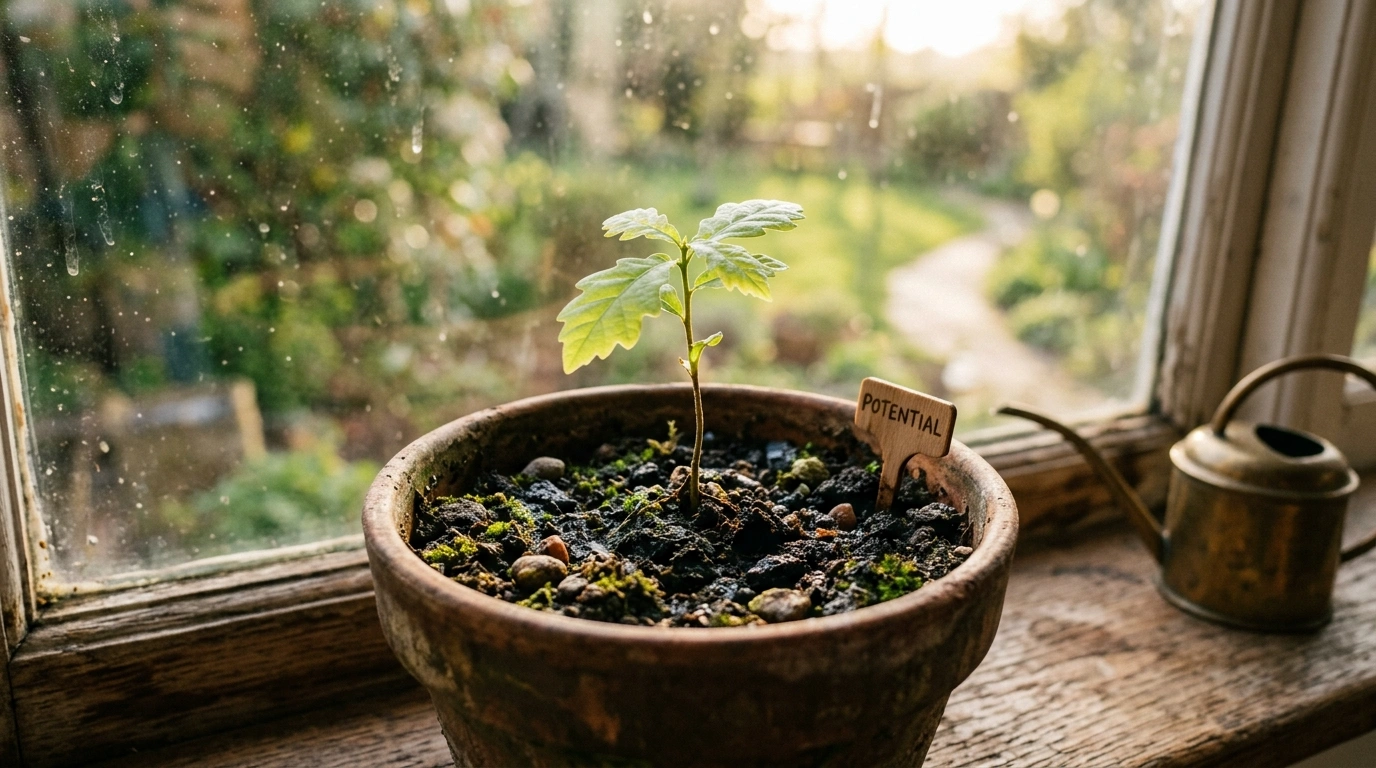
- A seed in a garden
A child grows slowly into something strong and beautiful. - A blank page
A child has a future full of possibilities. - A small flame
A child has energy and life waiting to grow. - A sponge
A child absorbs knowledge quickly. - A budding flower
A child develops step by step into maturity. - A rising sun
A child brings hope and new beginnings.
These metaphors help readers feel what a child represents.
Why Writers Use Metaphors for Child
Metaphors make writing more emotional and expressive.
They help readers imagine ideas instead of just reading facts.
In English grammar and literature, metaphors improve storytelling.
They also make communication more natural and creative.
This is especially helpful in writing skills and ESL learning.
Real-Life Example Sentences
- Person A: How do you see your little brother?
Person B: He is a seed growing every day.
Lesson: Children grow with time and care. - Person A: Why do teachers love kids?
Person B: Because each child is a blank page.
Lesson: Children have endless potential. - Person A: What makes her special?
Person B: She is like a small flame full of energy.
Lesson: Children are full of life. - Person A: Why is learning so fast?
Person B: A child is like a sponge.
Lesson: Children learn quickly. - Person A: What do you see in him?
Person B: A rising sun of hope.
Lesson: Children bring positivity. - Person A: Why is she so curious?
Person B: She is a blooming flower.
Lesson: Children develop step by step. - Person A: What is childhood like?
Person B: It is a garden full of seeds.
Lesson: Childhood is full of growth.
When Should You Use Metaphors for Child?
- Creative writing
- Poetry and stories
- School essays
- English learning exercises
- Speaking practice
- Describing emotions
- Parenting blogs
- Literature analysis
H2 — Common Mistakes When Using Child Metaphors
- Using complex metaphors
Correct: “A child is a seed”
Explanation: Keep it simple - Mixing too many ideas
Correct: One clear metaphor per sentence
Explanation: Avoid confusion - Using negative comparisons
Correct: Positive imagery like “flower” or “sun”
Explanation: Children are usually described positively - Literal thinking
Correct: Understand symbolic meaning
Explanation: Metaphors are not real facts - Overusing metaphors
Correct: Use sparingly
Explanation: Keeps writing clear
Quick Memory Trick
Think like this:
Child = Growth
So remember:
- Seed → grows
- Flower → blooms
- Sun → rises
- Page → fills
A child is always becoming something new.
Practice Quiz (Interactive Section)
- What does “a child is a seed” mean?
A. Children are plants
B. Children grow over time
C. Children are small
Answer: B - Which is a metaphor for child?
A. A machine
B. A blank page
C. A rock
Answer: B - A sponge metaphor means:
A. Children are soft
B. Children absorb knowledge
C. Children are wet
Answer: B - “A rising sun” shows:
A. Darkness
B. Hope and new beginnings
C. Night time
Answer: B - Metaphors help us:
A. Confuse meaning
B. Imagine ideas clearly
C. Remove learning
Answer: B