
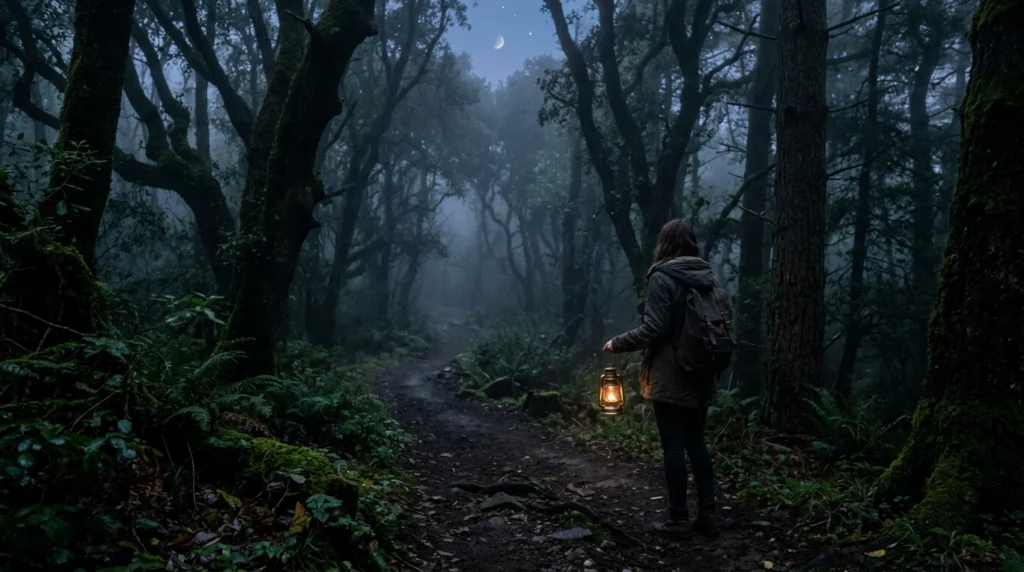
What Is a Metaphor for Mysterious?
Simple Definition
A metaphor for mysterious is a comparison that describes someone or something as secretive, difficult to understand, or full of hidden meaning.
The comparison is symbolic, not literal. It helps readers imagine mystery through a familiar image.
Example:
“His past was a locked book.”
This does not mean his past is an actual book. It means his history is hidden and difficult to discover.
Why Use Metaphors for Mystery?
They Create Curiosity
Mystery is often about what people cannot fully see or understand. Metaphors make that feeling easier to imagine.
Instead of saying:
“She was mysterious.”
You can write:
“She was a moon hidden behind clouds.”
The second sentence paints a stronger picture.
They Add Depth to Writing
Mystery can represent:
- hidden truths
- secrets
- uncertainty
- curiosity
- wisdom
- the unknown
Metaphors make these ideas more memorable.
Best Metaphors for Mysterious and Their Meanings
| Metaphor | Meaning |
|---|---|
| A locked door | Hidden secrets waiting to be discovered |
| A deep ocean | Endless mystery and unknown depth |
| A hidden maze | Confusing and difficult to understand |
| A moon behind clouds | Beauty concealed by mystery |
| A sealed treasure chest | Valuable secrets kept hidden |
| A shadow in the fog | Something unclear or unknown |
| An unread book | A person or story yet to be understood |
| A puzzle with missing pieces | An incomplete mystery |
Powerful Examples of Mysterious Metaphors
1. A Locked Door
Example:
“His heart was a locked door that no one could open.”
Meaning:
He kept his emotions and thoughts private.
2. A Deep Ocean
Example:
“Her mind was a deep ocean of untold stories.”
Meaning:
She had many hidden thoughts and emotions.
3. A Moon Behind Clouds
Example:
“She was a moon behind clouds, beautiful yet impossible to fully know.”
Meaning:
She was attractive but remained mysterious.
4. A Hidden Maze
Example:
“His motives were a hidden maze.”
Meaning:
His intentions were confusing and difficult to understand.
5. A Sealed Treasure Chest
Example:
“Her memories were a sealed treasure chest.”
Meaning:
She kept valuable experiences secret.
Positive Metaphors for Mysterious
A Star Beyond the Horizon
Meaning:
Someone who inspires curiosity and wonder.
Example:
“He was a star beyond the horizon, always drawing people closer.”
A Secret Garden
Meaning:
A beautiful inner world that few people know.
Example:
“Her heart was a secret garden full of quiet beauty.”
A Hidden Gem
Meaning:
Someone with unexpected value or talent.
Example:
“She remained a hidden gem waiting to be discovered.”
Dark and Mysterious Metaphors
A Shadow in the Night
Meaning:
Someone whose intentions are unknown.
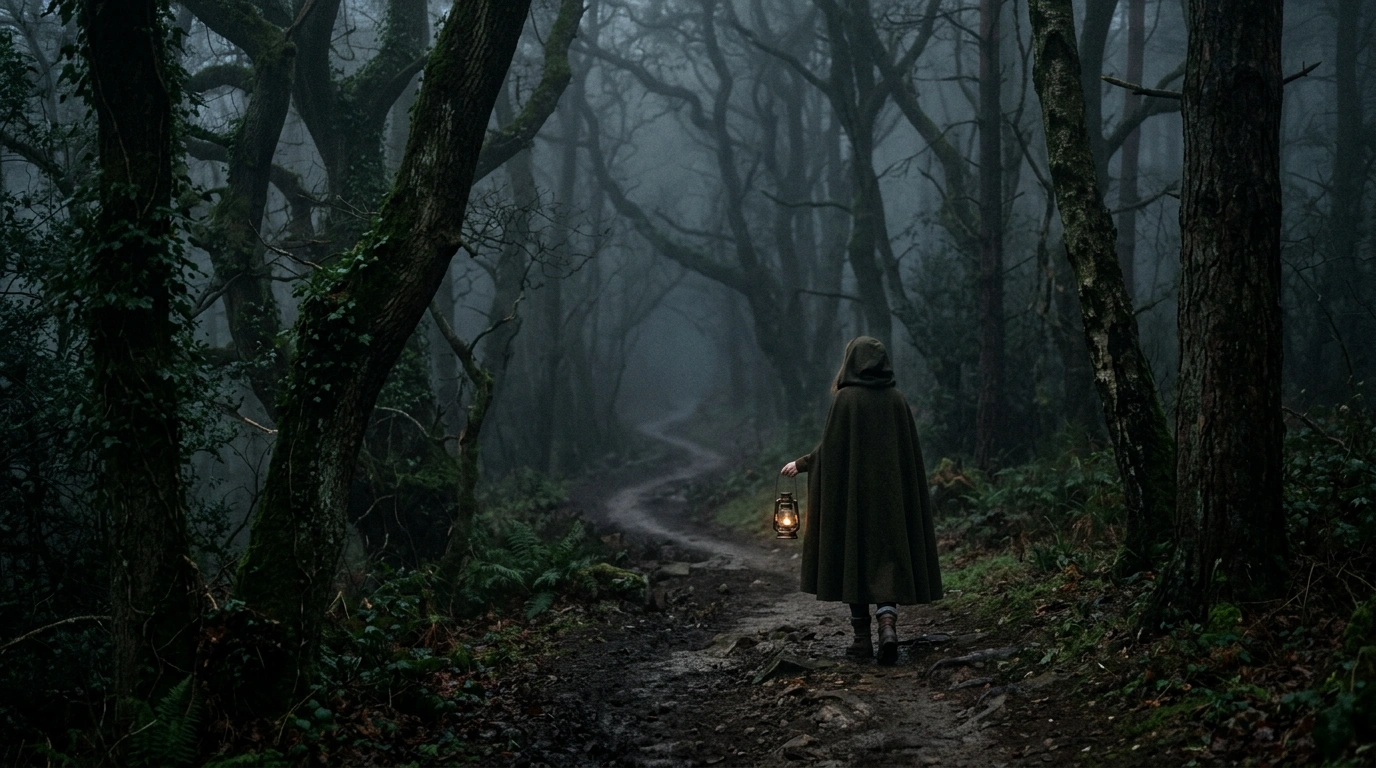
A Fog-Covered Path
Meaning:
An uncertain future or unclear situation.
An Unlit Cave
Meaning:
A place or person full of unanswered questions.
Mysterious Metaphor vs Literal Meaning
| Image | Literal Meaning | Metaphorical Meaning |
| Locked door | A closed entrance | Hidden secrets |
| Ocean | A large body of water | Great depth and mystery |
| Maze | A confusing path | Difficult to understand |
| Treasure chest | A storage box | Hidden value or knowledge |
| Fog | Thick mist | Uncertainty and mystery |
The literal meaning describes the object, while the metaphorical meaning expresses secrecy or the unknown.
Common Mistakes When Using Mysterious Metaphors
Mistake 1: Confusing Mystery With Fear
Mystery is not always frightening. It can also create wonder and curiosity.
Mistake 2: Mixing Too Many Images
Choose one strong metaphor instead of combining several unrelated comparisons.
Mistake 3: Ignoring the Context
A mysterious person, place, and event may need different metaphors to fit the situation.
How to Create Your Own Mysterious Metaphor
Follow these steps:
- Decide what makes the subject mysterious.
- Choose an image that represents secrecy or the unknown.
- Compare the subject to that image.
- Explain the shared quality.
Example:
Quality: Hidden emotions
Image: A closed window
Metaphor:
“His feelings were a closed window no one could see through.”
Meaning:
He rarely revealed his emotions.
Quick Memory Trick
Remember:
Mysterious = Hidden + Unknown + Curious
Think:
- Locked Door = Secret
- Ocean = Depth
- Maze = Confusion
- Fog = Uncertainty
These images make mysterious descriptions easy to remember.
Practice Quiz
1. What does a metaphor for mysterious describe?
A) Physical size
B) Hidden or unknown qualities
C) Speed
Answer: B
2. What does a locked door symbolize?
A) Hidden secrets
B) Happiness
C) Success
Answer: A
3. Why do writers use mysterious metaphors?
A) To create curiosity and vivid imagery
B) To remove meaning
C) To make writing confusing
Answer: A
4. What does a deep ocean often represent?
A) Mystery and depth
B) Loud noise
C) Bright colors
Answer: A
5. Can mystery have a positive meaning?
A) Yes
B) No
Answer: A