
What Is a Metaphor for the Sea?
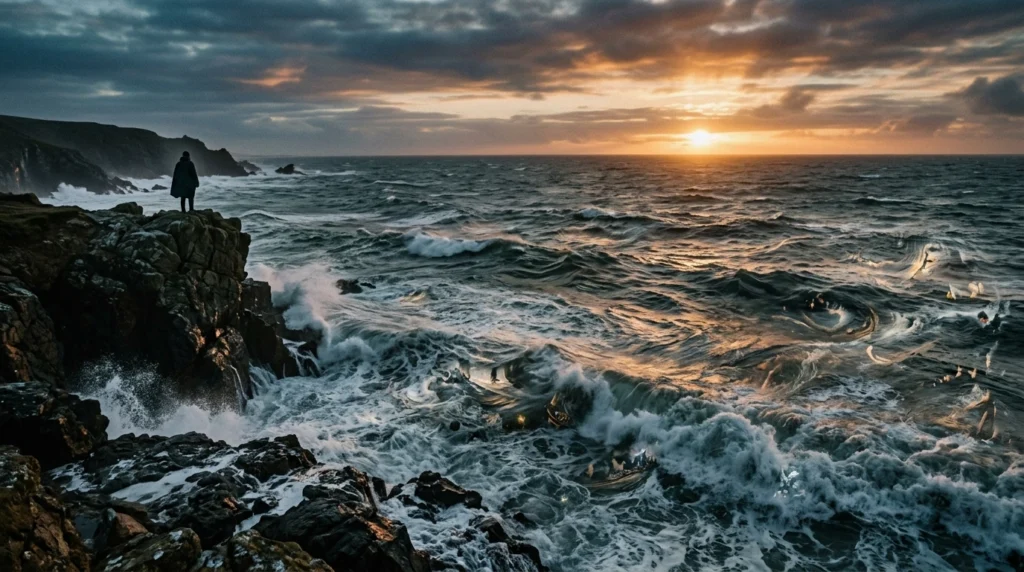
A metaphor for the sea is a creative comparison where the sea represents emotions, life, thoughts, or situations instead of just water.
It can show:
- Deep emotions
- Life challenges
- Peace and calmness
- Chaos and confusion
- Endless possibilities
For example:
- “Life is a vast sea.”
- “Her thoughts were a stormy sea.”
These images help readers feel meaning, not just read words.
Why Do Writers Use Sea Metaphors?
Writers use sea metaphors because they:
- Show deep emotions clearly
- Make writing more visual and powerful
- Represent life journeys
- Express calmness or chaos
- Improve storytelling and poetry
- Help readers imagine vast ideas
The sea is large and symbolic, so it fits many meanings.
Comparison Table A Metaphor for the Sea
| Metaphor | Meaning | Emotion Type | Example |
|---|---|---|---|
| Calm sea mind | Peaceful thoughts | Calm | Her mind was a calm sea |
| Stormy sea | Emotional chaos | Stress | His life was a stormy sea |
| Endless sea | Infinite possibilities | Hope | Life is an endless sea |
| Deep sea emotions | Strong feelings | Intensity | Her heart was deep sea emotions |
| Rising tide | Growing change | Progress | A rising tide of change |
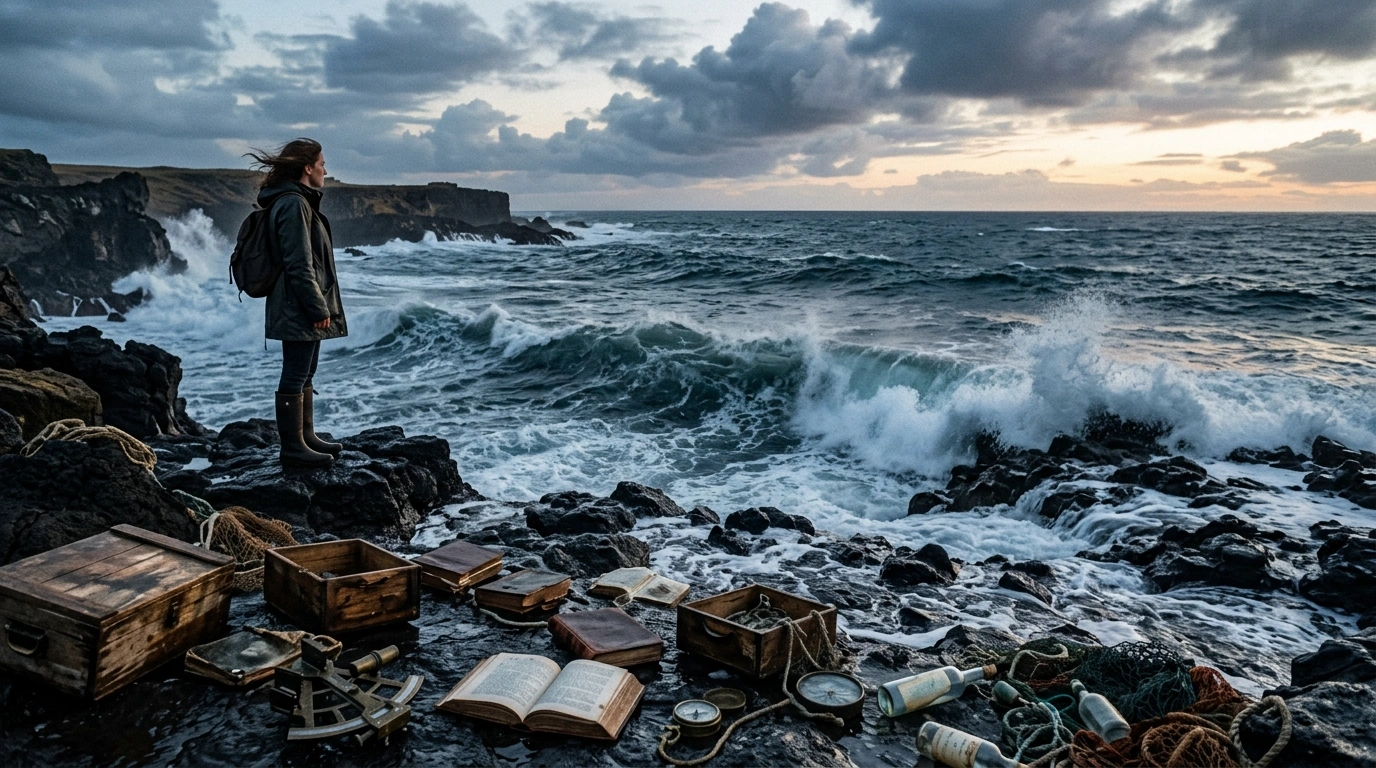
Powerful Metaphors for the Sea
Calm Sea Mind
Peaceful and relaxed thinking.
Her thoughts were a calm sea.
Stormy Sea
Emotional chaos or struggle.
His life became a stormy sea.
Endless Sea
Infinite possibilities or life journey.
Life is an endless sea.
Deep Sea Emotions
Very strong and hidden feelings.
Her heart was deep sea emotions.
Rising Tide
Growing change or progress.
A rising tide of hope filled the room.
Rough Waves of Life
Difficult life experiences.
He faced rough waves of life.
Silent Sea
Deep quietness or emotional stillness.
The night was a silent sea.
Ocean of Thoughts
Many ideas or confusion.
His mind was an ocean of thoughts.
Drowning in Sea of Problems
Overwhelmed by difficulties.
She was drowning in a sea of problems.
Floating Dreams
Hope moving gently forward.
His dreams were floating on the sea.
Dark Sea of Fear
Deep fear or anxiety.
She lived in a dark sea of fear.
Gentle Waves of Memory
Soft, emotional remembrance.
He was carried by gentle waves of memory.
Sea of Silence
Complete quietness.
The room became a sea of silence.
Roaring Ocean Heart
Strong emotional intensity.
His heart was a roaring ocean.
Lost at Sea
Confused or directionless in life.
She felt lost at sea.
Crystal Sea
Clear and peaceful emotions.
Their love was a crystal sea.
Burning Sea
Intense emotional conflict.
The argument became a burning sea.
Shifting Sea of Time
Constant change in life.
Life is a shifting sea of time.
Frozen Sea
Emotional numbness.
His heart became a frozen sea.
Sea of Dreams
Full of hope and imagination.
Her future was a sea of dreams.
When to Use Sea Metaphors
You can use them in:
- Poetry
- Story writing
- Essays
- Emotional descriptions
- Travel writing
- Creative storytelling
- Describing life and feelings
They are especially useful for emotional or reflective writing.
Common Mistakes
- Mixing too many metaphors in one sentence
- Confusing literal sea with emotional meaning
- Overusing dramatic language
- Using unclear comparisons
- Repeating the same idea
- Making metaphors too complex
- Not matching emotion with context
Quick Memory Trick
Think like this:
- Sea = emotions and life
- Calm sea = peace
- Storm sea = chaos
- Deep sea = strong feelings
Simple rule:
Sea = emotions that are deep, wide, and changing
Practice Quiz
What does “stormy sea” mean?
A) Calm mind
B) Emotional chaos
C) Empty space
D) Silence
Answer: B
What does “calm sea mind” represent?
A) Confusion
B) Peaceful thoughts
C) Fear
D) Speed
Answer: B
What does “lost at sea” show?
A) Direction in life
B) Confusion in life
C) Happiness
D) Strength
Answer: B
What does “sea of silence” mean?
A) Noise
B) Complete quiet
C) Music
D) Talking
Answer: B
What does “ocean of thoughts” represent?
A) Few ideas
B) Many ideas or confusion
C) No thinking
D) Sleep
Answer: B