

What Is a Metaphor?
A metaphor is a figure of speech that says one thing is another to explain an idea in a creative way. It compares two different things without using the words like or as.
Simple Examples
- Time is a thief.
- Knowledge is a key.
- Hope is a light.
- Life is a journey.
Each metaphor creates a picture that helps readers understand the meaning more easily.
What Do Details Represent?
Details give depth, accuracy, and personality to writing. They help readers imagine people, places, events, and emotions.
Think of details as the tiny pieces that complete a much larger picture. Without them, writing often feels empty or confusing.
Best Metaphor for Details Examples
Here are some of the most effective metaphors that describe details.
Details Are Puzzle Pieces
Every small detail helps complete the whole picture.
Example: Every fact in the report was another puzzle piece that revealed the truth.
Details Are Building Bricks
Strong writing is built one detail at a time.
Example: Her speech was made of carefully placed bricks that supported every idea.
Details Are Threads
Tiny details connect everything together.
Example: The author used golden threads of detail to tie every chapter together.
Details Are Seeds
Small details can grow into powerful ideas.
Example: One simple detail became the seed of an unforgettable story.
Details Are Stars
Each detail shines on its own while making the whole scene brighter.
Example: The little descriptions were stars across the night sky of the novel.
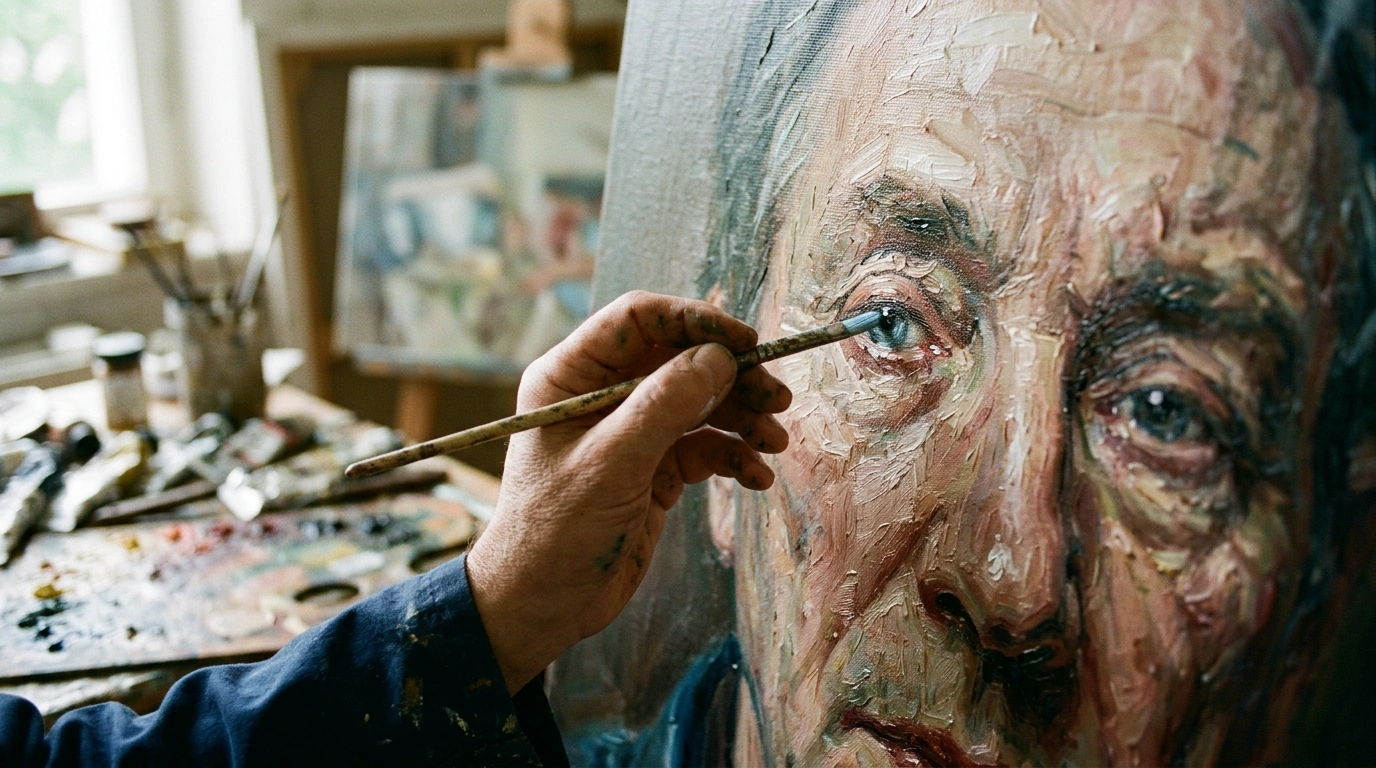
Details Are Paintbrush Strokes
Every stroke adds color and life.
Example: His careful details painted the entire scene.
Details Are Ingredients
Every ingredient improves the final result.
Example: Rich details are the secret ingredients of great storytelling.
Details Are Footprints
Details show where the story has been.
Example: Every clue left footprints leading to the answer.
Details Are Windows
They help readers see clearly.
Example: The descriptions became windows into another world.
Details Are Roots
Strong writing grows from strong details.
Example: The article’s roots were hidden in its careful research.
Metaphor vs. Simile
| Feature | Metaphor | Simile |
|---|---|---|
| Direct comparison | ✅ Yes | ❌ No |
| Uses “like” or “as” | ❌ No | ✅ Yes |
| Example | Details are puzzle pieces. | Details are like puzzle pieces. |
| Writing style | Stronger and more direct | Softer comparison |
A metaphor states that something is another thing, while a simile says it is like another thing. Both help readers understand ideas, but metaphors often create a stronger image.
Real-Life Examples
Example 1
Person A: Why did your teacher like your essay?
Person B: I added clear examples.
Lesson: Details are the building bricks of strong writing.
Example 2
Person A: The story felt real.
Person B: The writer described every small moment.
Lesson: Details are paintbrush strokes.
Example 3
Person A: I understood the scene perfectly.
Person B: The descriptions were very clear.
Lesson: Details are windows.
Example 4
Person A: How did the detective solve the case?
Person B: He noticed tiny clues.
Lesson: Details are footprints.
Example 5
Person A: Why was the speech memorable?
Person B: Every example supported the message.
Lesson: Details are puzzle pieces.
Example 6
Person A: Your story feels alive.
Person B: I focused on small descriptions.
Lesson: Details are stars that brighten writing.
Example 7
Person A: Why is research important?
Person B: Small facts build trust.
Lesson: Details are roots that support every idea.
When Should You Use Metaphors for Details?
- Essays and school assignments
- Creative writing
- Short stories and novels
- Speeches and presentations
- Blog posts
- Business communication
- Marketing content
- Social media captions
- Poetry
- Personal storytelling
Using metaphors in these situations makes ideas easier to remember and more enjoyable to read.
Common Mistakes
Mistake 1
Incorrect: Details are like puzzle pieces because they are a metaphor.
Correct: Details are puzzle pieces.
Explanation: A metaphor does not use like or as.
Mistake 2
Incorrect: Mixing many metaphors in one sentence.
Correct: Use one clear metaphor at a time.
Explanation: Too many comparisons confuse readers.
Mistake 3
Incorrect: Choosing unrelated comparisons.
Correct: Pick metaphors that fit the meaning.
Explanation: Readers should understand the image immediately.
Mistake 4
Incorrect: Using difficult metaphors.
Correct: Choose simple comparisons.
Explanation: Clear writing is stronger than complicated writing.
Mistake 5
Incorrect: Repeating the same metaphor everywhere.
Correct: Use different metaphors naturally.
Explanation: Variety keeps writing interesting.
Mistake 6
Incorrect: Explaining every metaphor.
Correct: Let readers picture it themselves.
Explanation: Good metaphors often speak for themselves.
Mistake 7
Incorrect: Using metaphors without context.
Correct: Support them with examples.
Explanation: Examples make the comparison meaningful.
Quick Memory Trick
Remember this simple phrase:
Details are puzzle pieces.
When every piece fits together, the whole picture becomes clear.
You can also remember:
- Details are paintbrush strokes.
- Details are roots.
- Details are stars.
Each one reminds you that small things create something much bigger.
Practice Quiz
Question 1
Which sentence is a metaphor?
A. Details are like stars.
B. Details are stars.
C. Details shine as bright as stars.
D. Details seem similar to stars.
Answer: B
Question 2
Which metaphor suggests that details build something strong?
A. Puzzle pieces
B. Building bricks
C. Windows
D. Seeds
Answer: B
Question 3
Which metaphor shows that details help readers see clearly?
A. Roots
B. Windows
C. Ingredients
D. Threads
Answer: B
Question 4
Which comparison is a simile?
A. Details are footprints.
B. Details are roots.
C. Details are like roots.
D. Details are windows.
Answer: C
Question 5
Why are details important?
A. They make writing longer.
B. They confuse readers.
C. They improve clarity and understanding.
D. They replace the main idea.
Answer: C