
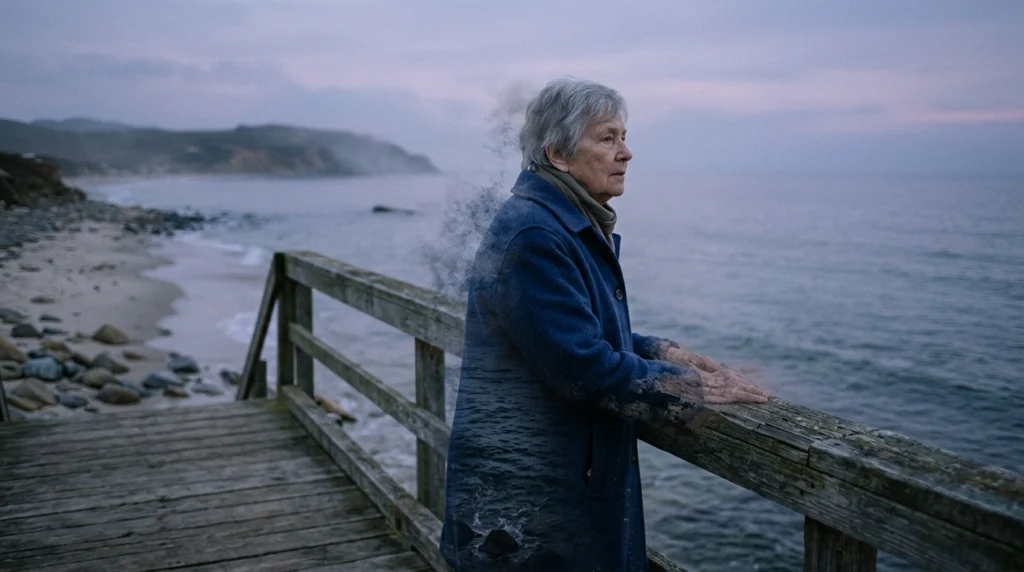
Metaphor for Fading Away Meaning
A metaphor compares one thing to another without using words such as “like” or “as.” A metaphor for fading away describes something gradually disappearing, becoming weaker, or losing its importance through symbolic imagery.
These metaphors often represent memories, hope, love, youth, dreams, emotions, or the passing of time. They help explain slow change in a way that readers can easily imagine.
Why Metaphors Describe Fading Away So Well
Gradual change is often difficult to explain with simple words. Metaphors create visual images that make these moments more meaningful.
A fading-away metaphor can:
- Show the passage of time.
- Express loss gently.
- Add emotion to writing.
- Create memorable imagery.
- Help readers connect with feelings.
Best Metaphor for Fading Away
A Candle Burning Down
A candle gives light until only a small flame remains.
Example:
“His confidence became a candle burning down in the wind.”
Meaning:
It represents strength or hope slowly disappearing.
Morning Mist
Mist slowly disappears as the sun rises.
Example:
“Her worries melted into the morning mist.”
Meaning:
It symbolizes something quietly fading from view.
Autumn Leaves
Leaves slowly lose their color before falling.
Example:
“Their friendship became autumn leaves drifting to the ground.”
Meaning:
It represents natural endings and gradual change.
A Sunset
The sun slowly disappears below the horizon.
Example:
“His childhood was a sunset slipping beyond the hills.”
Meaning:
It symbolizes endings, peace, and the passing of time.
Footprints in the Sand
Waves eventually wash footprints away.
Example:
“The memories became footprints in the sand.”
Meaning:
It represents memories slowly disappearing.
Smoke in the Air
Smoke rises and vanishes within moments.
Example:
“Her fears became smoke carried away by the breeze.”
Meaning:
It symbolizes something becoming impossible to hold onto.
A Dying Echo
An echo grows quieter until it disappears.
Example:
“His laughter became a dying echo in the empty room.”
Meaning:
It represents fading memories or emotions.
Melting Snow
Snow slowly disappears as temperatures rise.
Example:
“Their anger melted like spring snow.”
Meaning:
It suggests gradual change and renewal.
Ink Washing Away
Water slowly removes ink from paper.
Example:
“The old promises became ink washed away by the rain.”
Meaning:
It symbolizes forgotten words or broken commitments.
A Star Before Dawn
Stars slowly disappear as daylight arrives.
Example:
“Her fear faded like the last star before dawn.”
Meaning:
It represents darkness giving way to hope or change.
Metaphor for Fading Away Comparison Table
| Metaphor | Represents | Best Used For |
|---|---|---|
| Candle Burning Down | Hope slowly disappearing | Emotional writing |
| Morning Mist | Gradual disappearance | Poetry |
| Autumn Leaves | Natural endings | Stories |
| Sunset | Life transitions | Speeches |
| Footprints in the Sand | Fading memories | Personal essays |
| Smoke in the Air | Temporary moments | Creative writing |
| Dying Echo | Vanishing emotions | Fiction |
| Melting Snow | Letting go | Inspirational writing |
| Ink Washing Away | Forgotten promises | Literature |
| Star Before Dawn | Fear or darkness fading | Motivational content |
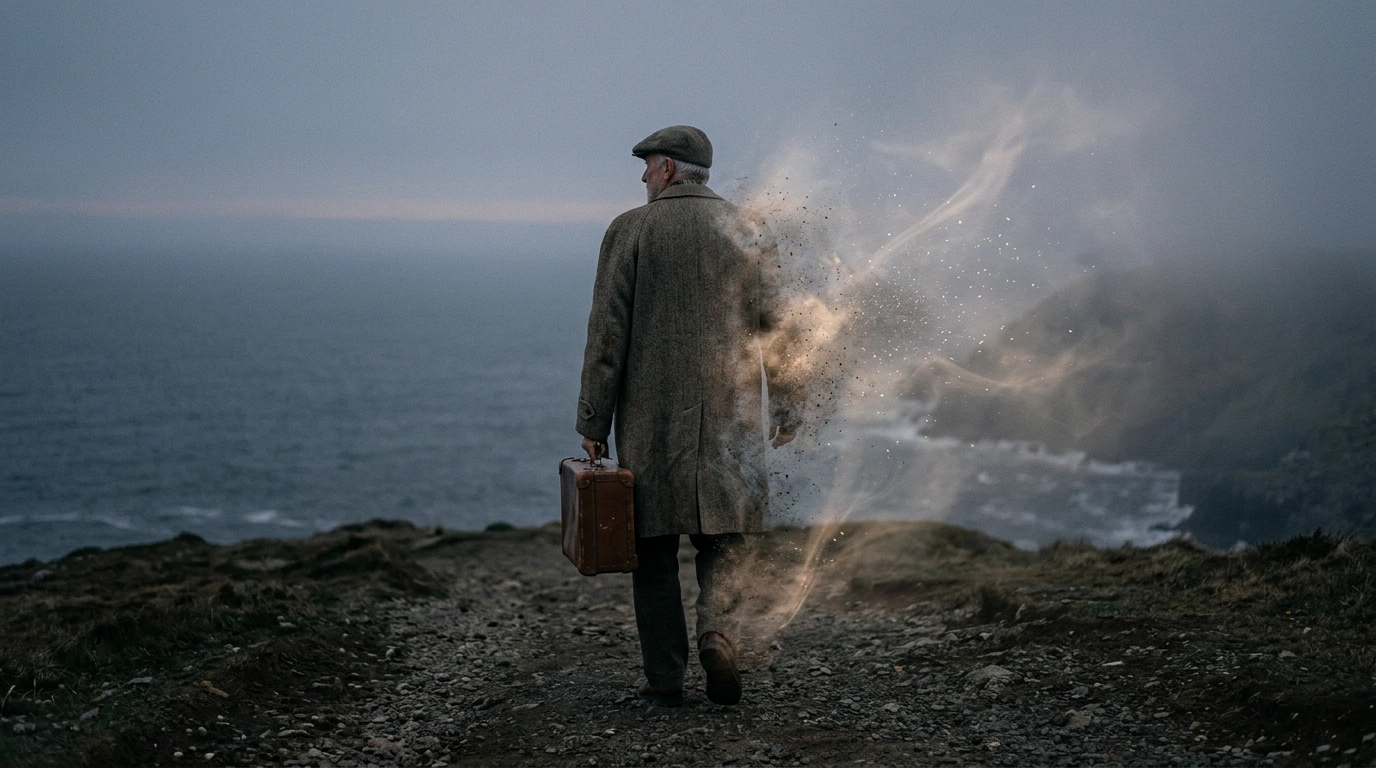
Metaphor for Fading Away in Everyday Life
A metaphor for fading away can describe many experiences, including:
- Old memories
- Childhood
- Friendships
- Love
- Fear
- Hope
- Pain
- Sadness
- Habits
- Traditions
- Seasons
- Dreams
- Time
- Emotions
- Personal growth
These metaphors help explain gradual change in a gentle and meaningful way.
Metaphor for Fading Away Examples in Conversations
Conversation
Person A: I don’t remember those days very clearly anymore.
Person B: Those memories are footprints in the sand.
Lesson: Memories naturally become less clear over time.
Conversation
Person A: My fear isn’t as strong as it used to be.
Person B: It’s the last star before dawn.
Lesson: Fear often fades as confidence grows.
Conversation
Person A: We don’t talk much anymore.
Person B: Your friendship has become autumn leaves.
Lesson: Some relationships slowly change.
Conversation
Person A: My sadness is finally disappearing.
Person B: It’s melting like spring snow.
Lesson: Healing takes time.
Conversation
Person A: My childhood feels so distant.
Person B: It’s a sunset beyond the horizon.
Lesson: Time changes our perspective.
Conversation
Person A: I barely remember his voice.
Person B: It’s becoming a dying echo.
Lesson: Memories can slowly fade.
Conversation
Person A: My worries aren’t controlling me anymore.
Person B: They’re morning mist under the rising sun.
Lesson: Problems often become smaller with time.
When to Use a Metaphor for Fading Away
A metaphor for fading away works well in:
- Poems
- Novels
- Personal essays
- Graduation speeches
- Memorial speeches
- Reflective journals
- Short stories
- Inspirational blogs
- Song lyrics
- Creative writing
- School assignments
- Relationship writing
- Mental health reflections
- Nature writing
- Motivational speeches
Common Mistakes When Using a Metaphor for Fading Away
Choosing an Unclear Image
Incorrect: His memory became a calculator.
Correct: His memory became morning mist.
Explanation: Choose images that naturally suggest disappearance.
Mixing Several Metaphors
Incorrect: Her hope became smoke, a river, and a mountain.
Correct: Her hope became smoke carried by the wind.
Explanation: Stick with one clear comparison.
Making the Metaphor Too Complex
Incorrect: His dream became an invisible machine powered by forgotten stars.
Correct: His dream became a fading sunset.
Explanation: Simple metaphors create stronger impact.
Forgetting the Main Message
Incorrect: Adding a metaphor without connecting it to your point.
Correct: Use the metaphor to support your message.
Explanation: Every metaphor should have a purpose.
Repeating the Same Metaphor
Incorrect: Using “sunset” throughout the entire piece.
Correct: Choose different metaphors when appropriate.
Explanation: Variety keeps readers interested.
Ignoring the Tone
Incorrect: Using humorous metaphors in emotional writing.
Correct: Match the metaphor to the mood.
Explanation: Tone helps readers connect emotionally.
Explaining Every Symbol
Incorrect: Spending several paragraphs explaining one metaphor.
Correct: Keep the metaphor clear and concise.
Explanation: Readers often understand symbolic images without lengthy explanations.
Quick Memory Trick
Remember this simple phrase:
Things fade little by little.
Think of these easy images:
- Fading Away = Sunset
- Fading Away = Morning Mist
- Fading Away = Candle Burning Down
- Fading Away = Footprints in the Sand
- Fading Away = Autumn Leaves
If your metaphor shows something slowly disappearing over time, it is a strong metaphor for fading away.
Practice Quiz
Which metaphor best represents fading memories?
A. Footprints in the Sand
B. Hammer
C. Bicycle
D. Window
Answer: A. Footprints in the Sand
Which metaphor symbolizes hope slowly disappearing?
A. Candle Burning Down
B. Rock
C. Ladder
D. Mirror
Answer: A. Candle Burning Down
What does the sunset metaphor usually represent?
A. Endings and transitions
B. Excitement
C. Speed
D. Noise
Answer: A. Endings and transitions
Why do writers use metaphors for fading away?
A. To create vivid emotional images
B. To confuse readers
C. To make writing longer
D. To avoid meaning
Answer: A. To create vivid emotional images
Which metaphor represents worries disappearing?
A. Morning Mist
B. Chair
C. Pencil
D. Brick
Answer: A. Morning Mist