
What Is a Metaphor for Imperialism?
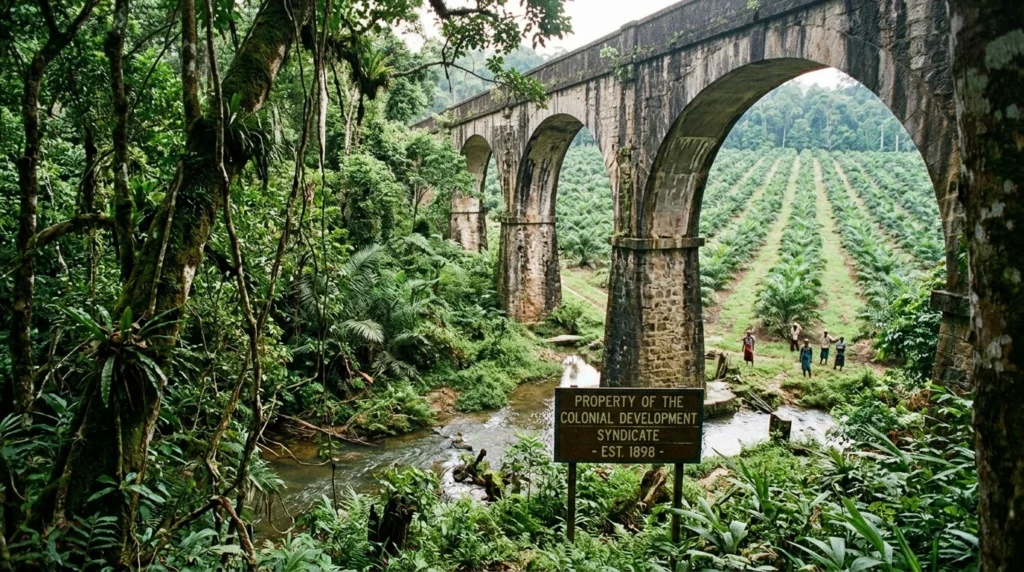
A metaphor for imperialism is a figure of speech that compares imperial expansion or domination to something more familiar.
Instead of describing historical events in literal terms, the metaphor illustrates ideas such as control, conquest, exploitation, or influence.
Examples
- Imperialism is a spreading shadow.
- Empire became an octopus, reaching into distant lands.
- Colonial rule was a heavy chain.
These expressions are figurative rather than literal.
What Does Imperialism Symbolize?
In literature and historical writing, imperialism can symbolize:
- Expansion of power
- Political control
- Colonial rule
- Economic exploitation
- Cultural influence
- Domination
- Ambition
- Conflict
- Resistance
- Global competition
The exact meaning depends on the historical or literary context.
Best Metaphors for Imperialism
| Metaphor | Meaning | Example |
|---|---|---|
| Spreading shadow | Growing influence or control | Imperialism became a spreading shadow across the region. |
| Octopus | Expanding reach into many places | The empire was an octopus with arms around the world. |
| Heavy chain | Loss of freedom | Colonial rule became a heavy chain. |
| Hungry fire | Constant expansion | Imperial ambition was a hungry fire. |
| Giant web | A network of political and economic control | The empire built a giant web of influence. |
| Iron hand | Strict authority | The colony lived under an iron hand. |
| Climbing vine | Slow but steady expansion | Imperialism spread like a climbing vine. |
| Tidal wave | Powerful force that changes everything | Imperialism arrived as a tidal wave. |
| Chessboard | Strategic competition among nations | The world became a chessboard for empires. |
| Deep roots | Long-lasting influence | Colonial rule left deep roots in society. |
Each metaphor emphasizes a different aspect of imperialism, such as expansion, authority, or lasting effects.
Metaphor for Imperialism vs Simile
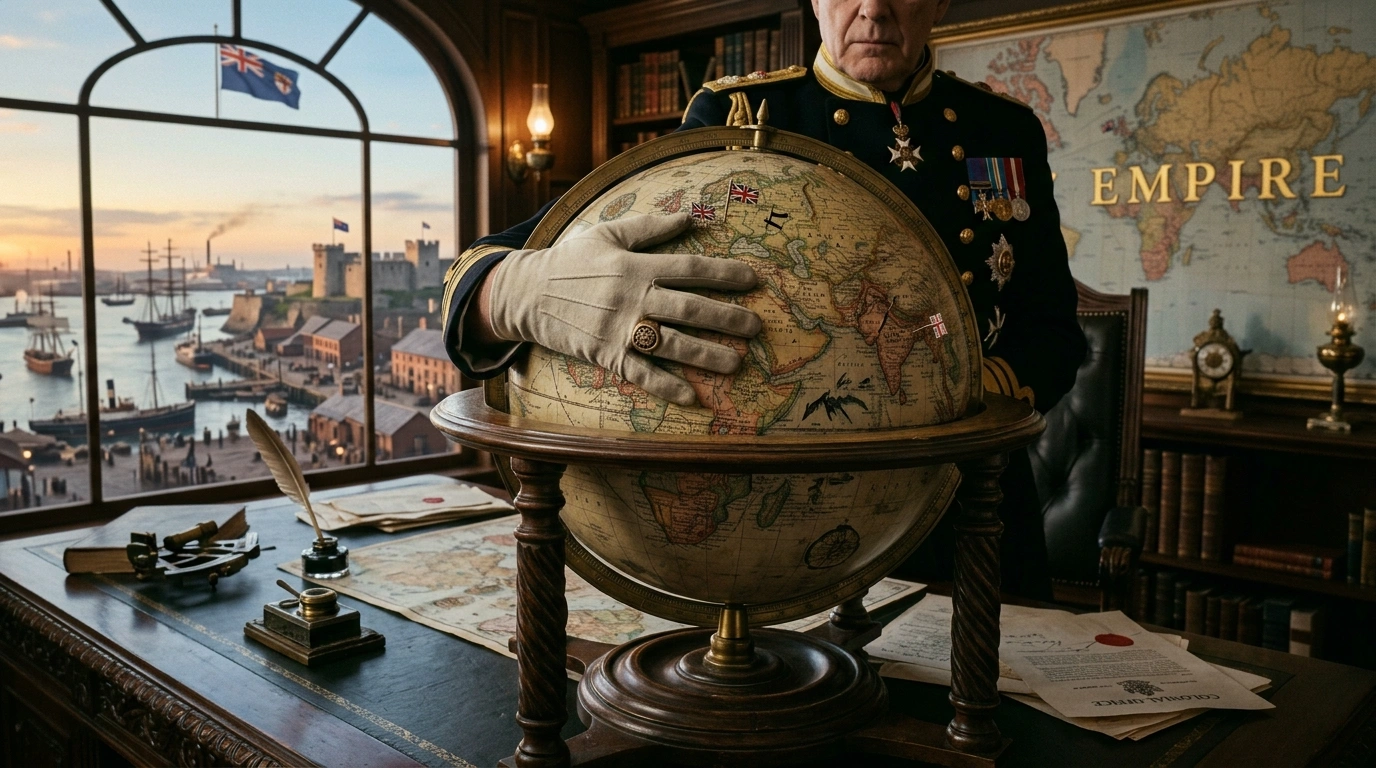
Metaphors and similes both compare ideas, but they do so differently.
| Feature | Metaphor | Simile |
| Direct comparison | ✅ Yes | ❌ No |
| Uses “like” or “as” | ❌ No | ✅ Yes |
| Example | Imperialism is a spreading shadow. | Imperialism is like a spreading shadow. |
| Effect | Strong and vivid | More direct |
A metaphor makes a direct comparison, while a simile compares using like or as.
Real-Life Examples
Conversation 1
Person A: How did the empire grow so quickly?
Person B: It was a hungry fire.
Lesson: The metaphor emphasizes relentless expansion.
Conversation 2
Person A: Why do historians call an empire an octopus?
Person B: Because it reached into many regions at once.
Lesson: The metaphor highlights wide-ranging control.
Conversation 3
Person A: How did colonial rule affect local people?
Person B: It became a heavy chain.
Lesson: The metaphor represents restrictions on freedom.
Conversation 4
Person A: Why do the effects of imperialism still matter today?
Person B: It left deep roots.
Lesson: The metaphor shows lasting influence.
Conversation 5
Person A: How did powerful countries compete?
Person B: The world became a chessboard.
Lesson: The metaphor illustrates strategic rivalry.
Conversation 6
Person A: How did imperial control spread?
Person B: It was a climbing vine.
Lesson: The metaphor suggests gradual expansion.
Conversation 7
Person A: How would you describe colonial authority?
Person B: It ruled with an iron hand.
Lesson: The metaphor conveys strict and forceful control.
When Should You Use a Metaphor for Imperialism?
Imperialism metaphors can make historical and political ideas easier to understand.
Use them in:
- History essays
- Literature analysis
- Classroom presentations
- Speeches
- Research papers
- Blog posts
- Historical fiction
- Creative writing
- Educational materials
- Discussions about global history
Choose a metaphor that matches the specific idea you want to explain.
Common Mistakes
Incorrect
Imperialism literally became an octopus.
Correct
Imperialism was an octopus reaching across continents.
Explanation: The comparison is symbolic.
Incorrect
The empire was a chain.
Correct
Colonial rule became a heavy chain.
Explanation: The metaphor focuses on restricted freedom.
Incorrect
Imperialism is a tree.
Correct
Imperialism left deep roots.
Explanation: The roots symbolize lasting effects.
Incorrect
The empire was fire because it burned things.
Correct
Imperial ambition was a hungry fire.
Explanation: The fire represents constant expansion.
Incorrect
History became a board game.
Correct
The world became a chessboard.
Explanation: Chess symbolizes careful political strategy.
Incorrect
Imperialism was a rope.
Correct
Imperialism became a giant web.
Explanation: A web better represents interconnected influence.
Incorrect
The empire became a wave because it liked water.
Correct
Imperialism arrived as a tidal wave.
Explanation: The metaphor emphasizes overwhelming force.
Quick Memory Trick
Think of this phrase:
Imperialism spreads, controls, and leaves lasting marks.
Remember these easy metaphors:
- Spreading shadow = expanding influence
- Octopus = wide-reaching control
- Heavy chain = loss of freedom
- Hungry fire = endless expansion
- Deep roots = lasting impact
Picture each image to remember its meaning.
Practice Quiz
1. Which metaphor best represents expanding control?
A. Spreading shadow
B. Bright star
C. Quiet pond
D. Empty basket
Answer: A
2. Which metaphor symbolizes wide-reaching influence?
A. Octopus
B. Feather
C. Pebble
D. Snowflake
Answer: A
3. Which metaphor represents restricted freedom?
A. Heavy chain
B. Open gate
C. Blue sky
D. Fresh breeze
Answer: A
4. Which metaphor describes lasting historical influence?
A. Deep roots
B. Falling leaf
C. Empty bottle
D. Broken wheel
Answer: A
5. Why do writers use metaphors for imperialism?
A. To explain complex historical ideas through vivid images
B. To avoid history
C. To confuse readers
D. To make essays longer
Answer: A