
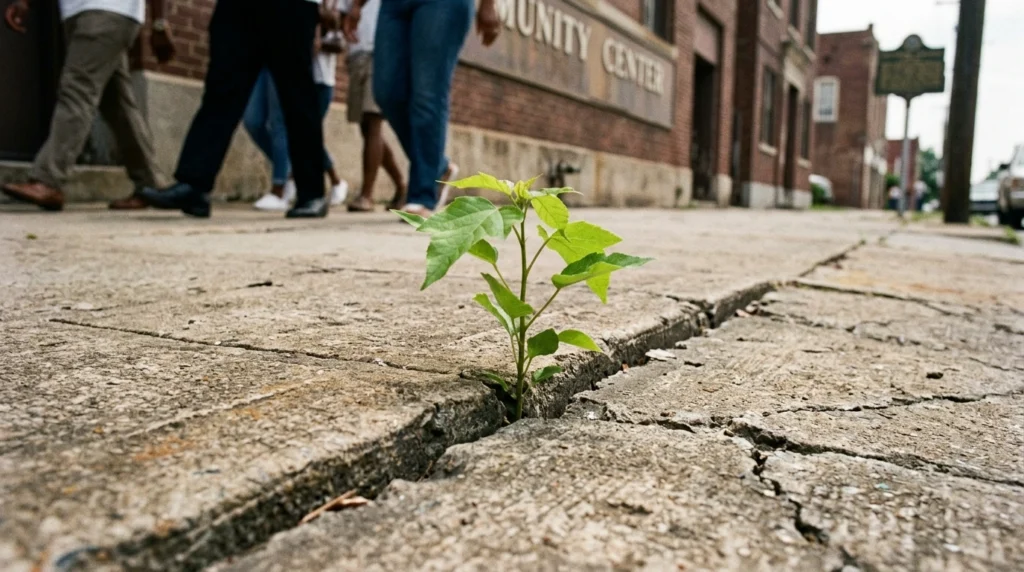
What Is a Metaphor for Martin Luther King Jr.?
A metaphor for Martin Luther King Jr. is a creative comparison that describes his life, leadership, or impact using symbolic images.
It does not describe him literally. Instead, it shows his role through ideas like light, hope, or movement.
For example:
- “He was a lighthouse in a storm.”
- “He was the bridge between injustice and freedom.”
These metaphors help people understand his message in a visual and emotional way.
Why Use Metaphors for Martin Luther King Jr.?
Writers use metaphors to:
- Show emotional impact of his leadership
- Explain civil rights ideas simply
- Help students understand history better
- Make speeches and essays more powerful
- Connect readers with his message of peace
Metaphors turn history into something people can feel, not just read.
Comparison Table Metaphor for Martin Luther King Jr.
| Metaphor | Meaning | Represents | Example |
|---|---|---|---|
| A Lighthouse | Guidance in darkness | Leadership | He was a lighthouse during injustice |
| A Bridge | Connection between people | Equality | He became a bridge between races |
| A Voice of Justice | Speaking truth | Civil rights | He was a voice of justice |
| A Light in Darkness | Hope in hard times | Inspiration | He was a light in darkness |
| A River of Change | Continuous progress | Movement | His message was a river of change |
Powerful Metaphors for Martin Luther King Jr.
1. A Lighthouse in a Storm
He guided people during times of injustice.
He was a lighthouse in a storm of inequality.
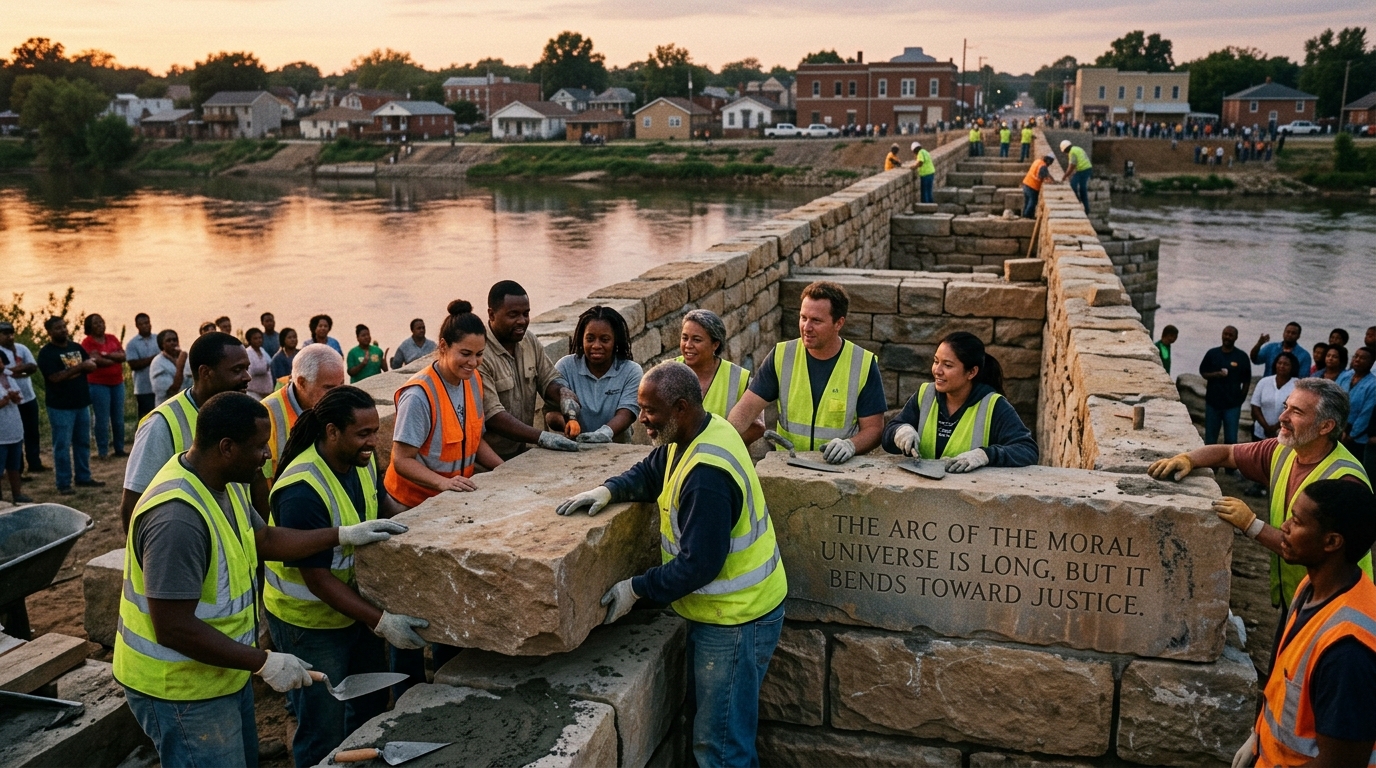
2. A Bridge Between Worlds
He connected divided communities.
He became a bridge between races.
3. A Voice of Justice
He spoke truth against unfair systems.
He was a voice of justice for millions.
4. A Light in Darkness
He brought hope during difficult times.
His speeches were a light in darkness.
5. A River of Change
His movement spread across the nation.
His ideas flowed like a river of change.
6. A Flame of Hope
He kept hope alive in people’s hearts.
He was a flame of hope for equality.
7. A Beacon of Freedom
He represented liberation and rights.
He became a beacon of freedom.
8. A Mountain of Courage
He stood strong against opposition.
His courage was a mountain.
9. A Seed of Justice
He planted ideas that grew over time.
He was a seed of justice.
10. A Wind of Change
His influence moved society forward.
His voice was a wind of change.
11. A Drum of Freedom
He inspired people to act.
His speeches were a drum of freedom.
12. A Path Through Darkness
He showed direction during confusion.
He created a path through darkness.
13. A Sun Rising on Equality
He brought new hope for fairness.
He was a rising sun of equality.
14. A Shield of Peace
He defended non-violence.
He was a shield of peace.
15. A Spark That Lit a Fire
He started a movement for rights.
He was a spark that lit a fire.
16. A Map to Freedom
He showed the way to justice.
His teachings were a map to freedom.
17. A Tree of Strength
He stood firm against oppression.
He was a tree of strength.
18. A Wave of Equality
His message spread widely.
He created a wave of equality.
19. A Song of Justice
His message was powerful and memorable.
He was a song of justice.
20. A Key to Freedom
He opened doors to civil rights.
He became a key to freedom.
When to Use These Metaphors
You can use these metaphors in:
- History essays
- Speeches
- School assignments
- Creative writing
- Articles about civil rights
- Inspirational writing
- Educational content
They help make history more emotional and easier to understand.
Common Mistakes
- Using overly complicated metaphors
- Mixing too many ideas in one sentence
- Forgetting historical context
- Using disrespectful comparisons
- Writing literal instead of symbolic meaning
- Repeating the same metaphor too often
- Not matching metaphor with message
Quick Memory Trick
Think like this:
- Leader = light or guide
- Change = movement or wind
- Justice = path or bridge
- Hope = flame or sun
So:
Martin Luther King Jr. = light, bridge, and voice of change
Practice Quiz
1. What does “lighthouse” metaphor mean?
A) Confusion
B) Guidance
C) Silence
D) Fear
Answer: B
2. “Bridge between worlds” means:
A) Division
B) Connection
C) Distance
D) Silence
Answer: B
3. “Flame of hope” represents:
A) Fear
B) Hope
C) Darkness
D) Anger
Answer: B
4. “Map to freedom” means:
A) Confusion
B) Direction
C) Loss
D) Silence
Answer: B
5. “Wind of change” shows:
A) Stagnation
B) Movement
C) Stillness
D) Weakness
Answer: B