
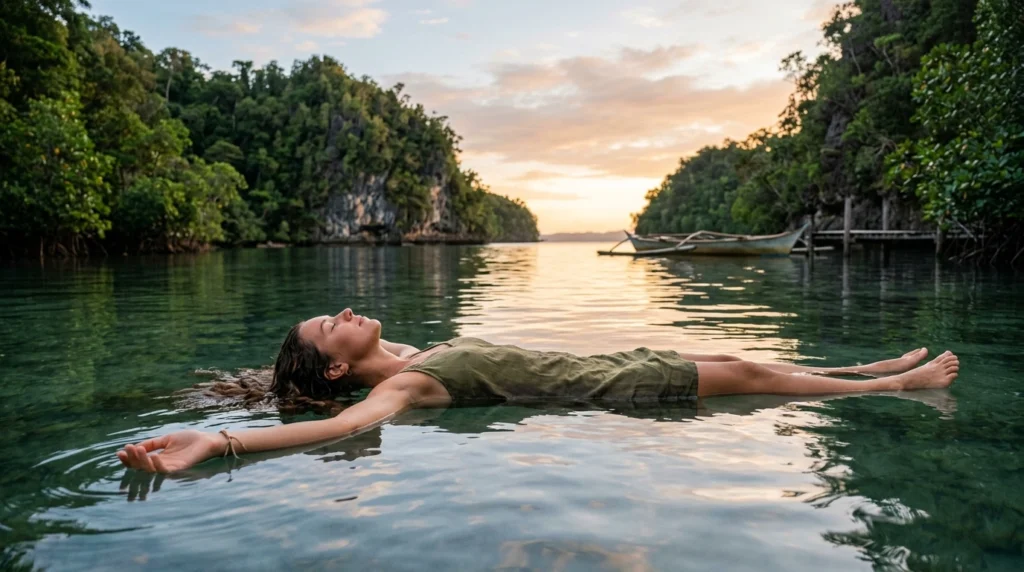
What Is a Metaphor for Relax?
A metaphor compares one thing to another without using words such as “like” or “as.” A metaphor for relax uses peaceful images to represent rest, calmness, emotional balance, and freedom from stress.
Relaxation can symbolize:
- Peace
- Rest
- Calm
- Balance
- Comfort
- Healing
- Patience
- Inner quiet
Why Relaxation Metaphors Are Effective
Peaceful images help readers feel calm while they read.
A strong relaxation metaphor can:
- Create soothing imagery.
- Express emotional peace.
- Describe stress relief.
- Add beauty to writing.
- Make messages more memorable.
Best Metaphor for Relax
A Still Lake
A calm lake reflects everything clearly.
Example:
“After the long week, his mind became a still lake.”
Meaning:
It represents inner peace and emotional calm.
A Floating Cloud
Clouds drift gently across the sky.
Example:
“Her worries became floating clouds.”
Meaning:
It symbolizes letting go of stress.
A Gentle Breeze
A soft breeze feels cool and refreshing.
Example:
“His words were a gentle breeze after a difficult day.”
Meaning:
It represents comfort and relief.
A Quiet Garden
Gardens offer beauty and peaceful surroundings.
Example:
“Her heart became a quiet garden.”
Meaning:
It symbolizes emotional balance and serenity.
A Leaf on a Stream
A leaf moves effortlessly with the current.
Example:
“He became a leaf on a peaceful stream.”
Meaning:
It represents surrender and going with the flow.
A Soft Blanket
A blanket provides warmth and comfort.
Example:
“The peaceful evening was a soft blanket around us.”
Meaning:
It symbolizes security and relaxation.
A Sunset
Sunsets mark the end of a busy day.
Example:
“The vacation felt like a beautiful sunset.”
Meaning:
It represents rest and gentle endings.
A Quiet Harbor
Ships find safety in a harbor.
Example:
“Her embrace became a quiet harbor.”
Meaning:
It symbolizes protection and peace.
A Feather Drifting Down
A feather falls slowly and gently.
Example:
“His thoughts became a feather drifting through the air.”
Meaning:
It represents lightness and freedom from worry.
A Calm Ocean
A peaceful sea moves slowly and quietly.
Example:
“Meditation turned his mind into a calm ocean.”
Meaning:
It symbolizes deep relaxation and emotional stability.
Metaphor for Relax Comparison Table
| Metaphor | Represents | Best Used For |
|---|---|---|
| Still Lake | Inner peace | Reflective writing |
| Floating Cloud | Letting go | Wellness articles |
| Gentle Breeze | Comfort | Poetry |
| Quiet Garden | Emotional balance | Personal journals |
| Leaf on a Stream | Acceptance | Motivational writing |
| Soft Blanket | Safety | Family writing |
| Sunset | Rest | Inspirational essays |
| Quiet Harbor | Protection | Love letters |
| Feather Drifting Down | Lightness | Creative writing |
| Calm Ocean | Deep relaxation | Meditation content |
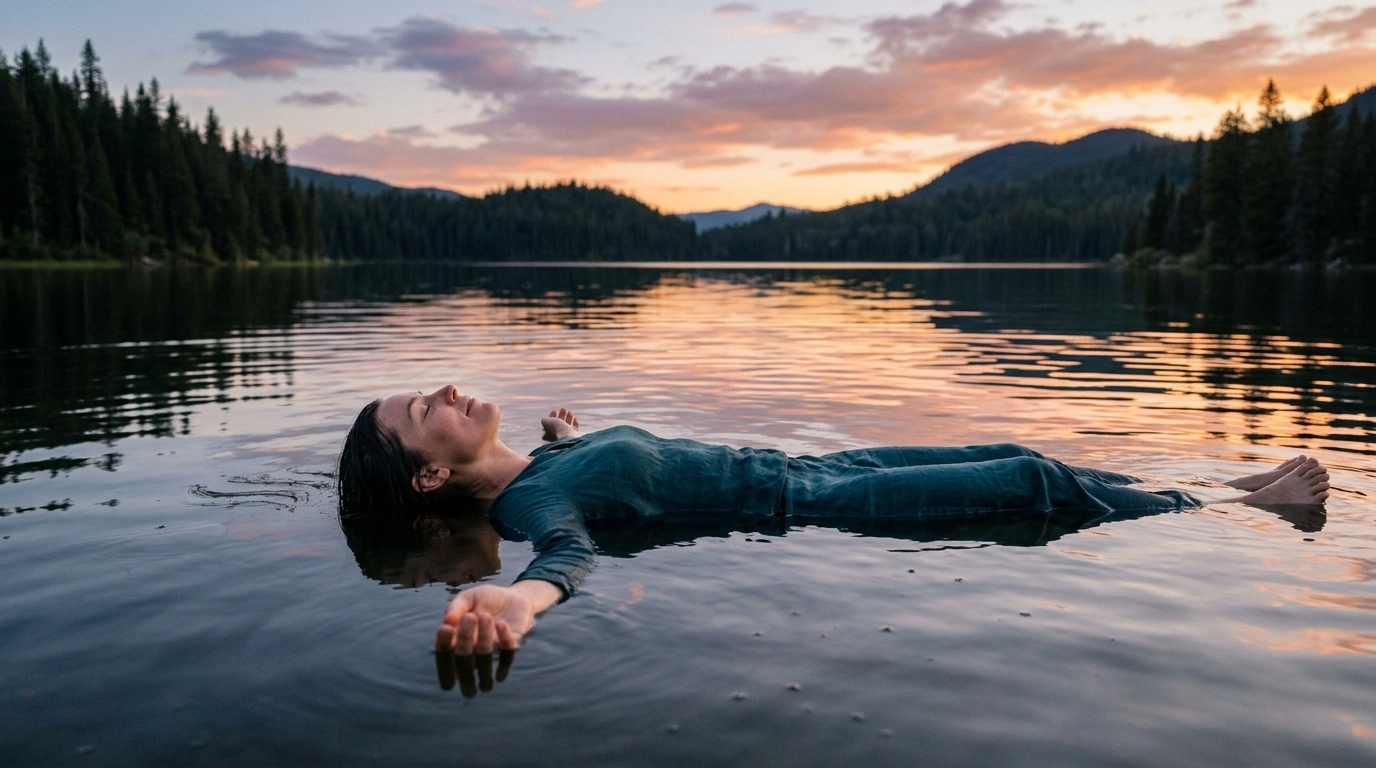
Metaphor for Relax in Everyday Life
A metaphor for relax can describe many peaceful moments.
You can use these metaphors for:
- Vacations
- Meditation
- Family time
- Nature writing
- Personal journals
- Self-care articles
- Bedtime stories
- Wellness blogs
- Motivational speeches
- Mindfulness lessons
- School essays
- Poetry
- Stress relief
- Recovery
- Emotional healing
These metaphors make calm emotions easier to imagine.
Metaphor for Relax Examples in Conversations
Conversation
Person A: I finally feel peaceful again.
Person B: Your mind is a still lake.
Lesson: Peace comes from emotional balance.
Conversation
Person A: I stopped worrying about everything.
Person B: Your worries became floating clouds.
Lesson: Letting go reduces stress.
Conversation
Person A: That vacation helped me so much.
Person B: It was your sunset after a long day.
Lesson: Rest restores energy.
Conversation
Person A: Talking to her always calms me.
Person B: She’s your gentle breeze.
Lesson: Kind people bring comfort.
Conversation
Person A: Meditation changed my life.
Person B: Your mind became a calm ocean.
Lesson: Quiet moments create inner peace.
Conversation
Person A: I finally accepted what happened.
Person B: You’re a leaf on a peaceful stream.
Lesson: Acceptance often brings relaxation.
Conversation
Person A: Home feels so comforting.
Person B: It’s your soft blanket.
Lesson: Safe places help us relax.
When to Use a Metaphor for Relax
A metaphor for relax works well in:
- Poems
- Personal journals
- Wellness blogs
- Meditation guides
- Speeches
- School essays
- Creative writing
- Self-help books
- Nature writing
- Greeting cards
- Bedtime stories
- Motivational articles
- Mindfulness lessons
- Social media captions
- Reflective essays
Common Mistakes When Using a Metaphor for Relax
Choosing a Stressful Image
Incorrect: His mind was a racing engine.
Correct: His mind was a still lake.
Explanation: Use images connected with peace and calm.
Mixing Too Many Metaphors
Incorrect: She was a lake, feather, mountain, rocket, and rainbow.
Correct: She was a quiet garden.
Explanation: One strong metaphor creates a clearer image.
Making the Metaphor Too Complex
Incorrect: His thoughts became invisible machines floating through endless space.
Correct: His thoughts became floating clouds.
Explanation: Simple metaphors are easier to understand.
Ignoring the Context
Incorrect: Using a relaxing metaphor during an action scene.
Correct: Match the metaphor to the mood.
Explanation: Context strengthens the message.
Repeating the Same Metaphor
Incorrect: Using “still lake” in every paragraph.
Correct: Use different relaxation metaphors naturally.
Explanation: Variety keeps readers interested.
Forgetting the Main Idea
Incorrect: Choosing an image that doesn’t suggest calmness.
Correct: Select symbols that represent peace or comfort.
Explanation: The metaphor should support your message.
Overexplaining the Metaphor
Incorrect: Spending several paragraphs explaining one comparison.
Correct: Keep the metaphor brief and meaningful.
Explanation: Strong metaphors speak for themselves.
Quick Memory Trick
Remember this phrase:
Relaxation feels quiet and gentle.
Think of these simple connections:
- Relax = Still Lake
- Relax = Calm Ocean
- Relax = Gentle Breeze
- Relax = Quiet Garden
- Relax = Floating Cloud
If your metaphor creates feelings of peace, comfort, or rest, it works well as a metaphor for relax.
Practice Quiz
Which metaphor best represents inner peace?
A. Still Lake
B. Hammer
C. Bicycle
D. Pencil
Answer: A. Still Lake
Which metaphor symbolizes letting go of stress?
A. Floating Cloud
B. Brick
C. Chair
D. Window
Answer: A. Floating Cloud
What does the quiet harbor metaphor represent?
A. Safety and peace
B. Speed
C. Competition
D. Anger
Answer: A. Safety and peace
Why do writers use relaxation metaphors?
A. To express calm feelings through vivid images
B. To confuse readers
C. To make writing longer
D. To remove emotion
Answer: A. To express calm feelings through vivid images
Which metaphor best represents deep emotional calm?
A. Calm Ocean
B. Rocket
C. Ladder
D. Mirror
Answer: A. Calm Ocean