
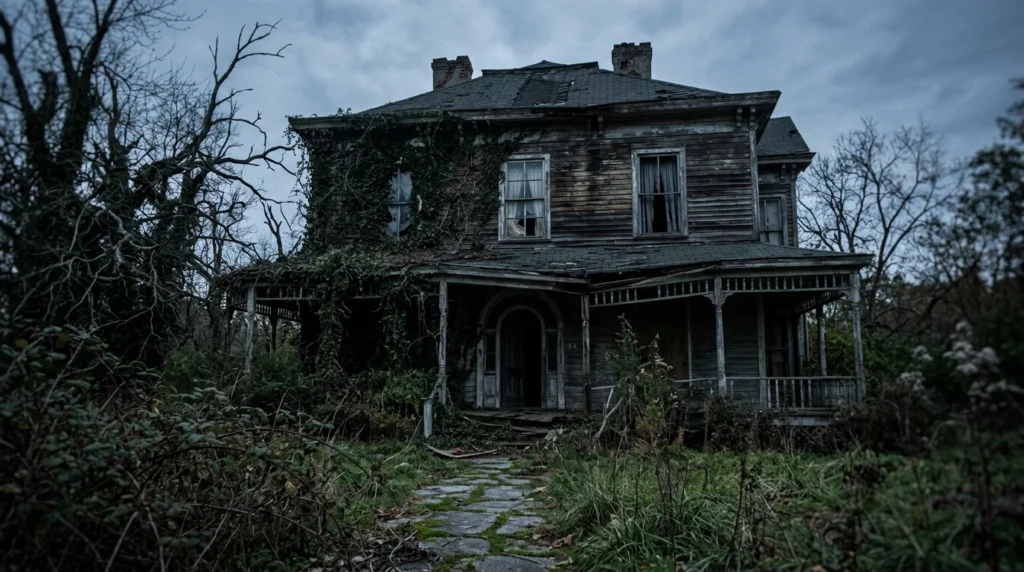
What Is a Metaphor for a Scary House?
A metaphor compares one thing to another without using words such as “like” or “as.” It explains an idea through a vivid image.
A scary house often symbolizes fear, mystery, loneliness, danger, or hidden secrets.
For example:
- The mansion was a sleeping monster waiting to awaken.
- The old house became a cage of shadows.
- The abandoned home stood a forgotten tomb.
These comparisons create stronger imagery than simple descriptions.
Why Use Metaphors for a Scary House?
Metaphors make horror and mystery writing more vivid.
Build Suspense
Creative comparisons create tension before anything frightening happens.
Create Strong Visual Images
Readers can imagine the setting more clearly.
Improve Storytelling
Metaphors make horror stories and gothic fiction more memorable.
Add Emotional Depth
A scary house can symbolize fear, secrets, grief, or isolation.
50 Best Metaphors for a Scary House
Monster Metaphors
- Sleeping monster
- Hungry beast
- Giant spider
- Dragon’s den
- Open jaws
- Dark giant
- Waiting predator
- Silent hunter
- Caged monster
- Restless creature
Darkness Metaphors
- Cage of shadows
- Black hole
- Endless night
- Bottomless pit
- Curtain of darkness
- Living nightmare
- Hollow darkness
- Shadow prison
- Dark cave
- Midnight trap
Death and Mystery Metaphors
- Forgotten tomb
- Ancient grave
- Coffin with windows
- House of whispers
- Silent cemetery
- Ghost’s palace
- Temple of fear
- Lost crypt
- Abandoned shrine
- Echo chamber
Nature Metaphors
- Dead forest
- Poisoned tree
- Frozen cave
- Storm cloud
- Thorn bush
- Web of vines
- Rotten swamp
- Winter wasteland
- Lightning scar
- Bottomless marsh
Imagination Metaphors
- Maze of fear
- Puzzle of nightmares
- Door to darkness
- Prison of silence
- Museum of ghosts
- Theater of shadows
- Forgotten memory
- Broken dream
- Labyrinth of secrets
- Time capsule of fear
Comparison Table
| Metaphor | Meaning | Best Used For |
|---|---|---|
| Sleeping Monster | Hidden danger | Horror stories |
| Cage of Shadows | Fear and darkness | Gothic fiction |
| Forgotten Tomb | Death and mystery | Halloween writing |
| Maze of Fear | Confusion and suspense | Thrillers |
| House of Whispers | Hidden secrets | Mystery novels |
| Ghost’s Palace | Haunted atmosphere | Paranormal stories |
| Door to Darkness | Entering danger | Short stories |
| Temple of Fear | Intimidating place | Descriptive writing |
| Theater of Shadows | Strange illusions | Creative writing |
| Prison of Silence | Isolation and loneliness | Psychological fiction |
Each metaphor captures a different type of fear. Some focus on danger, while others emphasize mystery, loneliness, or supernatural suspense.
Examples in Sentences
- The abandoned mansion was a sleeping monster waiting for its next visitor.
- Every hallway became a cage of shadows after sunset.
- The old farmhouse stood a forgotten tomb on the lonely hill.
- The attic felt a maze of fear with every creaking step.
- The mansion was a house of whispers, hiding untold secrets.
- Broken windows turned the building into a ghost’s palace.
- The cellar became a door to darkness no one wanted to open.
- Silence transformed the cottage into a prison of silence.
- The empty rooms felt a theater of shadows after midnight.
- The abandoned estate remained a labyrinth of secrets for decades.
How to Choose the Right Metaphor
Match the Mood
Choose a metaphor that reflects mystery, suspense, danger, or loneliness.
Think About Your Audience
Simple but vivid metaphors create stronger images.
Stay Consistent
Use one central image instead of mixing unrelated comparisons.
Support the Story
Choose metaphors that enhance your setting and plot.
Common Mistakes to Avoid
| Incorrect | Correct | Explanation |
|---|---|---|
| The house was a monster inside a cave of shadows. | The house was a sleeping monster. | Avoid mixing metaphors. |
| Use too many spooky comparisons. | Choose one powerful metaphor. | Improves clarity. |
| Pick confusing images. | Use familiar horror symbols. | Makes descriptions stronger. |
| Ignore the tone. | Match the metaphor to the story. | Creates consistency. |
| Repeat one metaphor throughout. | Vary your metaphors naturally. | Keeps readers interested. |
| Make every sentence dramatic. | Balance suspense with simple descriptions. | Improves pacing. |
| Forget the setting. | Let the metaphor support the atmosphere. | Creates immersive writing. |
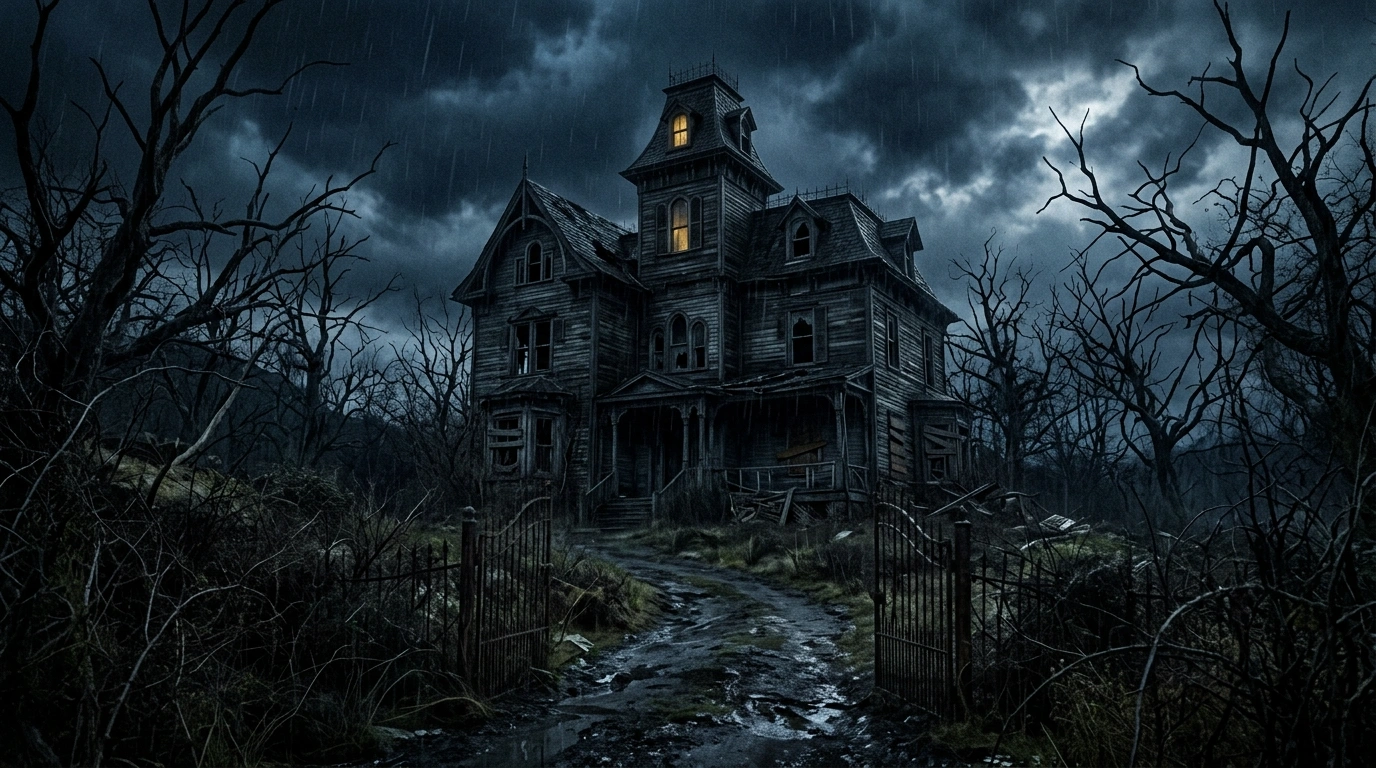
Quick Tips for Writing Better Scary House Metaphors
- Focus on atmosphere before action.
- Use dark but familiar imagery.
- Keep the comparison clear.
- Match the metaphor to the mood.
- Avoid mixing different images.
- Use sensory details with your metaphor.
- Read your descriptions aloud to test the flow.
Practice Quiz
Question 1
Which metaphor best represents hidden danger?
A. Sleeping Monster
B. Blooming Garden
C. Bright Rainbow
D. Calm River
Answer: A. Sleeping Monster
Question 2
Which metaphor symbolizes darkness and fear?
A. Cage of Shadows
B. Open Window
C. Sunny Meadow
D. Green Valley
Answer: A. Cage of Shadows
Question 3
Which metaphor best represents mystery?
A. House of Whispers
B. Flower Garden
C. Playground
D. Quiet Beach
Answer: A. House of Whispers
Question 4
Which metaphor suggests entering danger?
A. Door to Darkness
B. Golden Bridge
C. Open Book
D. Safe Harbor
Answer: A. Door to Darkness
Question 5
Which metaphor symbolizes confusion and suspense?
A. Maze of Fear
B. Calm Lake
C. Bright Star
D. Open Field
Answer: A. Maze of Fear