

What Is a Metaphor?
A metaphor is a figure of speech that compares two different things by saying one is the other. Unlike a simile, it does not use the words like or as.
For example:
- “Time is a river.”
- “Life is a journey.”
- “Knowledge is a key.”
Metaphors make writing more expressive because they help readers imagine ideas through familiar images.
What Does “Slide” Mean?
The word slide has several meanings in English.
It can mean:
- Move smoothly across a surface.
- Gradually go down or decline.
- Enter or leave quietly.
- Move with little effort.
- A playground structure for children.
- A page in a presentation.
Because it has many meanings, different metaphors work better in different situations.
Best Metaphors for Slide
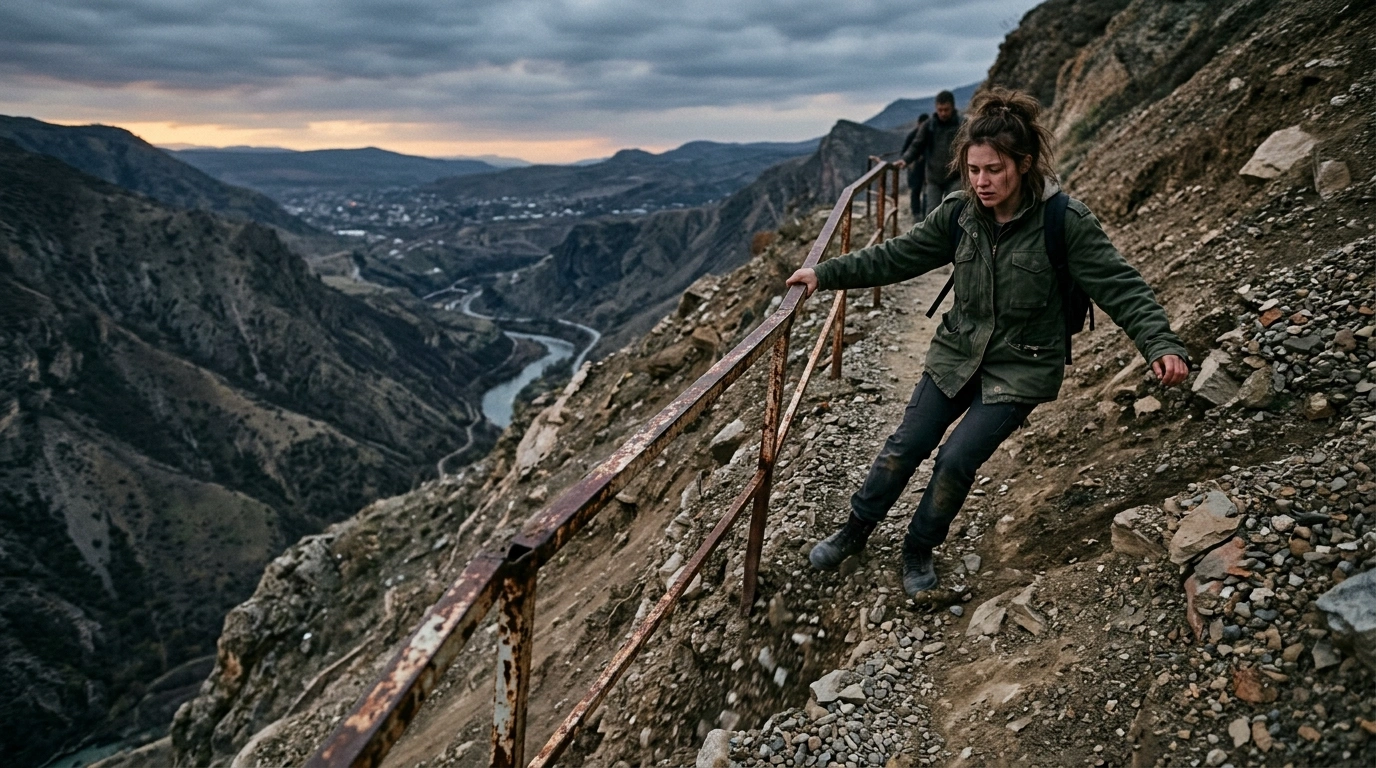
1. A Slippery Slope
This is one of the most common metaphors for a gradual decline or worsening situation.
Example:
“Skipping one homework assignment became a slippery slope toward poor grades.”
2. A River Flowing Downhill
A river moves naturally without stopping.
Meaning: Smooth, continuous movement.
Example:
“The conversation flowed like a river downhill.”
3. A Falling Leaf
A leaf drifts gently to the ground.
Meaning: Slow, graceful movement or decline.
Example:
“His confidence became a falling leaf after the disappointing results.”
4. Sand Slipping Through Your Fingers
Sand cannot be held for long.
Meaning: Losing something little by little.
Example:
“The opportunity slipped away like sand through his fingers.”
5. A Snowball Rolling Downhill
A snowball grows larger as it rolls.
Meaning: A situation that gains speed or becomes bigger over time.
Example:
“One small mistake turned into a snowball rolling downhill.”
6. A Melting Ice Cube
Ice slowly disappears as it melts.
Meaning: Gradual loss or fading.
Example:
“Her excitement became a melting ice cube after hearing the bad news.”
7. A Broken Elevator
An elevator that keeps falling shows a sudden or uncontrolled drop.
Meaning: Rapid decline.
Example:
“The company’s profits became a broken elevator.”
8. A Sled Racing Down a Hill
A sled moves quickly and smoothly.
Meaning: Fast movement with little resistance.
Example:
“The skier became a sled racing toward the finish line.”
9. A Domino Chain
One domino knocks over the next.
Meaning: One event causes another.
Example:
“The missed deadline became a domino chain of delays.”
10. A Waterfall
Water falls naturally from a height.
Meaning: Smooth downward motion.
Example:
“Her long dress flowed like a waterfall as she walked.”
Metaphor for Slide by Context
When You Mean Smooth Movement
Good metaphors include:
- A flowing river
- A sled on fresh snow
- A feather riding the wind
- A ribbon floating through the air
- A fish gliding through water
When You Mean Decline
Use metaphors such as:
- A slippery slope
- A melting candle
- A setting sun
- A cracked bridge
- A falling leaf
When You Mean a Playground Slide
Creative choices include:
- A ribbon of laughter
- A silver waterfall
- A rainbow runway
- A chute of joy
- A smiling slope
Example:
“The playground slide was a silver waterfall carrying children into laughter.”
When You Mean a Presentation Slide
These metaphors work well:
- A window into an idea
- A visual roadmap
- A bridge between concepts
- A page in a story
- A spotlight on knowledge
Example:
“Each slide was a window into the team’s vision.”
Metaphor vs. Simile
Many learners confuse these two figures of speech.
| Feature | Metaphor | Simile |
|---|---|---|
| Direct comparison | ✅ Yes | ❌ No |
| Uses “like” or “as” | ❌ No | ✅ Yes |
| Example | “Life is a river.” | “Life is like a river.” |
Metaphors often sound stronger because they make a direct comparison.
Real-Life Examples
Conversation 1
Person A: My grades have been getting worse.
Person B: It sounds like you’re on a slippery slope.
Lesson: Shows gradual decline.
Conversation 2
Person A: The project moved so easily.
Person B: It was a river flowing downhill.
Lesson: Describes smooth progress.
Conversation 3
Person A: I lost confidence after the interview.
Person B: It happens. Confidence can become a falling leaf sometimes.
Lesson: Expresses emotional decline.
Conversation 4
Person A: The small problem became huge.
Person B: It turned into a snowball rolling downhill.
Lesson: Shows growing problems.
Conversation 5
Person A: Time disappeared so quickly.
Person B: It slipped away like sand through your fingers.
Lesson: Describes losing something gradually.
Conversation 6
Person A: The meeting presentation was excellent.
Person B: Every slide was a window into a great idea.
Lesson: Presentation metaphor.
Conversation 7
Person A: The children loved the playground.
Person B: The slide was a ribbon of laughter.
Lesson: Creative writing example.
When Should You Use These Metaphors?
These metaphors work well in many types of writing, including:
- School essays
- Creative stories
- Speeches
- Presentations
- Personal journals
- Blogs
- Social media posts
- Business writing
- Motivational writing
- Poetry
Always choose a metaphor that matches your message and audience.
Common Mistakes
1. Mixing different metaphors
Incorrect:
“My grades were a slippery slope that flew like a bird.”
Correct:
“My grades were a slippery slope.”
Explanation: Stick to one image.
2. Choosing an unrelated metaphor
Incorrect:
“My slide was a birthday cake.”
Correct:
“My slide was a flowing river.”
Explanation: The comparison should make sense.
3. Using too many metaphors
Too many comparisons can confuse readers.
Keep your writing simple.
4. Taking metaphors literally
Remember that metaphors are not factual descriptions.
5. Ignoring the context
A playground slide and a business decline need different metaphors.
6. Repeating the same metaphor
Use different metaphors to keep your writing fresh.
7. Making comparisons that readers cannot understand
Choose familiar images whenever possible.
Quick Memory Trick
Think about the meaning first.
- Smooth movement → River
- Fast movement → Sled
- Slow decline → Falling leaf
- Big problems growing → Snowball
- Losing something → Sand through your fingers
If you remember the image, you’ll remember the metaphor.
Practice Quiz
1. Which metaphor best describes gradual decline?
A. Slippery slope
B. Birthday cake
C. Rainbow
D. Bicycle
Answer: A
2. Which metaphor shows smooth movement?
A. River flowing downhill
B. Locked door
C. Brick wall
D. Heavy anchor
Answer: A
3. Which metaphor describes growing problems?
A. Snowball rolling downhill
B. Empty chair
C. Bright moon
D. Quiet library
Answer: A
4. Which metaphor fits a presentation slide?
A. A window into an idea
B. A roaring lion
C. A burning candle
D. A broken clock
Answer: A
5. What makes a metaphor different from a simile?
A. It makes a direct comparison without using “like” or “as.”
B. It always uses “like.”
C. It asks a question.
D. It gives a definition.
Answer: A