
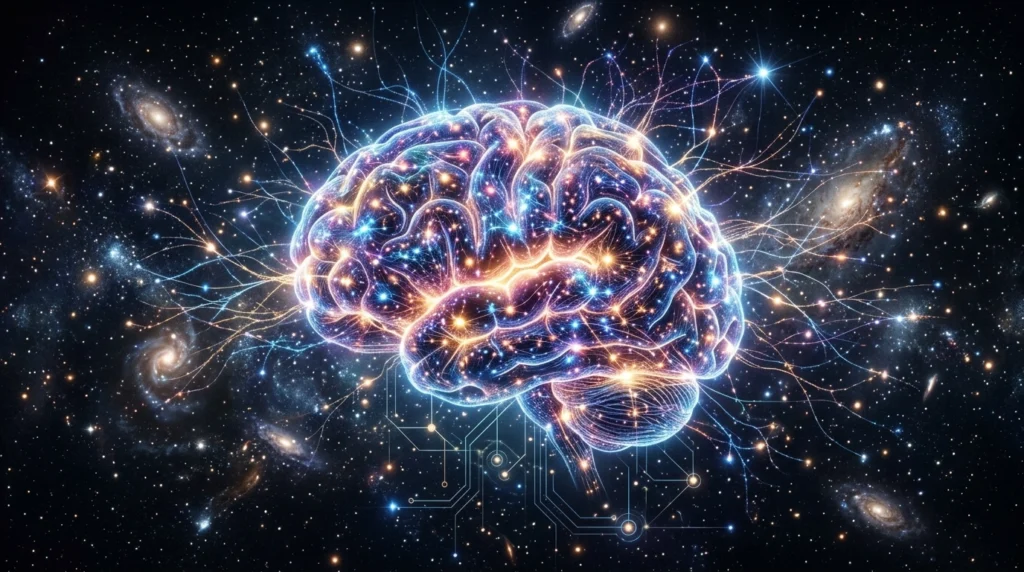
What Is a Metaphor for the Brain?
A metaphor for the brain is a creative comparison that describes how the brain works by saying it is something else.
A metaphor does not mean the brain is literally that object. Instead, it highlights a specific quality.
For example:
- “The brain is a computer.”
This does not mean the brain has wires and circuits. It means the brain processes information, stores memories, and solves problems.
Metaphors make difficult ideas easier to understand.
Common Metaphors for the Brain
The Brain Is a Computer
One of the most common metaphors is comparing the brain to a computer.
A computer receives information, processes data, and produces results. Similarly, the brain takes in experiences, creates thoughts, and helps us make decisions.
Example:
“The brain is a powerful computer that stores a lifetime of memories.”
Meaning:
This metaphor focuses on memory, learning, and information processing.
The Brain Is a Library
The brain can also be compared to a library filled with books.
A library stores knowledge, and the brain stores memories, experiences, and learned information.
Example:
“Her brain was a library full of forgotten stories.”
Meaning:
This suggests a person has many memories and ideas stored inside their mind.
The Brain Is a Garden
A garden needs care, water, and attention to grow. The brain works in a similar way.
Learning new skills, reading, and practicing healthy habits help the mind grow stronger.
Example:
“The brain is a garden where ideas bloom.”
Meaning:
This metaphor shows creativity, growth, and learning.
The Brain Is a Machine
A machine has many parts working together. The brain also has different areas that perform different jobs.
Example:
“His brain was a machine solving problems all day.”
Meaning:
This emphasizes intelligence, focus, and efficiency.
The Brain Is a Control Center
A control center manages important activities. The brain controls movement, emotions, thoughts, and body functions.
Example:
“The brain is the control center of the human body.”
Meaning:
This highlights the brain’s role in managing life.
Why Writers Use Brain Metaphors
They Make Complex Ideas Simple
The brain is difficult to explain because thoughts and emotions are invisible.
Metaphors give people a clear picture.
For example, saying “the brain stores memories” is easy to understand, but saying “the brain is a treasure chest of experiences” creates a stronger image.
They Improve Creative Writing
Writers use metaphors to make descriptions more interesting.
Instead of saying:
“She had many ideas.”
A writer might say:
“Her brain was a storm of creative lightning.”
The second sentence creates a stronger emotional effect.
They Help Students Learn
Teachers often use metaphors to explain science and psychology.
A student may understand the brain better when it is compared to something familiar.
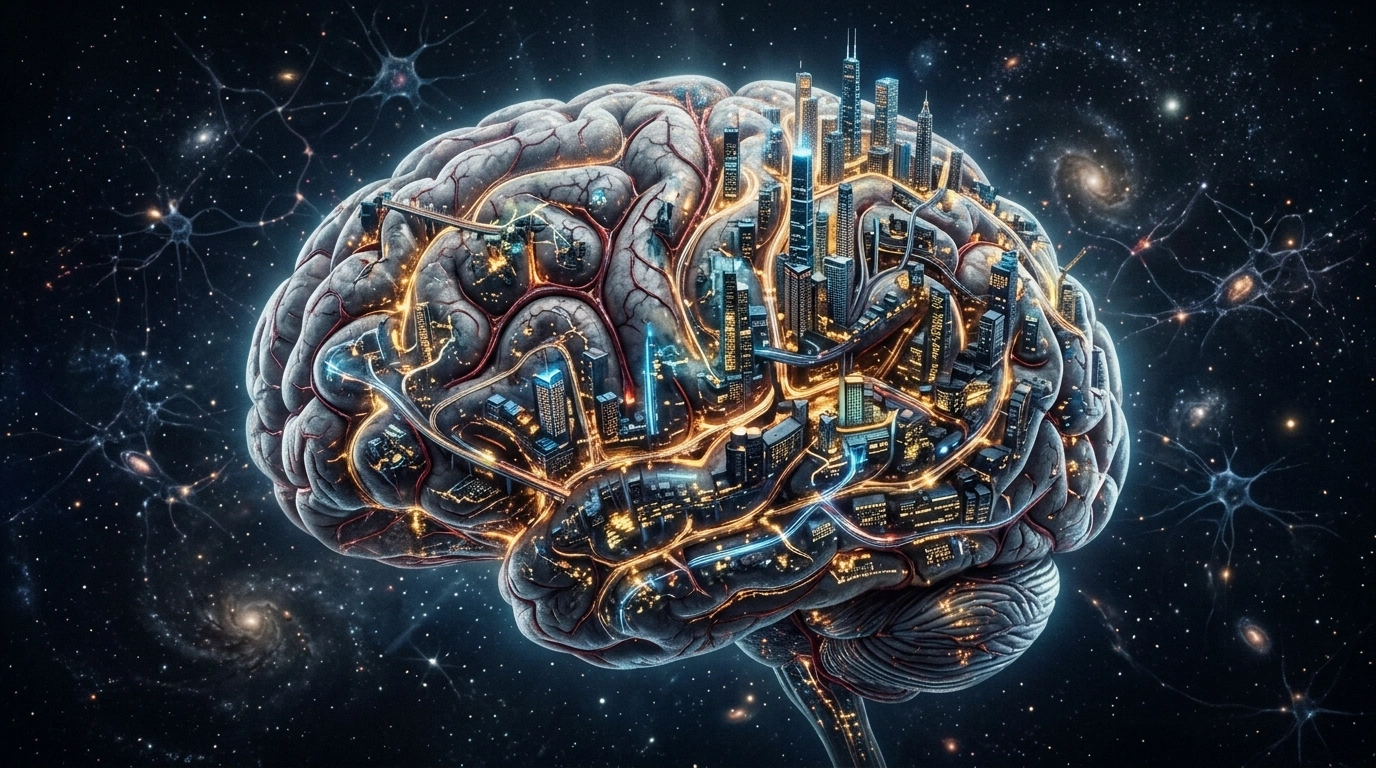
Best Creative Metaphors for the Brain
The Brain Is a Puzzle
This metaphor shows that the brain contains mysteries that people continue to explore.
Example:
“The brain is a puzzle with endless pieces waiting to be discovered.”
The Brain Is an Ocean
An ocean is deep and full of hidden treasures.
Example:
“The brain is an ocean where thoughts swim beneath the surface.”
Meaning:
This represents imagination, emotions, and hidden ideas.
The Brain Is a Treasure Chest
A treasure chest holds valuable items.
Example:
“His brain was a treasure chest filled with knowledge.”
Meaning:
This focuses on wisdom and memories.
The Brain Is a Theater
A theater contains different scenes and performances.
Example:
“The brain is a theater where memories replay every night.”
Meaning:
This connects the brain with imagination and dreams.
The Brain Is a Camera
A camera captures images, while the brain captures experiences.
Example:
“Her brain was a camera recording every moment.”
Meaning:
This highlights observation and memory.
Metaphors for Different Functions of the Brain
Memory Metaphors
- The brain is a storage room.
- The brain is a photo album.
- The brain is a personal archive.
These metaphors describe how the brain keeps information.
Creativity Metaphors
- The brain is a factory of ideas.
- The brain is a fountain of imagination.
- The brain is a canvas of possibilities.
These describe creative thinking.
Learning Metaphors
- The brain is a growing tree.
- The brain is a sponge absorbing knowledge.
- The brain is a classroom of experiences.
These describe personal development.
Simple Metaphors for Students
Students often need easy metaphors they can remember.
Examples:
- The brain is a computer because it processes information.
- The brain is a library because it stores memories.
- The brain is a garden because it grows with learning.
- The brain is a muscle because practice makes it stronger.
- The brain is a map because it guides decisions.
Brain Metaphors in Everyday Language
People use brain metaphors often without noticing.
Examples:
“My mind is overloaded.”
This compares the brain to a machine carrying too much weight.
“That idea sparked in my brain.”
This compares ideas to fire or electricity.
“She has a sharp mind.”
This compares intelligence to a sharp tool.
These expressions make everyday communication more colorful.
How to Create Your Own Brain Metaphors
Creating a metaphor is simple.
Follow these steps:
Choose a Brain Function
Think about what you want to describe.
Examples:
- Memory
- Creativity
- Intelligence
- Emotions
- Learning
Choose a Familiar Object
Pick something people understand.
Examples:
- Garden
- Computer
- Ocean
- Machine
- Book
Connect the Similar Features
Ask what both things have in common.
Example:
Brain + Garden
Both need care and growth.
Metaphor:
“The brain is a garden that grows through learning.”
Practice Activity
Create your own brain metaphors:
- The brain is a ______ because ______.
- My brain is like a ______ filled with ______.
- A creative brain is a ______ where ______.
Examples:
“The brain is a lighthouse because it guides our choices.”
“The brain is a river because thoughts keep flowing.”