
What Is a Metaphor for Sneaky?
A metaphor for sneaky is a figurative comparison that describes someone or something as quiet, secretive, clever, or deceptive by comparing it to another object, animal, or situation.
The comparison is symbolic rather than literal. It highlights qualities like stealth, hidden actions, or unexpected behavior.
For example:
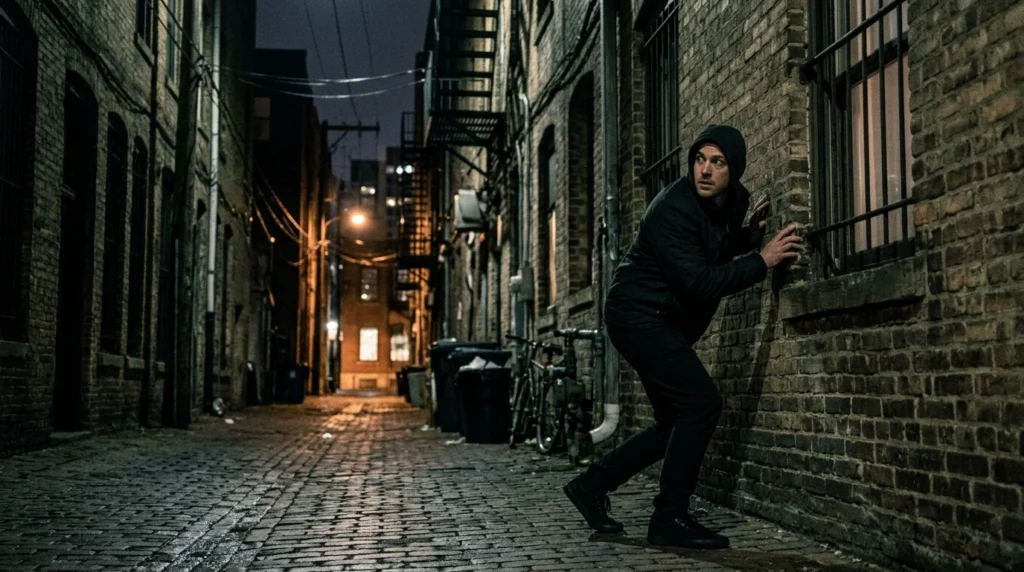
“He was a shadow slipping through the hallway.”
This does not mean the person was an actual shadow. It means they moved quietly and without attracting attention.
Metaphors help readers imagine behavior through strong visual images.
Why Do Writers Use Metaphors for Sneaky Behavior?
They Create Strong Character Descriptions
Sneaky characters often hide their actions or intentions.
A metaphor makes these qualities easier to picture.
They Add Suspense
Comparisons can make readers curious about what a character will do next.
This creates tension and keeps the story interesting.
They Show Different Types of Sneakiness
Sneaky behavior can involve:
- Quiet movement
- Clever planning
- Hidden intentions
- Deception
- Secret actions
- Unexpected surprises
Different metaphors highlight different aspects of sneaky behavior.
Powerful Metaphors for Sneaky
Sneaky Is a Shadow
A shadow moves quietly and often goes unnoticed.
Example:
“He was a shadow moving through the crowd.”
Meaning:
This represents silent movement and secrecy.
Sneaky Is a Fox
A fox is often associated with cleverness and trickery.
Example:
“She was a fox, always finding the smartest way around problems.”
Meaning:
This symbolizes intelligence, cunning, and careful planning.
Sneaky Is a Silent Breeze
A breeze can pass by without anyone noticing.
Example:
“He entered the room like a silent breeze.”
Meaning:
This represents quiet and unnoticed movement.
Sneaky Is a Hidden Snake
A snake often hides before striking.
Example:
“His lies were a hidden snake in the grass.”
Meaning:
This symbolizes hidden danger or deception.
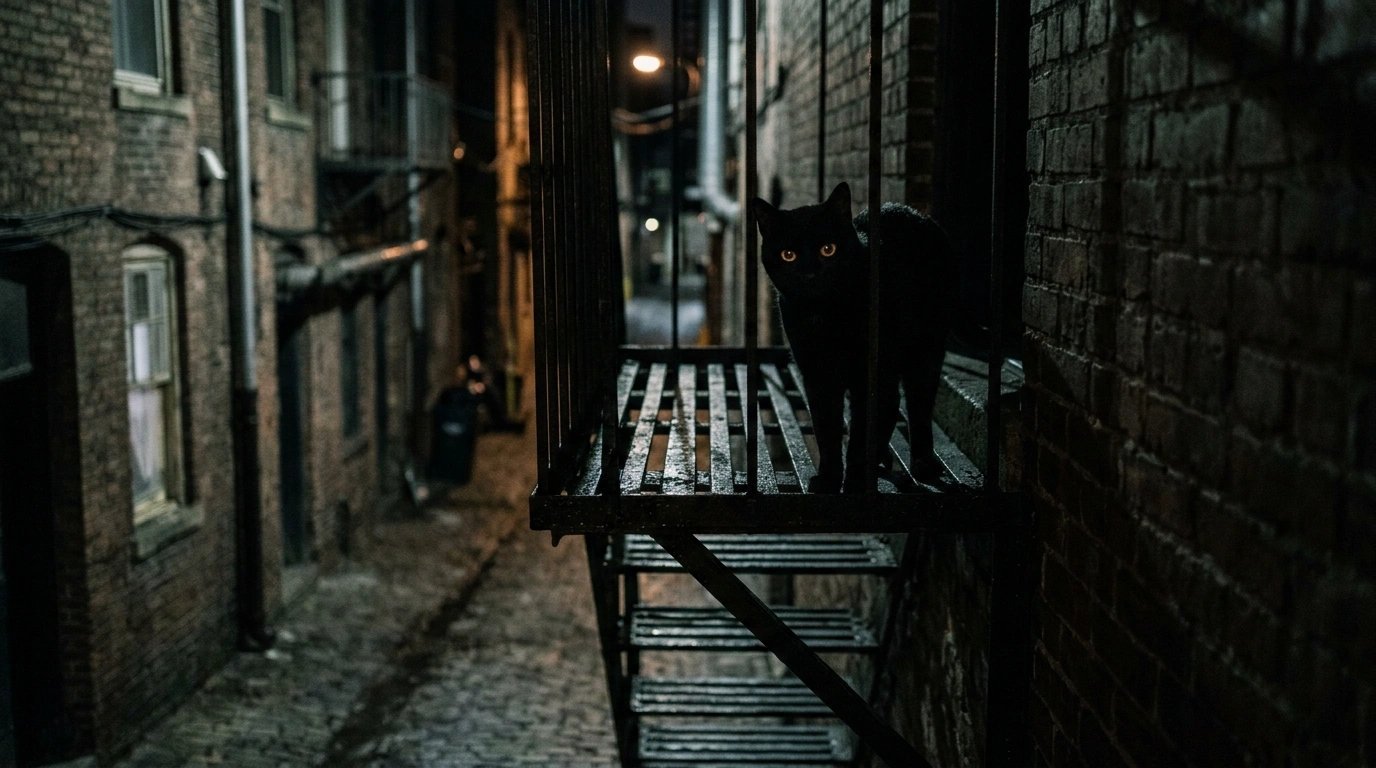
Sneaky Is a Cat in the Night
Cats can move almost silently.
Example:
“She walked like a cat in the night.”
Meaning:
This represents stealth and careful movement.
Sneaky Is a Chameleon
A chameleon changes its appearance to blend into its surroundings.
Example:
“He was a chameleon, changing his behavior to fit every situation.”
Meaning:
This represents adaptability and hiding true intentions.
Sneaky Is a Whisper
A whisper is quiet and difficult to notice.
Example:
“His plan spread through the office like a whisper.”
Meaning:
This symbolizes secrecy and subtle influence.
Comparison Table: Metaphors for Sneaky
| Metaphor | What It Represents | Meaning | Example |
|---|---|---|---|
| Sneaky is a shadow | Silent movement | Quiet and unnoticed actions | “He was a shadow in the hallway.” |
| Sneaky is a fox | Cleverness | Smart and cunning behavior | “She solved it like a fox.” |
| Sneaky is a silent breeze | Quiet presence | Moving without attention | “He slipped in like a breeze.” |
| Sneaky is a snake | Hidden danger | Secretive or deceptive actions | “The rumor was a hidden snake.” |
| Sneaky is a cat | Stealth | Careful and silent movement | “She moved like a night cat.” |
| Sneaky is a chameleon | Adaptability | Hiding true intentions | “He became a chameleon.” |
| Sneaky is a whisper | Secrecy | Quiet communication | “The secret traveled as a whisper.” |
These metaphors describe different forms of sneakiness. Some focus on quiet movement, while others emphasize clever thinking or hidden motives.
Metaphors for Quiet Movement
Sneaky Is Flowing Water
Water moves smoothly around obstacles.
Example:
“He slipped through the crowd like flowing water.”
Meaning:
This represents effortless and quiet movement.
Sneaky Is Falling Snow
Snow falls softly without making much noise.
Example:
“She entered as quietly as falling snow.”
Meaning:
This symbolizes silent arrival.
Sneaky Is Morning Mist
Mist appears gently and often goes unnoticed.
Example:
“He appeared like morning mist.”
Meaning:
This represents subtle movement and mystery.
Metaphors for Clever Deception
Sneaky Is a Magician
A magician hides actions from the audience.
Example:
“He was a magician, distracting everyone from the truth.”
Meaning:
This represents clever deception.
Sneaky Is a Puzzle
A puzzle hides the full picture.
Example:
“Her true intentions were a puzzle.”
Meaning:
This symbolizes mystery and uncertainty.
Sneaky Is a Mask
A mask hides someone’s real face.
Example:
“His smile was a mask covering his plans.”
Meaning:
This represents concealed emotions or intentions.
Positive Metaphors for Sneaky Intelligence
Not every sneaky action is harmful. Sometimes it reflects creativity and strategy.
Cleverness Is a Chess Player
A chess player plans every move carefully.
Example:
“She approached every challenge like a chess player.”
Meaning:
This represents thoughtful strategy.
Wisdom Is an Owl in the Dark
An owl sees clearly at night.
Example:
“He was an owl in the dark, noticing what others missed.”
Meaning:
This symbolizes awareness and careful observation.
Strategy Is a Hidden Map
A hidden map leads to success through planning.
Example:
“Her strategy was a hidden map to victory.”
Meaning:
This represents careful preparation.
Common Expressions Related to Sneaky Behavior
People often use metaphorical language when talking about secretive actions.
Examples include:
- “He slipped under the radar.”
- “She played her cards close to her chest.”
- “The truth was hiding in the shadows.”
- “He had something up his sleeve.”
- “She flew below everyone’s radar.”
These expressions compare sneaky behavior to familiar images that are easy to understand.
How to Create Your Own Metaphor for Sneaky
Decide What Type of Sneaky Behavior You Want to Describe
Think about the main quality.
Examples:
- Quiet movement
- Clever thinking
- Hidden plans
- Secret actions
- Deception
Choose a Familiar Image
Pick something known for those qualities.
Examples:
- Shadow
- Fox
- Cat
- Mist
- Whisper
Connect the Similar Qualities
Find what both have in common.
Example:
Sneaky + Shadow
Both move quietly and are difficult to notice.
Metaphor:
“He was a shadow crossing the room unnoticed.”
Practice Activity
Complete these sentences.
- My character is a ______ because ______.
- The secret moved like a ______.
- His clever plan was a ______.
Examples:
- My character is a shadow because nobody notices him.
- The secret moved like a whisper through the town.
- His clever plan was a hidden map leading to success.