

What Is a Metaphor for a Bad Day?
A metaphor compares one thing to another without using words such as “like” or “as.” It helps explain emotions through familiar images.
When describing a bad day, metaphors often represent stress, disappointment, frustration, setbacks, or emotional struggles.
For example:
- Today was a never-ending storm.
- My morning became a train wreck.
- The whole day felt a steep uphill climb.
These expressions make feelings easier to imagine.
Why Use Metaphors for a Bad Day?
Metaphors make difficult emotions easier to describe.
Add Emotion to Writing
Readers connect more deeply with vivid comparisons.
Make Stories More Interesting
Creative language captures attention and keeps readers engaged.
Explain Feelings Clearly
Metaphors help express frustration without using long explanations.
Improve Creative Writing
Essays, poems, speeches, and novels become more memorable with descriptive imagery.
50 Best Metaphors for a Bad Day
Weather Metaphors
- Dark cloud
- Never-ending storm
- Thunderstorm
- Heavy rain
- Tornado
- Hurricane
- Foggy morning
- Lightning strike
- Cold wind
- Gray sky
Journey Metaphors
- Flat tire
- Dead end
- Roadblock
- Uphill climb
- Wrong turn
- Broken bridge
- Bumpy road
- Traffic jam
- Rocky path
- Lost map
Disaster Metaphors
- Train wreck
- House of cards
- Domino effect
- Sinking ship
- Earthquake
- Cracked dam
- Burning bridge
- Falling tower
- Broken engine
- Crashing wave
Emotional Metaphors
- Heavy backpack
- Roller coaster
- Dark tunnel
- Empty battery
- Broken mirror
- Tight knot
- Heavy chain
- Emotional maze
- Locked door
- Black hole
Everyday Life Metaphors
- Burnt toast
- Tangled headphones
- Flat soda
- Dead battery
- Spilled coffee
- Broken clock
- Jammed zipper
- Empty wallet
- Popped balloon
- Fallen domino
Comparison Table of Bad Day Metaphors
| Metaphor | Meaning | Best Used For |
|---|---|---|
| Dark Cloud | Feeling sad or unlucky | Daily conversations |
| Never-Ending Storm | Continuous problems | Stories and essays |
| Flat Tire | Unexpected setback | Personal experiences |
| Train Wreck | Everything going wrong | Creative writing |
| Dead End | No clear solution | Problem-solving |
| Roller Coaster | Emotional ups and downs | Personal reflections |
| Empty Battery | Feeling exhausted | Work and school |
| Roadblock | Facing obstacles | Motivation |
| Broken Bridge | Interrupted plans | Life challenges |
| Black Hole | Feeling overwhelmed | Emotional writing |
Each metaphor highlights a different type of difficult day. Some focus on emotional struggles, while others describe setbacks, stress, or disappointment.
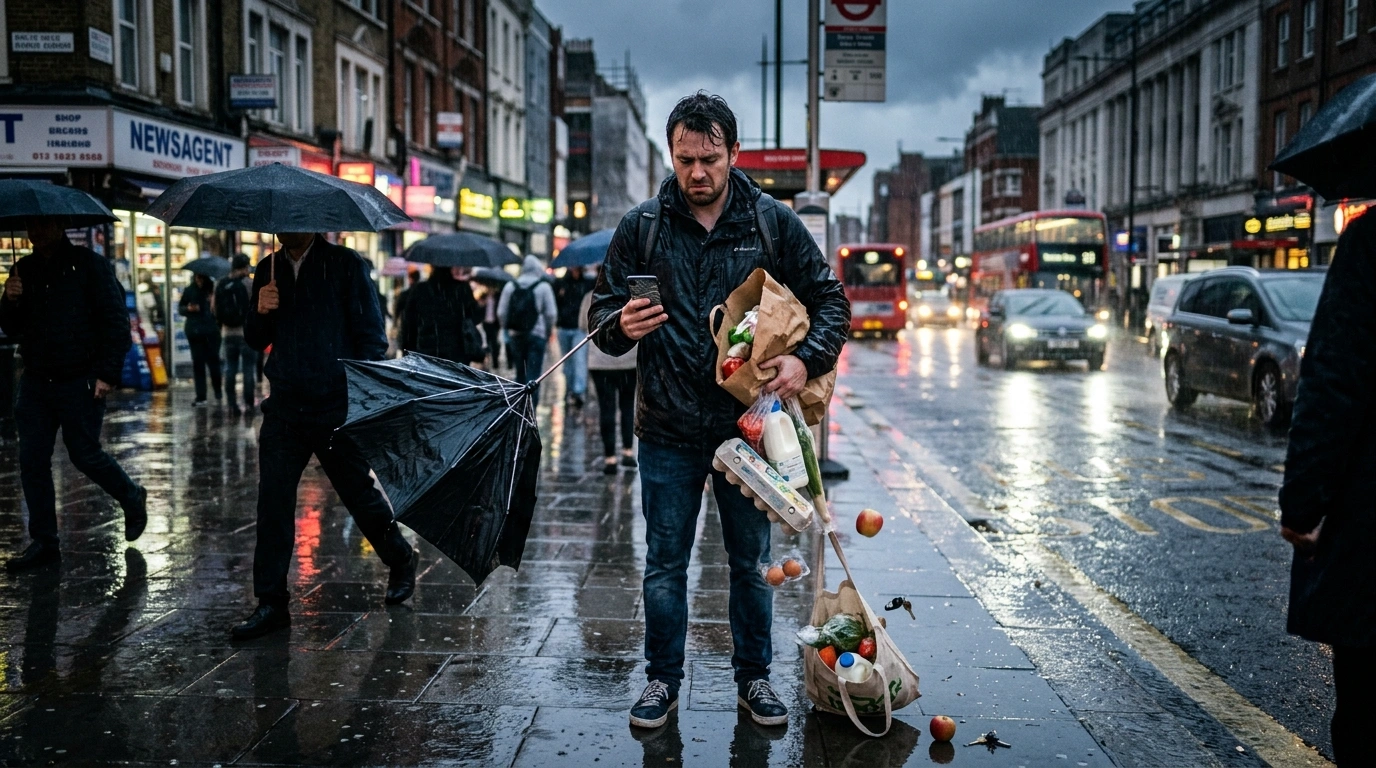
Examples of Bad Day Metaphors in Sentences
- Today felt a never-ending storm from morning until night.
- Missing the interview was a flat tire on my career journey.
- My schedule turned into a train wreck after the first meeting.
- Every problem became another roadblock to success.
- My energy was an empty battery before lunchtime.
- Losing my phone felt a lightning strike on an already difficult day.
- The project became a sinking ship after several mistakes.
- My thoughts wandered through a dark tunnel without a clear answer.
- One mistake created a domino effect of new problems.
- The entire afternoon felt a steep uphill climb.
How to Choose the Right Metaphor
Match the Emotion
Choose a metaphor that reflects how serious the situation feels.
Keep It Relatable
Simple comparisons are easier for readers to understand.
Consider Your Audience
Professional writing may need milder metaphors, while stories allow more dramatic imagery.
Avoid Overusing Metaphors
One strong metaphor often creates a bigger impact than several weak ones.
Common Mistakes to Avoid
Mixing Different Metaphors
Incorrect: My day was a storm driving a broken train.
Correct: My day was a never-ending storm.
Choosing Confusing Images
Pick comparisons that readers recognize immediately.
Making Every Sentence Dramatic
Balance descriptive language with simple writing.
Using the Same Metaphor Repeatedly
Vary your comparisons to keep your writing fresh.
Quick Tips for Writing Better Bad Day Metaphors
- Think about the emotion first.
- Choose familiar images.
- Keep the comparison simple.
- Match the tone of your writing.
- Read your sentence aloud.
- Use one clear metaphor at a time.
- Focus on helping readers picture the feeling.