
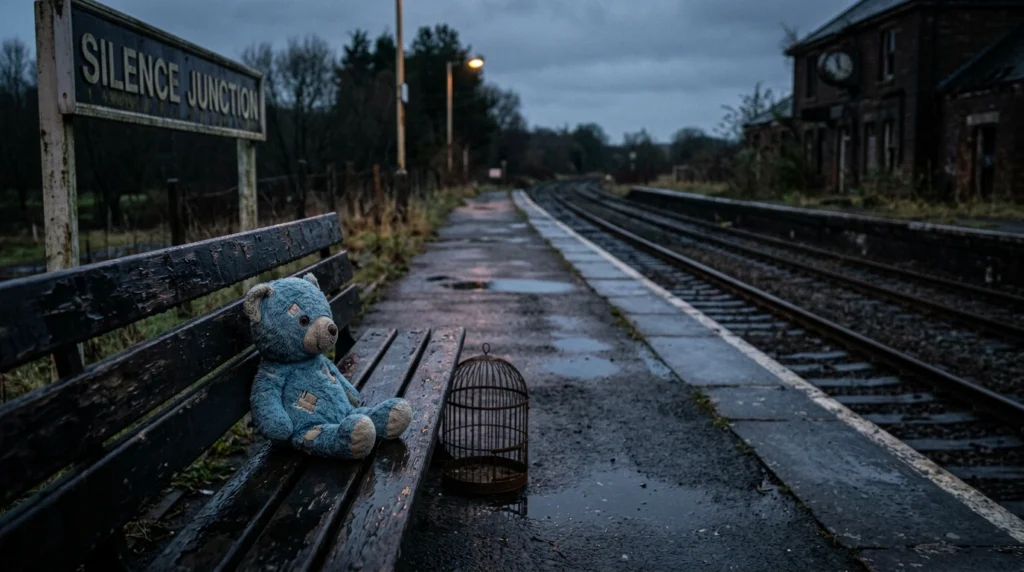
What Is a Metaphor for Abandonment?
A metaphor for abandonment is a figure of speech that compares the experience of being left behind or emotionally isolated to another image or object.
Rather than stating the feeling directly, a metaphor helps readers imagine it through a vivid picture.
Examples
- She was a forgotten lighthouse.
- His heart became an empty house.
- The child felt like a ship without a harbor.
These expressions are symbolic, not literal.
What Does Abandonment Mean?
Abandonment is the feeling or act of being left behind, rejected, or without support.
It may refer to physical separation, emotional distance, or the loss of someone important. The feeling can appear in relationships, stories, or major life changes.
Examples
- He struggled with feelings of abandonment after moving away from his family.
- The old building stood abandoned for years.
- She feared being left alone.
Best Metaphors for Abandonment
| Metaphor | Meaning | Example |
|---|---|---|
| Empty house | Loneliness and absence | His heart became an empty house. |
| Forgotten lighthouse | No longer noticed or needed | She felt like a forgotten lighthouse. |
| Ship without a harbor | No place to belong | He was a ship without a harbor. |
| Fallen leaf | Separated from its source | She drifted like a fallen leaf. |
| Desert island | Complete isolation | After the breakup, he lived on a desert island of emotions. |
| Broken bridge | Lost connection | Their friendship became a broken bridge. |
| Fading echo | Feeling unseen or unheard | Her voice was a fading echo. |
| Empty nest | A place left behind | The family home became an empty nest. |
| Wilted flower | Love or care has disappeared | She felt like a wilted flower. |
| Unclaimed suitcase | Forgotten and waiting | He felt like an unclaimed suitcase. |
Each metaphor highlights a different part of abandonment, such as loneliness, rejection, or emotional separation.
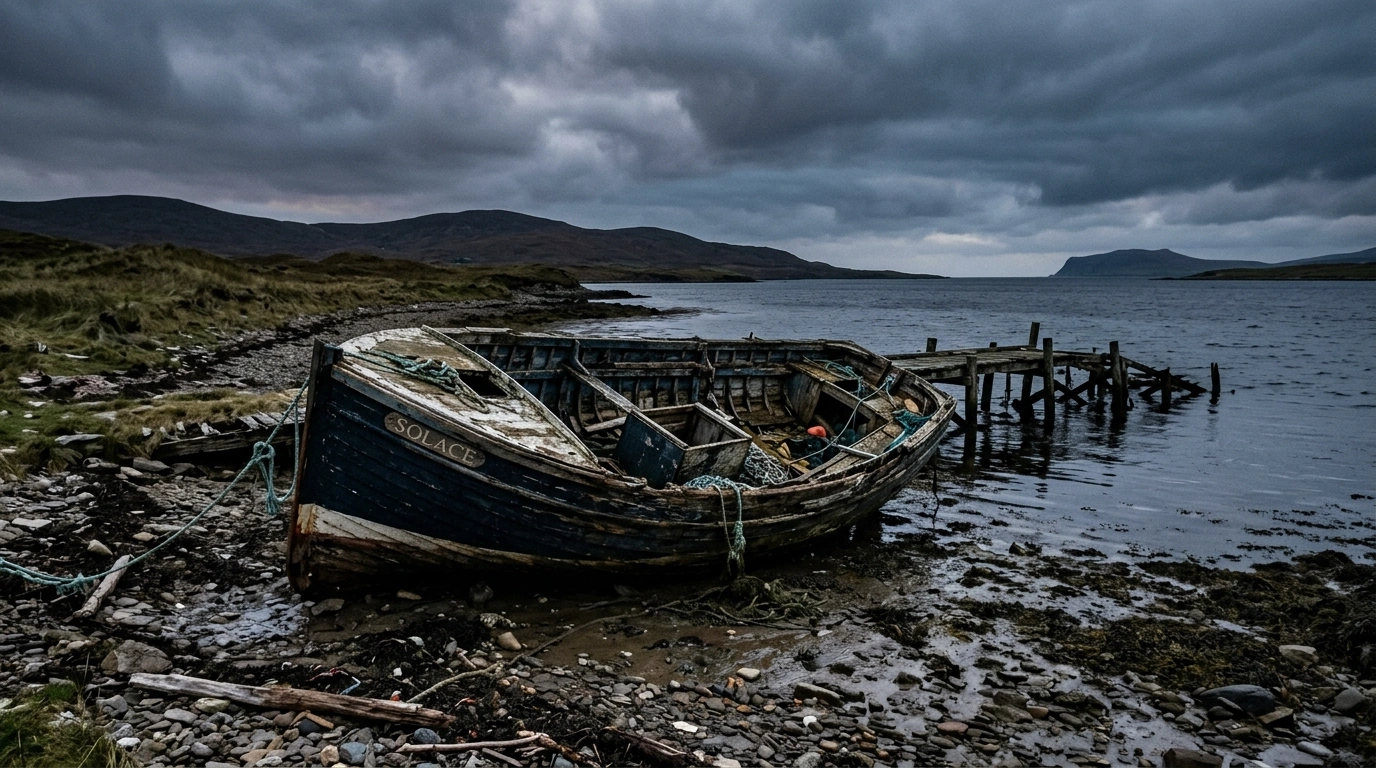
Metaphor for Abandonment vs Simile
Metaphors and similes both compare ideas, but they are formed differently.
| Feature | Metaphor | Simile |
| Direct comparison | ✅ Yes | ❌ No |
| Uses “like” or “as” | ❌ No | ✅ Yes |
| Example | His heart was an empty house. | His heart was like an empty house. |
| Effect | More vivid | More direct |
A metaphor states that one thing is another. A simile compares them using like or as.
Real-Life Examples
Conversation 1
Person A: How did she feel after everyone moved away?
Person B: She became an empty house.
Lesson: The metaphor suggests deep loneliness.
Conversation 2
Person A: Why does he seem lost?
Person B: He’s a ship without a harbor.
Lesson: It describes someone searching for belonging.
Conversation 3
Person A: Why is their friendship over?
Person B: It’s a broken bridge now.
Lesson: The connection has been lost.
Conversation 4
Person A: Why doesn’t anyone visit the old teacher?
Person B: He’s a forgotten lighthouse.
Lesson: The metaphor expresses being overlooked.
Conversation 5
Person A: She hardly speaks anymore.
Person B: Her voice is a fading echo.
Lesson: It suggests feeling unheard.
Conversation 6
Person A: How did he feel after the divorce?
Person B: He lived on a desert island.
Lesson: The metaphor emphasizes isolation.
Conversation 7
Person A: Why is she so quiet?
Person B: She’s a wilted flower.
Lesson: It reflects emotional pain and loss of care.
When Should You Use a Metaphor for Abandonment?
These metaphors help express emotional experiences in a thoughtful and memorable way.
You can use them in:
- Stories
- Poems
- Novels
- Personal essays
- Speeches
- Journals
- Character descriptions
- Song lyrics
- Creative writing
- Literary analysis
Choose a metaphor that fits the emotion and context of your writing.
Common Mistakes
Incorrect
He literally became an island.
Correct
He felt like a desert island.
Explanation: The comparison is symbolic.
Incorrect
She was a broken road.
Correct
She felt like a broken bridge.
Explanation: A bridge naturally represents connection.
Incorrect
His heart was an empty chair.
Correct
His heart was an empty house.
Explanation: The image of an empty house creates a stronger sense of abandonment.
Incorrect
She was a dying tree.
Correct
She was a wilted flower.
Explanation: This metaphor more clearly expresses emotional neglect.
Incorrect
He became luggage.
Correct
He felt like an unclaimed suitcase.
Explanation: The complete metaphor shows being forgotten.
Incorrect
The friendship became a closed window.
Correct
The friendship became a broken bridge.
Explanation: A broken bridge better symbolizes a lost relationship.
Incorrect
She was a lonely echo.
Correct
She became a fading echo.
Explanation: The fading image suggests disappearing attention and connection.
Quick Memory Trick
Think of this simple idea:
Abandonment often feels like being left without a place to belong.
Remember these easy metaphors:
- Empty house = loneliness
- Ship without a harbor = no safe place
- Broken bridge = lost connection
- Forgotten lighthouse = overlooked
- Wilted flower = neglected
Picture each image to remember its emotional meaning.
Practice Quiz
1. Which metaphor best represents loneliness?
A. Empty house
B. Bright rainbow
C. Open field
D. Tall mountain
Answer: A
2. Which metaphor suggests losing a connection?
A. Broken bridge
B. Golden road
C. Silver coin
D. Open gate
Answer: A
3. Which metaphor represents feeling forgotten?
A. Forgotten lighthouse
B. Busy market
C. Fresh garden
D. Warm fire
Answer: A
4. Which metaphor means having no place to belong?
A. Ship without a harbor
B. Flying bird
C. Rolling stone
D. Open book
Answer: A
5. Why do writers use metaphors for abandonment?
A. To express emotions with vivid images
B. To make grammar harder
C. To avoid punctuation
D. To lengthen sentences
Answer: A