
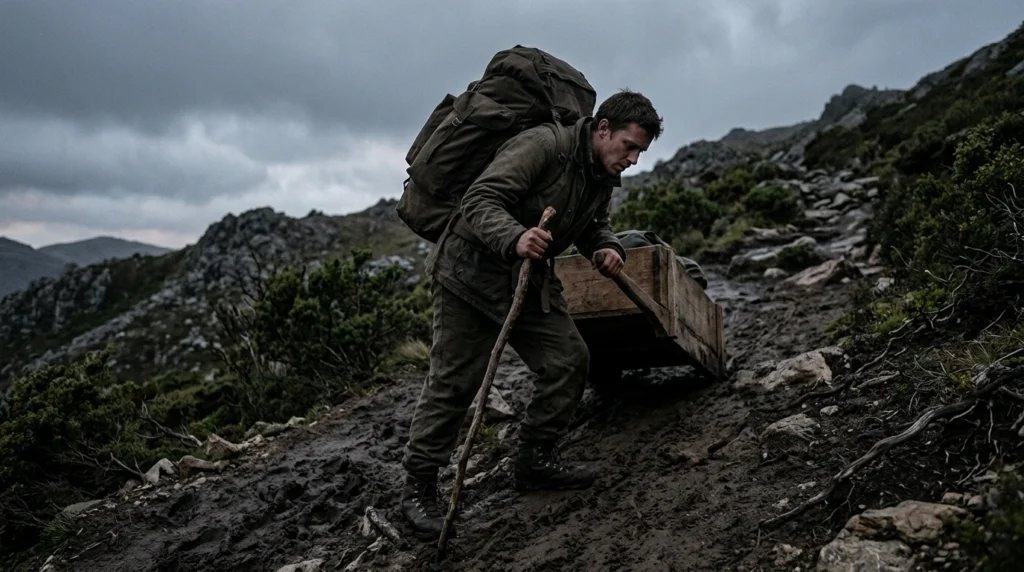
What Is an Ordeal?
First, let us understand the word “ordeal.”
An ordeal is a very difficult or painful experience. It is something that tests your patience, your strength, or your courage.
For example, a long illness is an ordeal. A difficult exam is an ordeal. Surviving a natural disaster is an ordeal. These are the moments in life that challenge us the most.
Sometimes, we need to describe these experiences. We need to share them with friends, family, or colleagues. And metaphors help us do that.
Why Do We Need Metaphors for Difficult Ordeals?
There are several important reasons.
First, metaphors express emotion. When you say “it was like climbing a mountain,” you are not just describing a task. You are describing a struggle. You are describing effort. You are describing exhaustion. The listener can feel your emotion.
Second, metaphors create understanding. If you have never experienced something, it can be hard to understand. But metaphors bridge that gap. They help others connect with your experience.
Third, metaphors are memorable. A good metaphor stays in the mind. Your listener will remember your story. They will remember how you felt.
Fourth, metaphors make your English more natural. Native speakers use metaphors constantly. Learning them helps you sound like a native speaker.
Fifth, metaphors provide comfort. When you share your struggle with others, metaphors help you explain it clearly. This can be healing and comforting.
The Most Common Metaphors for Difficult Ordeals
Here are the most popular metaphors native speakers use. Each one has a slightly different meaning.
A Rollercoaster Ride
This is a very common metaphor for an emotional experience.
Meaning: An experience with many ups and downs, both good and bad.
Example:
“My recovery from surgery was a rollercoaster ride.”
When to use: Use this when an experience has many emotional highs and lows.
An Uphill Battle
This metaphor describes something that requires constant effort.
Meaning: A difficult struggle that never seems to get easier.
Example:
“Finding a job during the recession was an uphill battle.”
When to use: Use this when you are fighting against difficult circumstances.
A Bumpy Road
This metaphor describes a journey with many problems.
Meaning: A difficult journey or process with many obstacles.
Example:
“Their marriage hit a bumpy road after the financial crisis.”
When to use: Use this when things do not go smoothly.
A Mountain to Climb
This metaphor describes a very difficult challenge.
Meaning: A huge, difficult task that takes great effort.
Example:
“Getting my degree while working full-time was a mountain to climb.”
When to use: Use this for long-term, demanding challenges.
A Stormy Sea
This metaphor describes a very turbulent situation.
Meaning: A dangerous, chaotic, and unpredictable situation.
Example:
“The company navigated a stormy sea during the pandemic.”
When to use: Use this when everything feels chaotic and out of control.
Walking Through Fire
This metaphor describes a painful, intense experience.
Meaning: Going through a very painful or difficult situation.
Example:
“She walked through fire to get her children to safety.”
When to use: Use this for extreme, life-threatening, or very painful experiences.
A Trial by Fire
This metaphor describes a difficult learning experience.
Meaning: A difficult experience that teaches you a lot.
Example:
“My first year as a teacher was a trial by fire.”
When to use: Use this when you are thrown into a difficult situation and must learn quickly.
A Dark Tunnel
This metaphor describes a period of suffering with no end in sight.
Meaning: A long, difficult period with no hope or light.
Example:
“During my depression, I felt like I was in a dark tunnel.”
When to use: Use this for very dark, hopeless times.
Light at the End of the Tunnel
This is the positive counterpart to the previous metaphor.
Meaning: Hope or relief after a long, difficult period.
Example:
“After months of treatment, I finally saw light at the end of the tunnel.”
When to use: Use this when things are starting to get better.
A Crucible
This is a more formal metaphor for a difficult experience.
Meaning: A severe test or trial that strengthens you.
Example:
“War was a crucible that changed him forever.”
When to use: Use this in formal writing or speeches.
A Slog
This metaphor describes slow, difficult work.
Meaning: A long, tiring, and difficult effort.
Example:
“The last few miles of the race were a real slog.”
When to use: Use this when progress is very slow and exhausting.
A Grind
This is similar to “a slog.”
Meaning: A long, boring, and difficult routine.
Example:
“Working in that factory was a daily grind.”
When to use: Use this for repetitive, tiring work.
A Nightmare
This is a direct metaphor for a very bad experience.
Meaning: A very unpleasant, frightening, or difficult experience.
Example:
“The whole court case was a nightmare.”
When to use: Use this for extremely negative experiences.
A Battle
This is a very common metaphor for any difficult struggle.
Meaning: A difficult struggle against something.
Example:
“She is fighting a battle against cancer.”
When to use: Use this for any serious struggle.
A Struggle
This is a direct word for an ordeal.
Meaning: A difficult effort to achieve something.
Example:
“Learning English is a struggle, but it is worth it.”
When to use: Use this for any difficult experience.
A Journey
This metaphor frames a difficult experience as a journey.
Meaning: The process of going through a difficult experience.
Example:
“My journey to recovery was long and difficult.”
When to use: Use this for long-term, transformative experiences.
A Weight
This metaphor describes the burden of a difficult experience.
Meaning: A heavy burden or responsibility.
Example:
“The grief was a weight on her shoulders.”
When to use: Use this for emotional burdens.
A Burden
This is similar to “a weight.”
Meaning: Something heavy and difficult to carry.
Example:
“Caring for her sick mother was a burden.”
When to use: Use this for responsibilities that feel overwhelming.
A Test
This metaphor frames an ordeal as a challenge to prove yourself.
Meaning: A difficult situation that tests your strength.
Example:
“The exam was a real test of my knowledge.”
When to use: Use this for challenges that require skill and endurance.
A Fire
This metaphor describes a painful, purifying experience.
Meaning: A painful experience that changes or strengthens you.
Example:
“The criticism was a fire that made me stronger.”
When to use: Use this for experiences that are painful but transformative.
A Valley
This metaphor describes a low point in life.
Meaning: A period of depression, difficulty, or sadness.
Example:
“He is walking through a dark valley right now.”
When to use: Use this for periods of depression or loss.
A Quicksand
This metaphor describes a situation that pulls you down.
Meaning: A situation that becomes increasingly difficult to escape.
Example:
“His debt was like quicksand. The more he struggled, the deeper he sank.”
When to use: Use this for situations that trap you and make things worse.
Complete Comparison Table of Metaphors
| Metaphor | Meaning | Example Sentence |
|---|---|---|
| A Rollercoaster Ride | An experience with many ups and downs | My recovery was a rollercoaster ride. |
| An Uphill Battle | A difficult struggle that never gets easier | Finding a job was an uphill battle. |
| A Bumpy Road | A journey with many problems | Their marriage hit a bumpy road. |
| A Mountain to Climb | A huge, difficult challenge | Getting a degree was a mountain to climb. |
| A Stormy Sea | A chaotic, unpredictable situation | The company navigated a stormy sea. |
| Walking Through Fire | A painful, intense experience | She walked through fire to save her family. |
| A Trial by Fire | A difficult learning experience | My first job was a trial by fire. |
| A Dark Tunnel | A long, hopeless period | I felt like I was in a dark tunnel. |
| Light at the End of the Tunnel | Hope after a difficult period | I finally saw light at the end of the tunnel. |
| A Crucible | A severe test that strengthens you | The experience was a crucible. |
| A Slog | A long, tiring effort | The project was a real slog. |
| A Grind | A boring, difficult routine | Working there was a daily grind. |
| A Nightmare | A very bad, frightening experience | The court case was a nightmare. |
| A Battle | A difficult struggle | She is fighting a battle against cancer. |
| A Struggle | A difficult effort | Learning English is a struggle. |
| A Journey | The process of going through an ordeal | My journey to recovery was long. |
| A Weight | A heavy emotional burden | Grief was a weight on her shoulders. |
| A Burden | Something heavy to carry | Caring for her mother was a burden. |
| A Test | A challenge that tests your strength | The exam was a test of my knowledge. |
| A Fire | A painful, transformative experience | The criticism was a fire that changed me. |
| A Valley | A low point in life | He is walking through a dark valley. |
| A Quicksand | A situation that traps you | His debt was like quicksand. |
Real-Life Examples (7 Conversations)
Let us see these metaphors in action. These are realistic conversations.
Example 1: Health
Person A: “How is your treatment going?”
Person B: “It is a rollercoaster ride. Some days I feel great. Other days, I feel terrible.”
Person A: “I am sorry to hear that.”
Person B: “But I finally see light at the end of the tunnel.”
Lesson: Health journeys often have many ups and downs.
Example 2: Work
Person A: “How was your first week at the new job?”
Person B: “It was a trial by fire. They threw me into the deep end.”
Person A: “Did you survive?”
Person B: “Barely. But I learned a lot.”
Lesson: New jobs can be overwhelming at first.
Example 3: Relationships
Person A: “How are you and Sarah doing?”
Person B: “We hit a bumpy road after the argument.”
Person A: “I hope you can fix things.”
Person B: “We are trying. It is an uphill battle.”
Lesson: Relationships take constant effort.
Example 4: Financial Problems
Person A: “How are you managing the debt?”
Person B: “It is like quicksand. The more I pay, the more I owe.”
Person A: “That sounds terrible.”
Person B: “It is a nightmare.”
Lesson: Financial problems can feel trapping.
Example 5: Grief
Person A: “How are you feeling after your mother’s passing?”
Person B: “Grief is a weight on my shoulders. I carry it every day.”
Person A: “It takes time to heal.”
Person B: “I know. I am just taking it one day at a time.”
Lesson: Grief is a heavy emotional burden.
Example 6: Education
Person A: “How is your PhD going?”
Person B: “It is a mountain to climb. The research is endless.”
Person A: “But you are almost done.”
Person B: “Yes. I can see the summit.”
Lesson: Long educational goals require great effort.
Example 7: Personal Growth
Person A: “Why did you travel alone for six months?”
Person B: “I wanted to challenge myself. It was a fire that changed me.”
Person A: “Was it difficult?”
Person B: “It was painful. But it made me stronger.”
Lesson: Difficult experiences can be transformative.
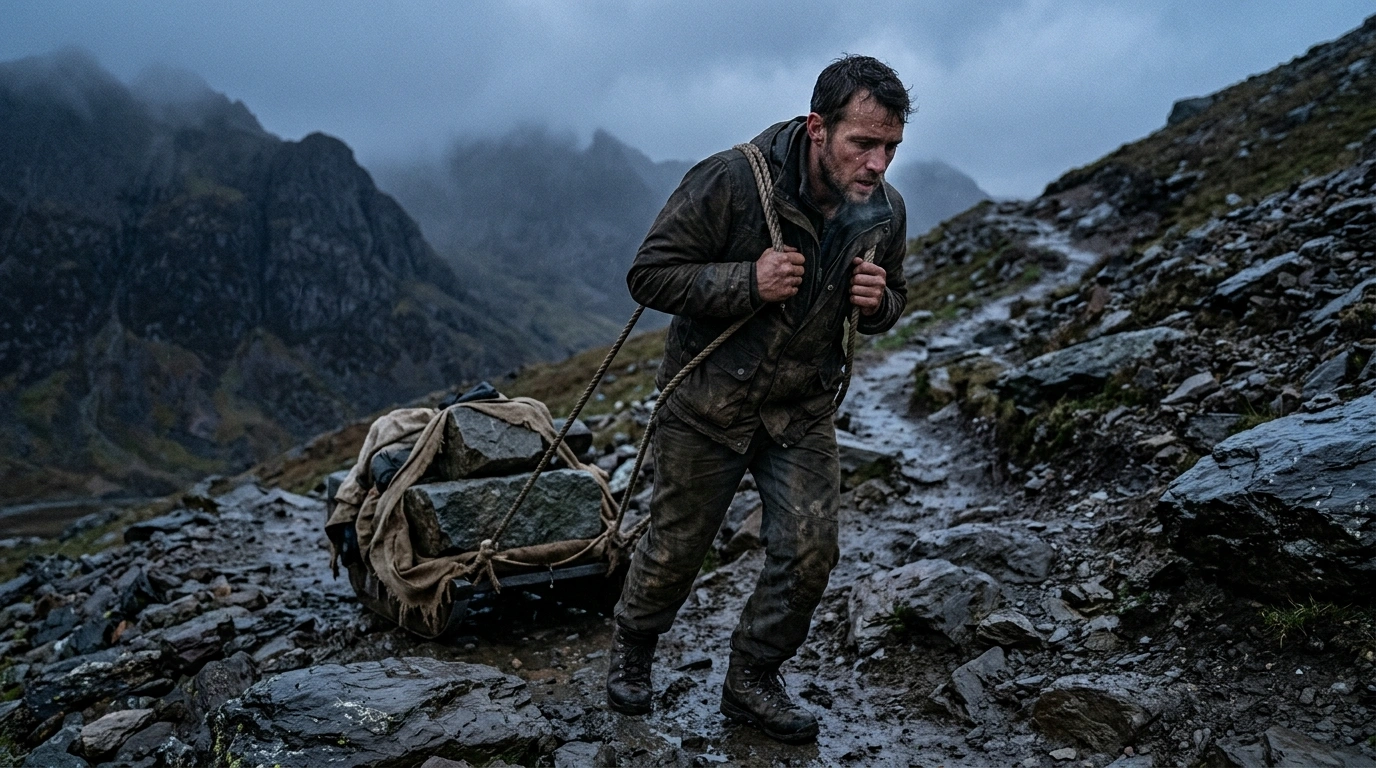
When Should You Use These Metaphors?
You can use these metaphors in many situations.
During Difficult Times
When you are going through a hard time, these metaphors help you express your feelings. They help you explain your experience to others.
Example:
“This year has been a stormy sea. Nothing has gone smoothly.”
When Comforting Others
When someone else is going through an ordeal, these metaphors help you show empathy. They show that you understand their struggle.
Example:
“I know it is an uphill battle. But you are strong.”
In Stories and Writing
These metaphors make your writing more powerful. They create vivid images in the reader’s mind.
Example:
“She walked through fire to achieve her dreams.”
In Formal Speeches
Some metaphors, like “crucible” and “journey,” are appropriate for formal speeches. They sound professional and powerful.
Example:
“Our nation has faced a crucible of challenges.”
In Everyday Conversation
You can use any of these metaphors in daily life. They make your English more colorful.
Example:
“That project was a real slog. I am glad it is over.”
Common Mistakes to Avoid
Now let us look at some common errors.
Mistake 1: Using the Wrong Intensity
Incorrect:
“I dropped my phone. It was walking through fire.”
Correct:
“I dropped my phone. It was a pain.”
Explanation: “Walking through fire” is for extreme situations only.
Mistake 2: Mixing Metaphors
Incorrect:
“This project is a mountain to climb in a stormy sea.”
Correct:
“This project is a mountain to climb.”
Explanation: Stick to one metaphor at a time.
Mistake 3: Using Metaphors Casually
Incorrect:
“My coffee was cold. It was a nightmare.”
Correct:
“My coffee was cold. That is annoying.”
Explanation: Do not use strong metaphors for small problems.
Mistake 4: Taking Metaphors Literally
Incorrect:
“Is there really a mountain?”
Correct:
“No, it is just a metaphor.”
Explanation: Remember, these are figures of speech.
Mistake 5: Overusing Metaphors
Incorrect:
“Life is a rollercoaster, a mountain, and a battle all at once.”
Correct:
“Life is a rollercoaster.”
Explanation: One powerful metaphor is better than many.
Quick Memory Trick
Think of a journey. Imagine you are walking up a steep hill. That is an uphill battle. Every step is hard.
Now imagine you are on a road. The road is full of holes and bumps. That is a bumpy road. The journey is not smooth.
Now imagine you are in a tunnel. It is dark. You cannot see the end. That is a dark tunnel. But if you keep walking, you see a light. That is light at the end of the tunnel.
Finally, imagine you are in a boat in the middle of a storm. The waves are huge. That is a stormy sea.
Use these images to remember the metaphors.
Practice Quiz (Interactive Section)
Test your knowledge. Choose the correct metaphor for each sentence.
Question 1:
“The project had so many problems. It was a _____.”
A) Rollercoaster ride
B) Bumpy road
C) Mountain to climb
Answer: B) Bumpy road.
Question 2:
“Recovering from surgery was exhausting. It was an _____.”
A) Uphill battle
B) Stormy sea
C) Trial by fire
Answer: A) Uphill battle.
Question 3:
“After months of searching, I finally got a job. I saw _____.”
A) Light at the end of the tunnel
B) A dark tunnel
C) A quicksand
Answer: A) Light at the end of the tunnel.
Question 4:
“The first year of teaching was overwhelming. It was a _____.”
A) Slog
B) Trial by fire
C) Grind
Answer: B) Trial by fire.
Question 5:
“His debt kept growing. It was like _____.”
A) A weight
B) A burden
C) Quicksand
Answer: C) Quicksand.