
What Is a Metaphor for Forgotten?
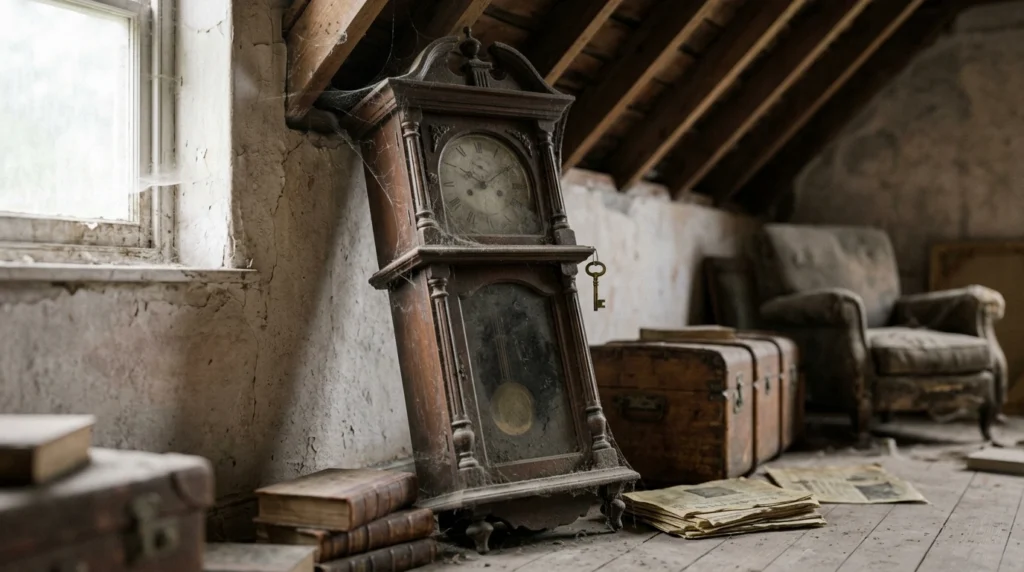
A metaphor for forgotten is a comparison where forgetting or being ignored is described as something else without using “like” or “as.”
It helps show how memory disappears or how someone becomes unimportant in a creative way.
For example:
- “He was a shadow in the crowd.”
- “Her name became dust in old books.”
These do not mean real dust or shadows. They show emotional distance and loss of memory.
Why Use Metaphors for Forgotten?
Writers use these metaphors to:
- Show emotional distance in a clear way
- Make stories more powerful
- Help readers feel sadness or loss
- Improve creative writing skills
- Express memory loss or neglect simply
Metaphors turn a basic idea into a strong image.
Comparison Table Metaphor for Forgotten
| Metaphor | Meaning | Emotion Type | Example |
|---|---|---|---|
| Fading photograph | Memory slowly disappears | Sadness | His childhood was a fading photograph |
| Dusty book | Something ignored for long time | Neglect | She felt like a dusty book on a shelf |
| Empty room | No memory or presence | Loneliness | His mind was an empty room |
| Broken record | Repeated but not remembered | Frustration | Her voice was a broken record |
| Lost key | Forgotten importance | Confusion | His past was a lost key |
Powerful Metaphors for Forgotten
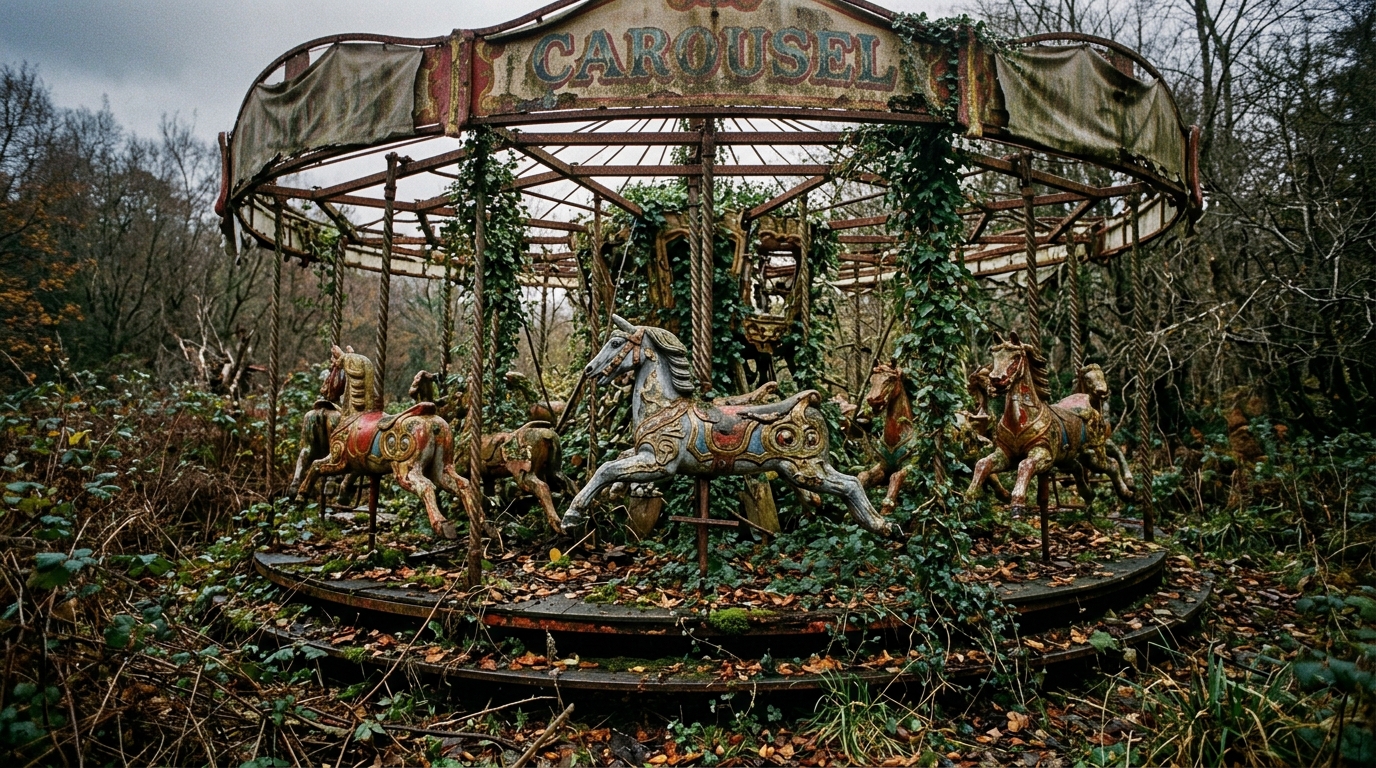
1. A Fading Photograph
Memory slowly disappearing over time.
His name became a fading photograph in her mind.
2. A Dusty Book on a Shelf
Something ignored and untouched.
She felt like a dusty book no one reads.
3. An Empty Room
No memory or emotional presence left.
His childhood felt like an empty room.
4. A Broken Record
Something repeated but not remembered.
Her advice became a broken record.
5. A Lost Key
Something important but missing.
His identity felt like a lost key.
6. A Vanished Shadow
Completely disappeared from memory.
He was a vanished shadow in their lives.
7. A Burned Letter
A message destroyed or erased from memory.
Her promises were a burned letter.
8. A Closed Door
No access to past memories.
The truth became a closed door.
9. A Blank Page
Nothing left to remember.
His past was a blank page.
10. A Forgotten Song
Something once loved but no longer remembered.
She became a forgotten song.
11. A Broken Mirror
Memory that no longer reflects truth.
His identity was a broken mirror.
12. A Hidden Photograph
Memory stored but never seen.
Their friendship became a hidden photograph.
13. A Silent Room
No memory, no sound, no trace.
Her past felt like a silent room.
14. A Buried Treasure
Something lost deep in memory.
His childhood was a buried treasure.
15. A Faded Letter
Old memory losing meaning.
Their love became a faded letter.
16. A Lost City
Completely unreachable memory.
Her dreams became a lost city.
17. A Broken Clock
Time and memory stopped working.
His past was a broken clock.
18. A Drifting Cloud
Memory slowly moving away.
Her name became a drifting cloud.
19. A Closed Book
Something unread and forgotten.
His story became a closed book.
20. A Silent Echo
Memory that no longer responds.
Their laughter became a silent echo.
When to Use Metaphors for Forgotten
You can use these in:
- Story writing
- Poetry
- Emotional essays
- Journals
- Speeches
- Creative English writing
- Describing memory loss
- Talking about past relationships
Common Mistakes
- Using too many metaphors in one sentence
- Mixing different images together
- Using complex words for simple ideas
- Forgetting emotional context
- Writing unclear comparisons
- Repeating the same metaphor
- Using literal instead of emotional meaning
Quick Memory Trick
Think like this:
- Forgetting = fading away
- Memory = objects left behind
- Lost past = empty space
Simple idea:
“If memory disappears, imagine it as something fading or broken.”
Practice Quiz
1. What does “dusty book” mean?
A) New memory
B) Forgotten memory
C) Happy memory
D) Fast memory
Answer: B
2. “Empty room” means:
A) Full memory
B) No memory
C) Loud memory
D) Bright memory
Answer: B
3. “Fading photograph” shows:
A) Strong memory
B) Disappearing memory
C) Fresh memory
D) Funny memory
Answer: B
4. “Closed book” means:
A) Open past
B) Forgotten story
C) New idea
D) Active memory
Answer: B
5. “Silent echo” represents:
A) Loud voice
B) Memory that fades
C) Happy sound
D) Music
Answer: B