

What Is a Metaphor for Leadership Style?
A metaphor for leadership style is a creative comparison that describes how a leader behaves using images from nature, objects, or roles.
It shows leadership qualities like:
- Guidance
- Control
- Protection
- Inspiration
- Decision-making
For example:
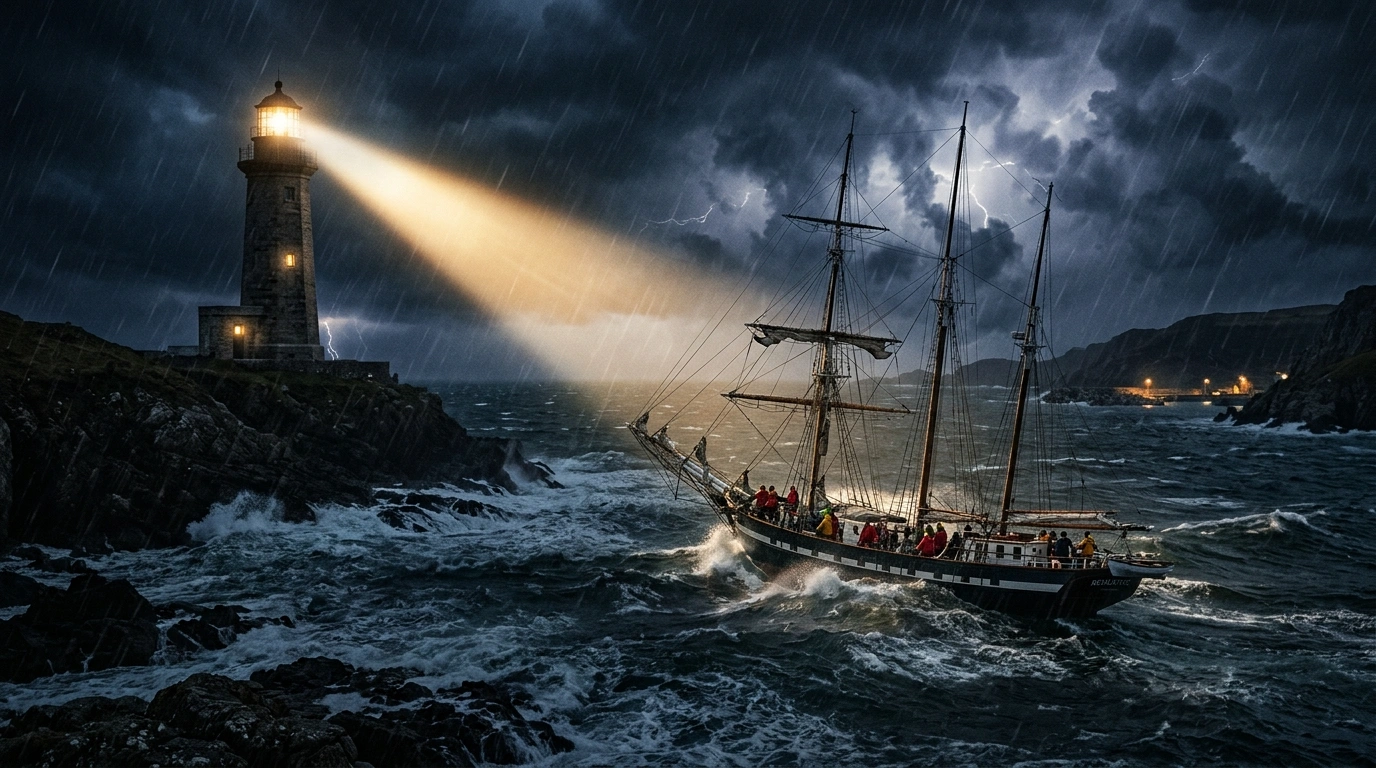
- “He is a ship captain in a storm.”
- “She is a lighthouse for her team.”
These metaphors help explain leadership in a simple and powerful way.
Why Do Writers Use Leadership Metaphors?
Writers use these metaphors because they:
- Make leadership ideas easier to understand
- Show emotional strength or calmness
- Improve speeches and essays
- Help readers visualize leadership roles
- Add creativity to business or academic writing
- Explain abstract ideas simply
Leadership is abstract, so metaphors make it concrete.
Comparison Table Metaphor for Leadership Style
| Metaphor | Meaning | Leadership Type | Example |
|---|---|---|---|
| Ship Captain | Guides team through challenges | Strong leadership | He is a captain in tough times |
| Lighthouse | Provides direction | Visionary leader | She is a lighthouse for her team |
| Coach | Trains and motivates | Supportive leader | He leads like a coach |
| Bridge Builder | Connects people | Collaborative leader | She is a bridge builder |
| Lion Leader | Strong and protective | Powerful leader | He leads like a lion |
Powerful Metaphors for Leadership Style
Ship Captain
A leader who guides through challenges.
He is a captain steering his team.
Lighthouse
A leader who gives direction and hope.
She is a lighthouse in confusion.
Coach
A leader who trains and motivates.
He leads like a sports coach.
Bridge Builder
A leader who connects people.
She is a bridge builder between teams.
Lion Leader
A strong and protective leader.
He leads like a lion.
Garden Keeper
A leader who nurtures growth.
She is a garden keeper of talent.
Fire Starter
A leader who inspires energy.
He is a fire starter for change.
Mountain Guide
A leader who leads through difficulty.
She is a mountain guide for success.
Eagle Eye Leader
A leader with vision and focus.
He leads with an eagle eye.
River Flow Leader
A calm and adaptable leader.
She flows like a river in leadership.
Tree of Support
A stable and supportive leader.
He is a tree of support for his team.
Sun Leader
A leader who brings warmth and energy.
She is the sun of the organization.
Compass Leader
A leader who gives direction.
He is a compass in uncertainty.
Builder Leader
A leader who creates systems and structure.
She builds success step by step.
Drum Leader
A leader who sets rhythm and pace.
He is a drum for the team.
Anchor Leader
A leader who provides stability.
She is an anchor in crisis.
Torch Bearer
A leader who leads with vision.
He carries the torch of progress.
Wind Leader
A flexible and adaptive leader.
She moves like the wind.
Mountain Leader
A strong and steady leader.
He stands like a mountain.
Star Leader
A leader who inspires others.
She is a guiding star.
When to Use Leadership Metaphors
You can use them in:
- Essays
- Speeches
- Business writing
- Interviews
- Leadership studies
- Creative writing
- Motivational content
They are especially useful when describing personality and management style.
Common Mistakes
- Using too many metaphors in one sentence
- Mixing unrelated images (fire + ocean + animal together)
- Making meanings unclear
- Forgetting the leadership context
- Overusing dramatic expressions
- Repeating same idea too often
- Using literal instead of symbolic meaning
Quick Memory Trick
Think like this:
- Leader = guide
- Guide = captain, coach, light
- Leadership = direction + support
Simple rule:
Leadership = guiding people like nature, tools, or roles
Practice Quiz
What does “lighthouse leader” mean?
A) Confusing leader
B) Leader who gives direction
C) Silent leader
D) Weak leader
Answer: B
What does “coach leader” represent?
A) Strong noise
B) Motivating leader
C) Lazy leader
D) Fast runner
Answer: B
What does “anchor leader” show?
A) Instability
B) Stability in crisis
C) Speed
D) Confusion
Answer: B
What does “bridge builder” mean?
A) Divider
B) Connector of people
C) Fighter
D) Silence
Answer: B
What does “fire starter leader” represent?
A) Calmness only
B) Inspiration and energy
C) Sleep
D) Weakness
Answer: B