
Metaphor of a Sharp Knife Through Paper
Drastic cutting is often compared to a sharp knife slicing through paper. The action is fast, clean, and final.
This metaphor shows how something is reduced without hesitation or delay. There is no slow process, only a quick separation.
It is commonly used to describe sudden decisions like budget cuts or job reductions.
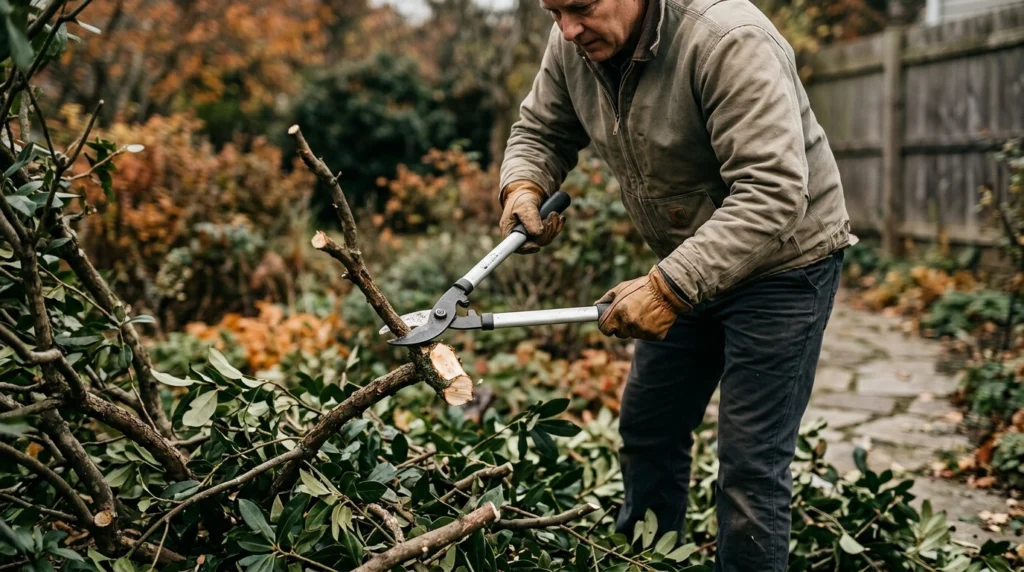
Metaphor of a Tree Being Heavily Pruned
A tree that is cut back heavily is another strong image for drastic cutting.
Branches are removed so quickly that the tree looks smaller and changed in shape.
This metaphor is often used when organizations reduce size or remove many parts at once. It shows both loss and the possibility of future growth.
Metaphor of Scissors Cutting Fabric Into Pieces
Fabric being cut with scissors represents structured but severe reduction.
Each cut changes the original shape completely. Nothing remains the same as before.
This metaphor is useful when describing editing, rewriting, or removing large sections of something.
Metaphor of a River Being Diverted
When a river changes direction suddenly, it no longer follows its original path.
This reflects drastic cutting in plans, systems, or strategies. The flow is interrupted and redirected completely.
It shows that the change is not small but deeply structural.
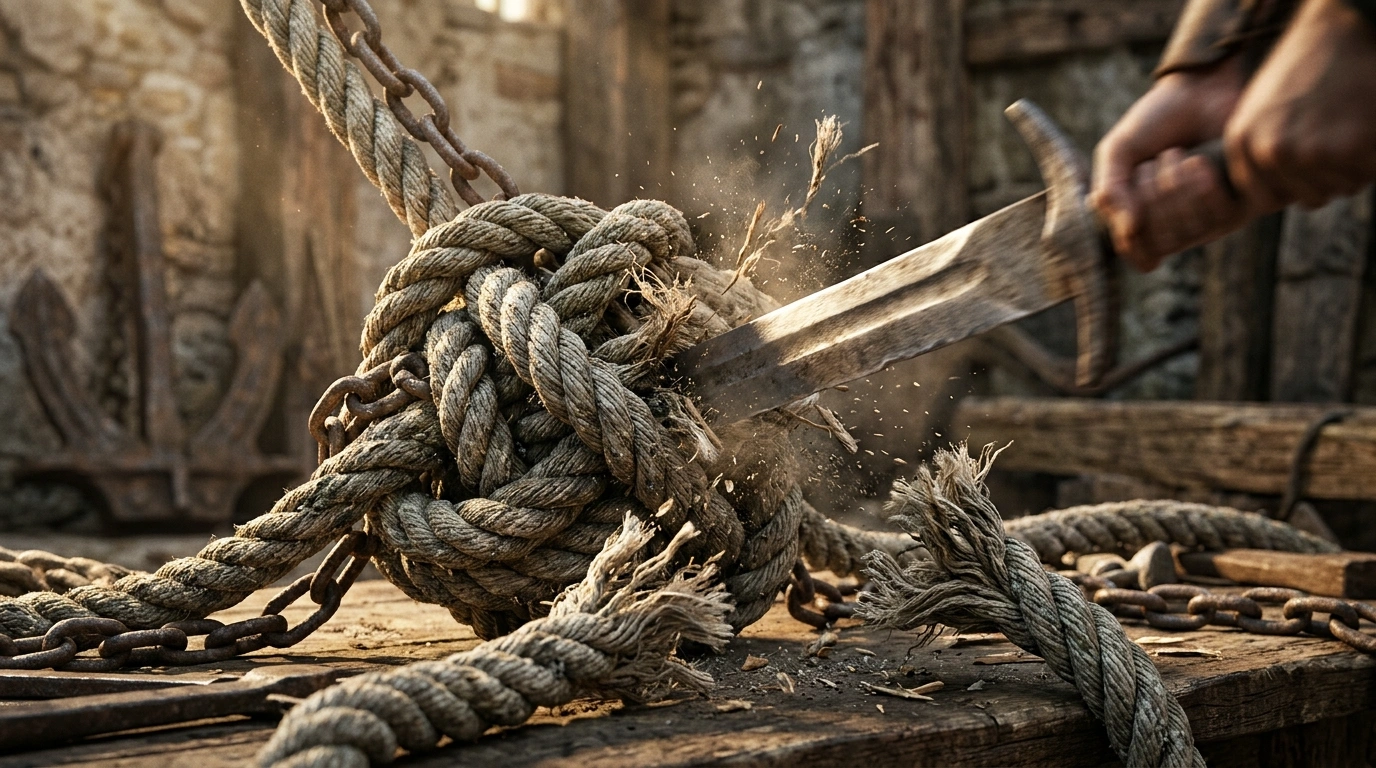
Metaphor of a Sword Splitting Armor
A sword cutting through armor represents a powerful and irreversible action.
It suggests force, speed, and total impact.
This metaphor is often used in emotional or dramatic writing when describing harsh decisions or sudden losses.
Metaphor of a Sculptor Removing Large Stone Pieces
A sculptor does not build by adding but by cutting away large chunks of stone.
This reflects how drastic cutting removes unnecessary parts to reveal a new shape underneath.
It shows that cutting can sometimes be purposeful, not only destructive.
Metaphor of Burning Pages from a Book
Burning pages represents complete removal of information or history.
Once burned, the pages cannot return, showing finality.
This metaphor is used when something is erased or removed from memory, records, or systems.
Metaphor of Lightning Splitting a Tree
Lightning striking and splitting a tree shows sudden and unexpected damage.
It represents how drastic cutting can happen without warning and change everything instantly.
This metaphor often reflects shock or surprise in change.
Metaphor of a Tail Being Cut Off
Cutting a tail from an animal is a direct image of sudden loss.
It shows separation from something once connected.
This metaphor is often used in discussions about quick decisions or sacrifices.
Metaphor of a Bridge Being Broken in the Middle
A broken bridge means connection is suddenly removed.
It shows that movement or continuation is no longer possible.
This metaphor is useful when describing relationships, systems, or workflows that are sharply interrupted.
Comparison Table of Metaphors for Drastic Cutting
| Metaphor | Meaning | What It Shows | Emotional Tone |
|---|---|---|---|
| Sharp knife through paper | Sudden and clean removal | Fast decisions with no delay | Neutral to harsh |
| Heavy pruning of a tree | Removing many parts at once | Restructuring or simplifying | Balanced, slightly positive |
| Scissors cutting fabric | Breaking original structure | Editing or major reduction | Controlled change |
| River being diverted | Change in direction | System or plan shift | Dramatic |
| Sword splitting armor | Powerful irreversible action | Strong impact or loss | Intense |
| Sculptor removing stone | Cutting to create something new | Purposeful removal | Positive growth |
| Burning book pages | Total removal or erasure | Final deletion or loss | Negative |
| Lightning splitting tree | Sudden unexpected damage | Shock change | Very intense |
| Tail being cut off | Separation from something whole | Loss or detachment | Negative |
| Broken bridge | Connection completely ended | No continuation possible | Final and absolute |
When Do We Use Metaphors for Drastic Cutting?
Metaphors for drastic cutting are used when literal language feels too simple or weak to explain strong change.
They are commonly used in:
- Business downsizing or layoffs
- Editing large documents or content
- Political or policy changes
- Emotional situations like breakups
- Financial budget cuts
- Environmental changes or damage
- Creative writing and storytelling
These metaphors help readers feel the intensity of change, not just understand it logically.
Why Drastic Cutting Needs Strong Imagery
Simple language like “big cut” or “reduction” does not fully express impact.
Metaphors help because they:
- Make abstract change visible
- Show emotional intensity
- Improve storytelling quality
- Help readers remember ideas easily
- Add depth to writing
That’s why writers prefer images like knives, fire, bridges, or storms.
Types of Drastic Cutting Metaphors
Natural Metaphors
These come from nature and show uncontrollable force.
Examples:
- Lightning splitting a tree
- River changing direction
- Storm destroying structure
These metaphors show that change is sudden and beyond control.
Human Action Metaphors
These come from human activities like cutting or building.
Examples:
- Scissors cutting fabric
- Sculptor carving stone
- Knife slicing paper
These show controlled and intentional reduction.
Destruction-Based Metaphors
These show complete or final removal.
Examples:
- Burning book pages
- Breaking bridges
- Sword cutting armor
These are often used in emotional or dramatic writing.
Growth-Oriented Metaphors
Not all drastic cutting is negative. Some show improvement.
Examples:
- Tree pruning
- Sculpting stone
- Cleaning unnecessary parts
These show that cutting can lead to better structure or growth.
Real-Life Writing Examples
- The company’s budget cuts were like a knife through paper, fast and unavoidable.
- The editor shaped the article like a sculptor carving stone.
- Their friendship ended like a bridge collapsing in a storm.
- The government reforms felt like pruning a tree for future growth.
- The sudden layoffs hit the team like lightning splitting a tree.