
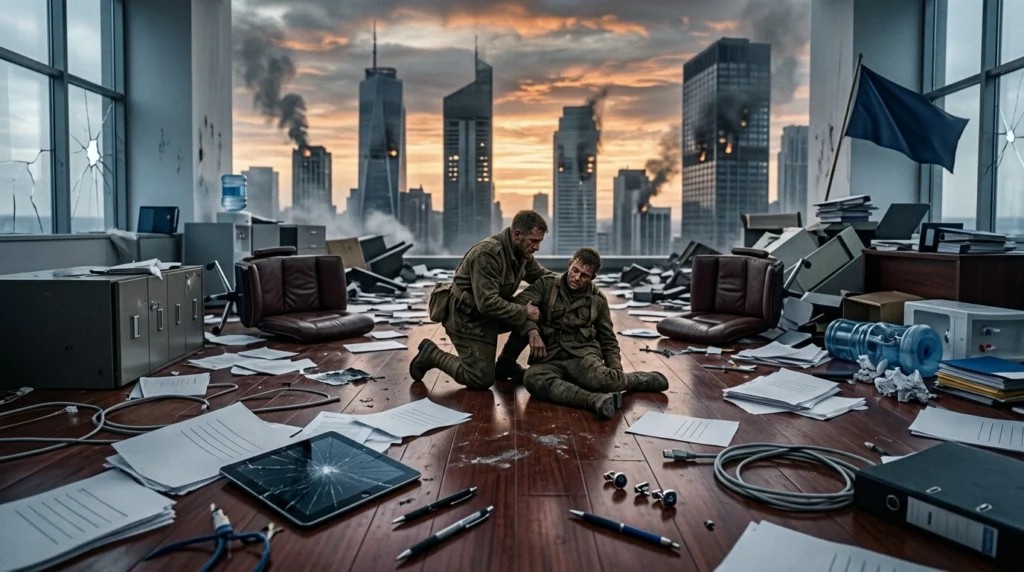
What Does “Battleground” Mean in Figurative Language?
In literal meaning, a battleground is a place where physical fighting happens.
But in figurative language, it means:
- A place of conflict
- A situation of competition
- A struggle between opposing ideas
- A space of emotional or mental tension
Writers use it to show intensity and struggle in everyday life.
It is common in English literature, storytelling, journalism, and motivational writing.
Powerful Metaphors for a Battleground
Here are strong and clear metaphors that explain the idea:
- A stormy ocean
Waves crashing represent constant conflict and instability. - A chessboard of survival
Every move matters, just like strategy in competition. - A boiling pot
Pressure builds until emotions or situations explode. - A jungle fight for survival
Only the strongest ideas or people survive. - A war between shadows
Hidden struggles and unseen conflicts take place. - A courtroom of ideas
Arguments fight like lawyers proving who is right. - A burning arena
Intense pressure where everything is tested. - A battlefield of minds
Thoughts, opinions, and beliefs collide.
Each metaphor helps show struggle in a different way.
Why Writers Use Battleground Metaphors
Writers use battleground imagery because it creates strong emotional impact.
It helps readers understand:
- Conflict situations
- Emotional struggles
- Social competition
- Political debates
- Inner mental battles
Instead of saying “there is conflict,” writers say “it is a battleground.”
This makes writing more powerful and memorable.
It is widely used in English grammar, literature, and persuasive writing.
Real-Life Example Sentences
- Person A: Why is the office so stressful?
Person B: It feels like a battleground of deadlines.
Lesson: Workplaces can feel competitive and tense. - Person A: Why are debates so intense?
Person B: It’s a battlefield of ideas.
Lesson: Opinions often clash strongly. - Person A: How is your business going?
Person B: It’s a chessboard of survival.
Lesson: Business needs strategy and planning. - Person A: Why are emotions so confusing?
Person B: My mind is a war between fear and hope.
Lesson: Inner conflict is common. - Person A: What is social media like?
Person B: A stormy ocean of opinions.
Lesson: Many conflicting voices exist online. - Person A: Why is competition so hard?
Person B: It’s a jungle fight for survival.
Lesson: Only strong ideas succeed. - Person A: What is politics like?
Person B: A burning arena of arguments.
Lesson: Politics involves constant conflict.
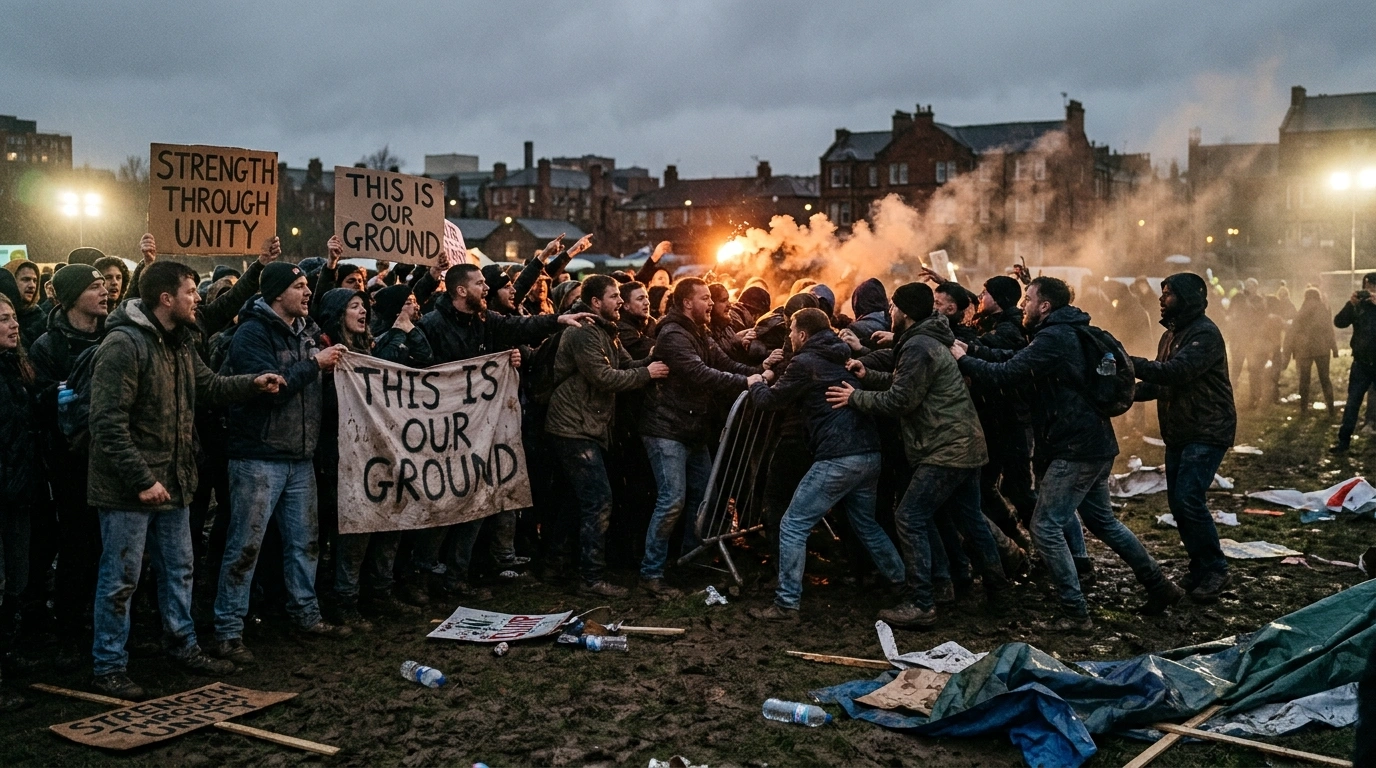
Types of Battleground Metaphors in English
1. Nature-Based Metaphors
- Stormy ocean
- Jungle
- Volcano
These show natural chaos and intensity.
2. Strategy-Based Metaphors
- Chessboard
- War planning
These show thinking and planning in conflict.
3. Emotional Metaphors
- War inside the mind
- Burning emotions
These show internal struggles.
4. Social Metaphors
- Arena of opinions
- Marketplace of ideas
These show public competition.
When Should You Use Battleground Metaphors?
- Writing essays
- Storytelling
- Motivational speeches
- Business writing
- Political analysis
- Social commentary
- Creative poetry
- English learning practice
They are especially useful when describing strong conflict or competition.
Common Mistakes When Using Battleground Metaphors
- Using them for simple situations
Correct: Use for strong conflict
Explanation: Not every situation is a battleground - Mixing too many metaphors
Correct: One clear image per idea
Explanation: Keeps writing clean - Using literal meaning incorrectly
Correct: Understand symbolic meaning
Explanation: It is not real war - Overdramatic usage
Correct: Use only when needed
Explanation: Avoid exaggeration - Confusing emotional and physical battles
Correct: Identify context clearly
Explanation: Meaning changes with usage
Quick Memory Trick
Think like this:
Battleground = Place of struggle
And remember:
- Chessboard = strategy
- Ocean = chaos
- Jungle = survival
- Mind = emotions
So every battleground metaphor shows conflict in a different form.
Practice Quiz (Interactive SEO Section)
- What does “battleground” mean in figurative language?
A. A sports field
B. A place of conflict
C. A school
Answer: B - “Stormy ocean” metaphor shows:
A. Calm life
B. Chaos and conflict
C. Silence
Answer: B - A “chessboard” battleground means:
A. Random action
B. Strategy and planning
C. No rules
Answer: B - “War inside the mind” means:
A. Physical war
B. Emotional struggle
C. Sleep
Answer: B - Battleground metaphors are used to show:
A. Peace
B. Conflict and competition
C. Food
Answer: B