

What Is a Metaphor for a Ghost?
A metaphor compares one thing to another without using words such as “like” or “as.” It helps explain an idea through a familiar image.
When describing a ghost, metaphors often represent mystery, invisibility, memories, silence, loneliness, or something that lingers.
For example:
- He became a fading shadow after the loss.
- Her memory was an echo that never disappeared.
- Regret became a silent visitor that followed him everywhere.
These comparisons create emotional depth and vivid imagery.
Why Use Metaphors for a Ghost?
Metaphors make ghostly ideas more expressive.
Create Mystery
They add suspense and imagination to your writing.
Express Emotions
Ghost metaphors can symbolize grief, loneliness, or memories.
Improve Creative Writing
Stories and poems become richer with descriptive language.
Help Readers Visualize Ideas
Metaphors turn abstract emotions into memorable images.
Best Metaphors for a Ghost
Shadow Metaphors
- Fading shadow
- Silent shadow
- Wandering shadow
- Midnight silhouette
- Dark outline
- Whispering shadow
- Vanishing figure
- Living shadow
- Hidden silhouette
- Lingering shade
Memory Metaphors
- Forgotten photograph
- Old diary
- Faded footprint
- Echo from the past
- Dusty letter
- Broken mirror
- Empty chair
- Last heartbeat
- Lost song
- Time capsule
Nature Metaphors
- Morning mist
- Drifting fog
- Autumn leaf
- Cold breeze
- Smoke in the wind
- Passing cloud
- Winter frost
- Falling feather
- Quiet snowfall
- Moonlight
Silence Metaphors
- Empty hallway
- Whisper in the wind
- Silent visitor
- Unheard melody
- Quiet room
- Unfinished sentence
- Closed book
- Empty stage
- Distant echo
- Sleeping town
Mystery Metaphors
- Invisible thread
- Phantom light
- Hidden doorway
- Unseen traveler
- Forgotten star
- Secret passage
- Flickering candle
- Mask without a face
- Invisible footprint
- Vanishing dream
Comparison Table of Ghost Metaphors
| Metaphor | Meaning | Best Used For |
|---|---|---|
| Fading Shadow | Someone slowly disappearing | Fiction and poetry |
| Echo | A memory that remains | Emotional writing |
| Morning Mist | Something difficult to hold onto | Descriptive writing |
| Silent Visitor | Lingering thoughts or regret | Personal reflection |
| Forgotten Photograph | Memories of the past | Essays and stories |
| Empty Chair | Loss or absence | Emotional writing |
| Whisper in the Wind | Quiet presence | Poems |
| Drifting Fog | Mystery and uncertainty | Horror stories |
| Phantom Light | Hope mixed with mystery | Creative writing |
| Vanishing Dream | Something slipping away | Inspirational writing |
Each metaphor highlights a different aspect of a ghost. Some focus on mystery, while others represent memories, loneliness, or emotional absence.
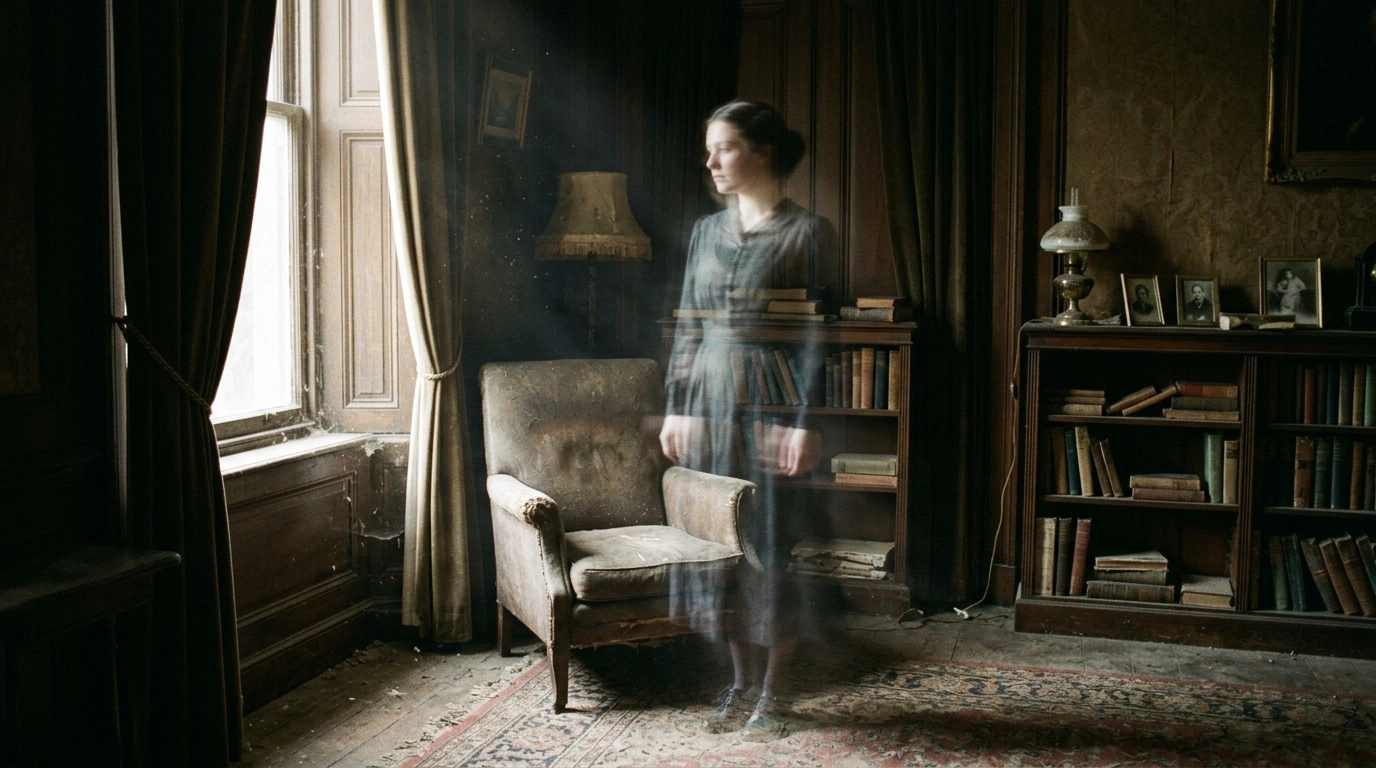
Examples of Ghost Metaphors in Sentences
- After the move, he became a fading shadow in our lives.
- Her laughter remained an echo in the old house.
- Regret was a silent visitor that never left him.
- The forgotten promise became a drifting fog in his memory.
- His childhood felt a faded photograph tucked away in a drawer.
- Loneliness followed her a whisper in the wind.
- The abandoned building stood a sleeping giant filled with ghosts.
- Hope appeared a flickering candle in the darkness.
- His memories floated morning mist over the quiet valley.
- She moved through the crowd an invisible thread connecting the past and present.
How to Choose the Right Metaphor
Match the Emotion
Choose a metaphor that reflects mystery, sadness, memory, or fear.
Think About Your Audience
Simple metaphors are easier for most readers to understand.
Stay Consistent
Use one main image throughout a paragraph.
Keep It Meaningful
Select metaphors that support your message instead of distracting from it.
Common Mistakes to Avoid
Mixing Metaphors
Incorrect: The ghost became a shadow sailing across the river of memories.
Correct: The ghost became a fading shadow.
Making Comparisons Too Complicated
Simple metaphors often create stronger emotional impact.
Using Too Many Metaphors
One vivid comparison usually works better than several in the same sentence.
Ignoring Context
Choose metaphors that fit the tone of your story or essay.
Quick Tips for Writing Better Ghost Metaphors
- Think about the emotion first.
- Use familiar imagery.
- Keep comparisons short and clear.
- Match the metaphor to the scene.
- Avoid overusing dramatic language.
- Read your sentences aloud.
- Focus on creating a strong mental image.