
What Is a Metaphor for Calmness?
Simple Definition
A metaphor for calmness is a comparison that describes peace, relaxation, or emotional control by connecting it to something familiar.
A metaphor does not mean someone or something is literally that object. It highlights a shared quality.
Example:
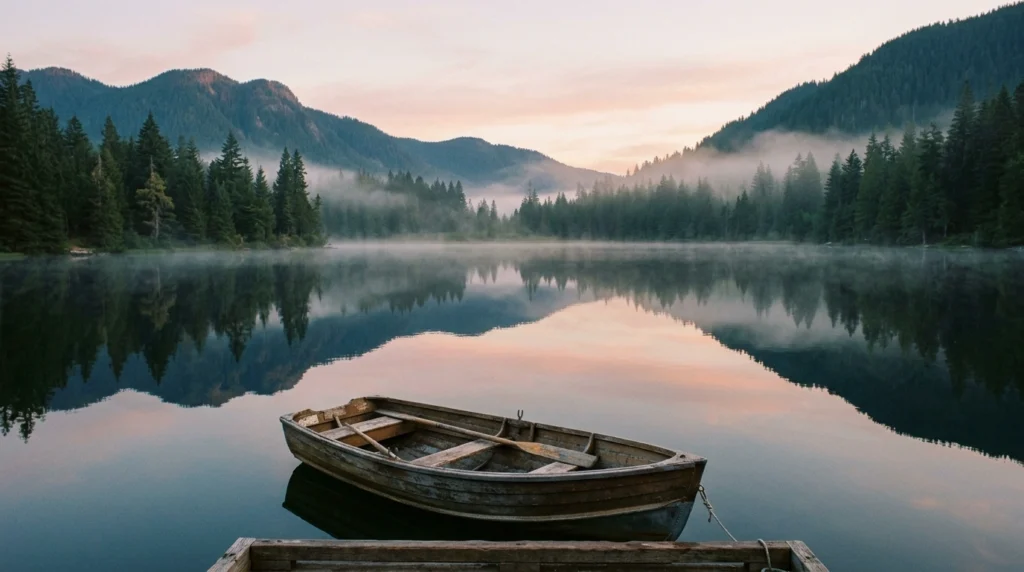
“Her mind is a still lake.”
This does not mean her mind contains water. It means she feels peaceful, clear, and free from stress.
Why Use Metaphors for Calmness?
They Make Invisible Feelings Clear
Calmness is an emotion we experience internally. Metaphors help turn that feeling into a picture.
Instead of saying:
“He remained calm during the crisis.”
You can say:
“He was a lighthouse standing steady in the storm.”
The metaphor creates a stronger image of peace and strength.
They Show Inner Strength
Calmness is not only about being quiet. It can represent:
- patience
- confidence
- emotional control
- wisdom
- resilience
Best Metaphors for Calmness and Their Meanings
| Metaphor | Meaning |
|---|---|
| A still lake | Peaceful thoughts and emotional balance |
| A gentle breeze | Relaxation and comfort |
| A quiet harbor | Safety and protection |
| A lighthouse in a storm | Strength during difficult times |
| A peaceful garden | Harmony and inner peace |
| A slow flowing river | Natural balance and patience |
| A soft blanket | Comfort and relaxation |
| A calm morning | Freshness and peaceful beginnings |
Beautiful Examples of Calmness Metaphors
1. A Still Lake
Example:
“Her mind was a still lake untouched by the noise around her.”
Meaning:
She remained peaceful and focused.
2. A Gentle Breeze
Example:
“His voice was a gentle breeze on a stressful day.”
Meaning:
His presence brought comfort and relaxation.
3. A Quiet Harbor
Example:
“Her friendship was a quiet harbor during difficult times.”
Meaning:
She provided safety and emotional support.
4. A Lighthouse in a Storm
Example:
“He was a lighthouse in a storm of problems.”
Meaning:
He stayed strong and calm when others felt overwhelmed.
5. A Peaceful Garden
Example:
“Her heart was a peaceful garden.”
Meaning:
She had inner harmony and emotional balance.
Types of Calmness Metaphors
Metaphors for Inner Peace
Examples:
- “My mind is a quiet garden.”
- “My thoughts are floating clouds.”
- “My soul is a peaceful river.”
Meaning:
These describe relaxation and emotional balance.
Metaphors for Staying Calm Under Pressure
Examples:
- “She is an anchor in rough waters.”
- “He is a mountain during the storm.”
- “Her confidence is a steady flame.”
Meaning:
These show strength and control during challenges.
Metaphors for Calm People
Examples:
- “He is a calm ocean.”
- “She is a peaceful sunrise.”
- “He is a quiet shelter.”
Meaning:
These describe people who bring comfort and stability.
Calmness Metaphor vs Literal Meaning
| Calm Image | Literal Meaning | Metaphorical Meaning |
| Lake | A body of water | Peace and clarity |
| Harbor | A safe place for ships | Protection and comfort |
| Breeze | Moving air | Relaxation and gentleness |
| Mountain | A natural structure | Strength and stability |
| Garden | A place with plants | Inner peace and harmony |
The literal meaning describes the object, while the metaphorical meaning expresses the feeling of calmness.
Common Mistakes When Using Calmness Metaphors
Mistake 1: Confusing Calmness With Weakness
Calmness often shows strength, confidence, and emotional control.
Mistake 2: Choosing Images That Feel Chaotic
A calm metaphor should create a peaceful feeling.
Good examples:
- lake
- sunrise
- garden
- harbor
Mistake 3: Making the Metaphor Too Complicated
Simple images often create the strongest emotional impact.
How to Create Your Own Calmness Metaphor
Follow these steps:
- Think about what calmness feels like.
- Choose something peaceful from nature or daily life.
- Compare that image to the person or feeling.
- Explain the connection.
Example:
Calmness → a quiet forest
Metaphor:
“Her presence was a quiet forest away from the noise of the world.”
Meaning:
She created peace and comfort.
Quick Memory Trick
Remember:
Calmness = Still + Safe + Steady
Think:
- Lake = Stillness
- Harbor = Safety
- Mountain = Strength
- Breeze = Comfort
These images represent different forms of peace.
Practice Quiz
1. What does a metaphor for calmness describe?
A) Noise and confusion
B) Peace and emotional balance
C) Speed
Answer: B
2. What does a still lake symbolize?
A) Calm thoughts
B) Anger
C) Fear
Answer: A
3. Why do writers use calmness metaphors?
A) To create peaceful images
B) To remove emotions
C) To make writing unclear
Answer: A
4. What does a lighthouse in a storm represent?
A) Panic
B) Strength and stability
C) Weakness
Answer: B
5. Is a calmness metaphor literal?
A) Yes
B) No
Answer: B