

What Is a Metaphor for Deliberate Ignorance?
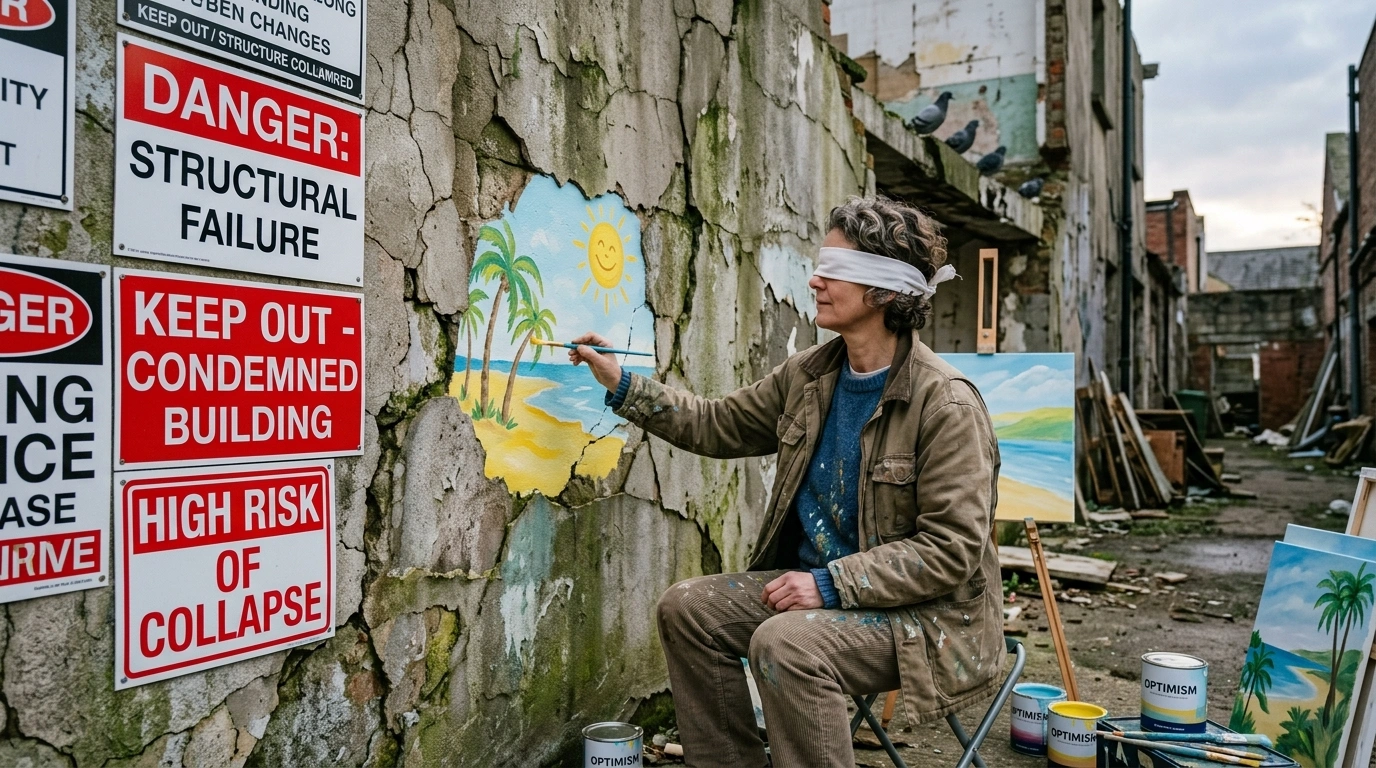
A metaphor for deliberate ignorance is a creative comparison that describes when someone intentionally avoids truth or refuses to acknowledge reality.
It shows actions like:
- Ignoring facts on purpose
- Avoiding uncomfortable truth
- Pretending not to see problems
- Denying reality
For example:
- “He wore blindfolds to the truth.”
- “She closed the door of awareness.”
These images show choice, not lack of knowledge.
Why Do Writers Use Metaphors for Deliberate Ignorance?
Writers use these metaphors because they:
- Show emotional resistance clearly
- Make abstract behavior easier to understand
- Improve storytelling and analysis
- Express denial in a visual way
- Help readers understand hidden motivations
- Add depth to psychology and character writing
Deliberate ignorance is not physical, so metaphors make it visible.
Comparison Table Metaphor for Deliberate Ignorance
| Metaphor | Meaning | Behavior Type | Example |
|---|---|---|---|
| Blindfold on truth | Refusing to see reality | Denial | He wore a blindfold to truth |
| Closed eyes | Ignoring facts | Avoidance | She kept closed eyes to reality |
| Locked mind | Refusing understanding | Mental block | His mind was a locked door |
| Deaf ears | Ignoring information | Selective hearing | They gave deaf ears to warnings |
| Dark room thinking | Avoiding clarity | Confusion by choice | She lived in a dark room of thoughts |
Powerful Metaphors for Deliberate Ignorance
Blindfold on Truth
Choosing not to see reality.
He walked with a blindfold on truth.
Closed Eyes to Reality
Ignoring what is obvious.
She kept closed eyes to reality.
Deaf Ears
Refusing to listen to facts.
They gave deaf ears to advice.
Locked Mind
Refusing new ideas or truth.
His mind was a locked door.
Turning Away from Light
Avoiding truth or clarity.
He turned away from the light of truth.
Buried Head in Sand
Ignoring problems on purpose.
She buried her head in the sand.
Shuttered Windows of Thought
Blocking understanding.
His thoughts were shuttered windows.
Fogged Glass Mind
Not letting clarity in.
Her mind was fogged glass.
Closed Door Awareness
Blocking awareness intentionally.
He kept a closed door to truth.
Selective Hearing Wall
Only hearing what is preferred.
She built a wall of selective hearing.
Shadow of Denial
Living in self-denial.
He lived under a shadow of denial.
Ignorance Blanket
Covering up truth.
She wrapped herself in an ignorance blanket.
Mental Blind Spot
Refusing to see important facts.
He had a blind spot for truth.
Truth Curtain
Hiding reality intentionally.
She pulled a truth curtain over facts.
Broken Compass Mind
Ignoring direction or guidance.
His mind was a broken compass.
Locked Eyes Syndrome
Avoiding awareness.
They had locked eyes syndrome with truth.
Silent Wall of Denial
Blocking truth silently.
There was a silent wall between him and reality.
Covered Mirror Mind
Refusing self-reflection.
Her mind was a covered mirror.
Empty Awareness Room
No willingness to understand.
He lived in an empty awareness room.
Truth-Proof Shield
Blocking all facts intentionally.
She used a truth-proof shield.
When to Use These Metaphors
You can use them in:
- Psychology writing
- Essays
- Character analysis
- Storytelling
- Debate speeches
- Academic explanations
- Creative writing
They are especially useful when describing denial or avoidance.
Common Mistakes
- Confusing ignorance with lack of knowledge
- Using too many heavy metaphors
- Mixing emotions incorrectly
- Making meanings unclear
- Overcomplicating simple ideas
- Repeating same concept repeatedly
- Not matching tone with context
Quick Memory Trick
Think like this:
- Truth = light
- Ignorance = darkness or blocking
- Deliberate ignorance = choosing to block light
Simple rule:
Deliberate ignorance = closing eyes to truth on purpose
Practice Quiz
What does “blindfold on truth” mean?
A) Learning truth
B) Ignoring reality on purpose
C) Seeing clearly
D) Understanding facts
Answer: B
What does “deaf ears” represent?
A) Listening carefully
B) Ignoring information
C) Hearing music
D) Talking loudly
Answer: B
What does “buried head in sand” show?
A) Facing problems
B) Avoiding problems
C) Solving issues
D) Helping others
Answer: B
What does “locked mind” mean?
A) Open thinking
B) Refusing ideas
C) Creative mind
D) Fast learning
Answer: B
What does “truth-proof shield” represent?
A) Accepting truth
B) Blocking truth intentionally
C) Sharing ideas
D) Clear thinking
Answer: B