

What Is a Metaphor for Gloomy?
A metaphor compares one thing to another without using words such as “like” or “as.” It helps explain emotions or situations through familiar images.
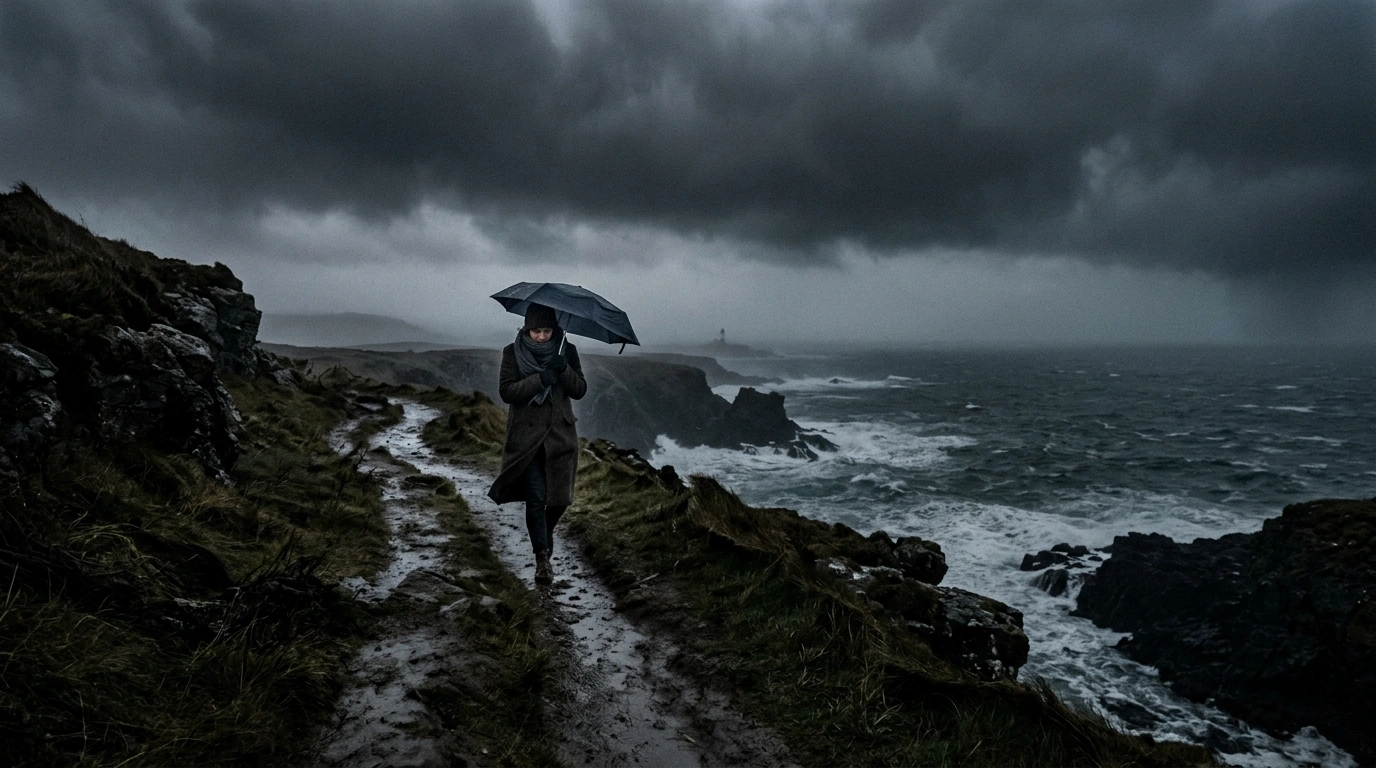
A gloomy feeling often represents sadness, loneliness, hopelessness, darkness, or emotional heaviness.
For example:
- His mood became a sky full of storm clouds.
- The empty room was a forgotten garden.
- Her hope became a fading candle.
These comparisons help readers visualize gloomy emotions and settings.
Why Use Metaphors for Gloomy?
Metaphors make emotional writing stronger and more engaging.
Express Sadness Clearly
They help describe feelings that are difficult to explain.
Build Atmosphere
Dark imagery creates powerful settings in stories and poems.
Improve Creative Writing
Essays and fiction become more descriptive.
Connect with Readers
Strong metaphors make emotions feel real and relatable.
50 Best Metaphors for Gloomy
Weather Metaphors
- Storm cloud
- Endless rain
- Dark sky
- Thick fog
- Winter storm
- Thundercloud
- Cold drizzle
- Gray horizon
- Endless twilight
- Frozen morning
Darkness Metaphors
- Fading candle
- Burned-out lamp
- Shadowy cave
- Black curtain
- Moonless night
- Empty tunnel
- Dark valley
- Eclipse
- Bottomless pit
- Dim hallway
Nature Metaphors
- Withered tree
- Fallen leaf
- Forgotten garden
- Dead forest
- Dry river
- Wilted flower
- Frozen lake
- Bare branches
- Rocky wasteland
- Silent swamp
Life Metaphors
- Heavy backpack
- Broken clock
- Empty chair
- Closed door
- Silent room
- Cracked mirror
- Rusted chain
- Dust-covered book
- Empty stage
- Faded painting
Emotional Metaphors
- Broken wings
- Heavy blanket
- Sinking ship
- Locked cage
- Slow-moving shadow
- Cold stone
- Empty shell
- Lost compass
- Torn sail
- Quiet echo
Comparison Table
| Metaphor | Meaning | Best Used For |
|---|---|---|
| Storm Cloud | Sadness or worry | Stories |
| Thick Fog | Confusion and emotional heaviness | Essays |
| Fading Candle | Losing hope | Poetry |
| Forgotten Garden | Neglect and loneliness | Creative writing |
| Withered Tree | Emotional exhaustion | Personal reflection |
| Heavy Blanket | Feeling weighed down | Mental health writing |
| Empty Chair | Loss or absence | Speeches |
| Broken Wings | Feeling powerless | Inspirational writing |
| Lost Compass | Lack of direction | Life lessons |
| Sinking Ship | Overwhelming struggles | Fiction |
Each metaphor highlights a different aspect of gloom. Some focus on sadness and loneliness, while others describe confusion, hopelessness, or emotional exhaustion.
Examples in Sentences
- His thoughts became a storm cloud that followed him all day.
- The abandoned park looked a forgotten garden.
- Her hope was a fading candle in the darkness.
- The office felt a silent room after everyone left.
- Grief became a heavy blanket over his heart.
- The future looked a thick fog with no clear path.
- Loneliness stood an empty chair beside her every evening.
- His confidence was a withered tree after repeated failures.
- The old house remained a shadowy cave filled with silence.
- Their dreams became a sinking ship during difficult times.
How to Choose the Right Metaphor
Match the Emotion
Choose a metaphor that reflects sadness, loneliness, fear, or hopelessness.
Think About Your Audience
Use familiar comparisons that readers can easily imagine.
Stay Consistent
Avoid switching between unrelated images in the same paragraph.
Support Your Message
Make sure the metaphor fits the tone of your writing.
Common Mistakes to Avoid
| Incorrect | Correct | Explanation |
|---|---|---|
| His mood was a storm climbing a mountain. | His mood was a storm cloud. | Avoid mixing metaphors. |
| Use several gloomy metaphors together. | Choose one clear comparison. | Improves readability. |
| Pick confusing images. | Use familiar symbols. | Readers understand them better. |
| Ignore the emotion. | Match the metaphor to the feeling. | Creates stronger imagery. |
| Repeat one metaphor throughout. | Vary your comparisons naturally. | Keeps writing fresh. |
| Make every sentence dramatic. | Balance simple and descriptive language. | Improves flow. |
| Use unclear comparisons. | Keep metaphors direct and meaningful. | Makes writing easier to follow. |
Quick Tips for Writing Better Gloomy Metaphors
- Focus on the emotion first.
- Use familiar images from nature or weather.
- Keep the comparison simple.
- Match the metaphor to the setting.
- Avoid mixing different metaphors.
- Read your writing aloud.
- Use vivid but easy-to-understand language.
Practice Quiz
Question 1
Which metaphor best represents sadness?
A. Storm Cloud
B. Rainbow
C. Sunny Meadow
D. Blooming Flower
Answer: A. Storm Cloud
Question 2
Which metaphor symbolizes losing hope?
A. Fading Candle
B. Bright Lantern
C. Open Window
D. Golden Key
Answer: A. Fading Candle
Question 3
Which metaphor best represents loneliness?
A. Empty Chair
B. Busy Market
C. Celebration
D. Open Road
Answer: A. Empty Chair
Question 4
Which metaphor describes emotional confusion?
A. Thick Fog
B. Clear Sky
C. Calm River
D. Green Garden
Answer: A. Thick Fog
Question 5
Which metaphor best represents feeling overwhelmed?
A. Heavy Blanket
B. Fresh Breeze
C. Bright Star
D. Open Door
Answer: A. Heavy Blanket