
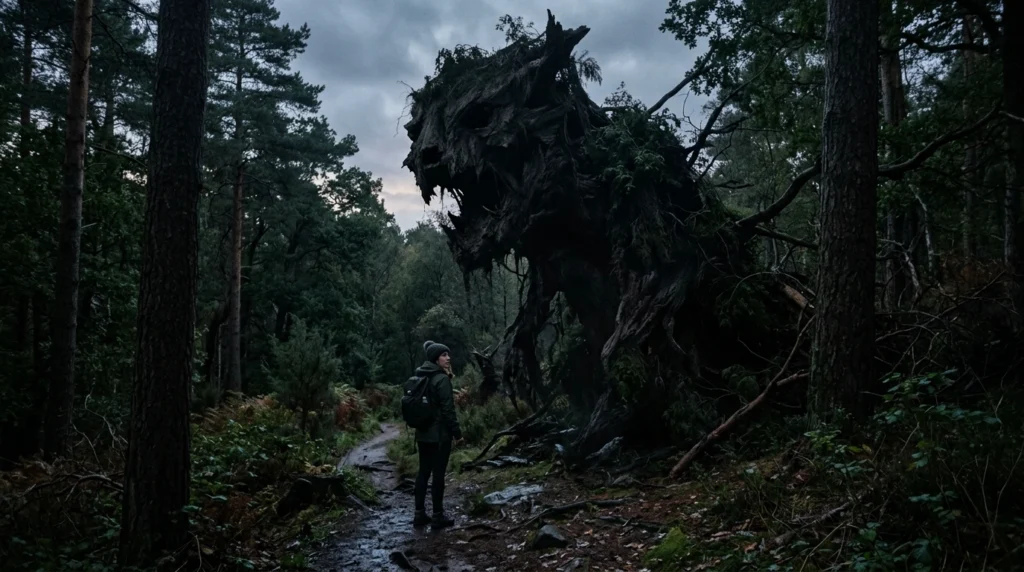
Metaphor for Monster: What Does It Mean?
A metaphor compares a monster to something else without using the words like or as. It gives deeper meaning to emotions, problems, or experiences.
Simple Examples
- The monster is a shadow.
- The monster is a prison.
- The monster is a wildfire.
- The monster is a storm.
Best Metaphor for Monster Examples
Monster Is a Shadow
A monster can represent fear that follows everywhere.
Example: Anxiety became a shadow that never left his side.
Monster Is a Storm
Some problems arrive suddenly and create chaos.
Example: Anger turned into a storm that shook his world.
Monster Is a Prison
Fear can trap people and stop them from moving forward.
Example: Doubt became a prison with invisible walls.
Monster Is a Wildfire
Negative emotions can spread quickly.
Example: Jealousy became a wildfire that consumed every friendship.
Monster Is a Chain
A monster can keep someone trapped in bad habits.
Example: Addiction became a heavy chain around his life.
Monster Is a Volcano
Strong emotions may build quietly before exploding.
Example: His frustration became a volcano waiting to erupt.
Monster Is a Maze
Some problems are difficult to escape.
Example: Depression became a maze with no clear exit.
Monster Is a Mountain
Challenges can feel impossible to overcome.
Example: Grief stood before her as a towering mountain.
Monster Is a Puppet Master
Fear can control thoughts and actions.
Example: Worry became the puppet master of his decisions.
Monster Is a Black Hole
A monster can drain hope and happiness.
Example: Loneliness became a black hole that swallowed every smile.
Metaphor for Monster vs. Simile
| Feature | Metaphor | Simile |
|---|---|---|
| Direct comparison | ✅ Yes | ❌ No |
| Uses like or as | ❌ No | ✅ Yes |
| Example | Fear is a monster. | Fear is like a monster. |
| Style | Strong and direct | Softer comparison |
A metaphor says something is a monster, while a simile compares it using like or as.
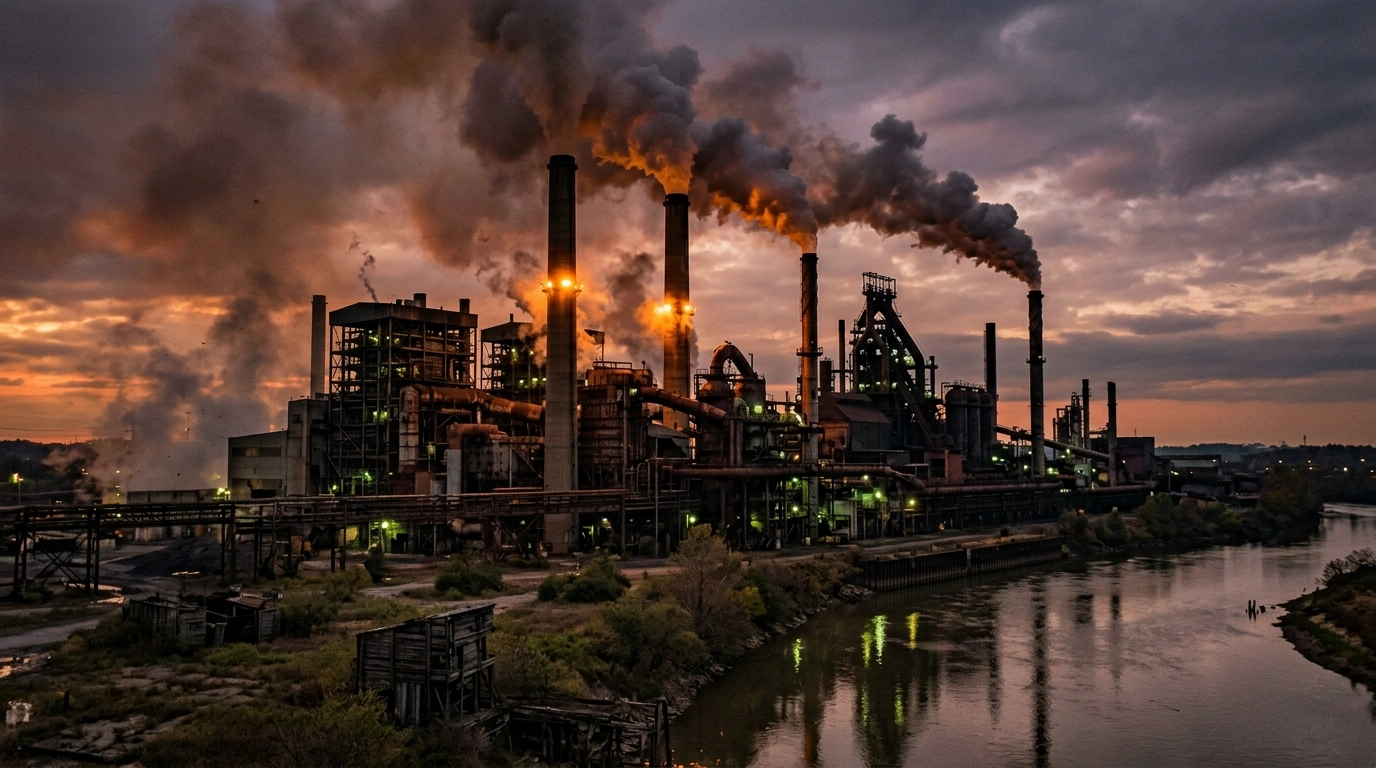
Metaphor for Monster in Real-Life Examples
Example 1
Person A: Why can’t he sleep?
Person B: His worries became a monster.
Lesson: Monsters often symbolize fear.
Example 2
Person A: She couldn’t stop overthinking.
Person B: Anxiety became a shadow.
Lesson: Shadows represent constant fear.
Example 3
Person A: His anger exploded.
Person B: A volcano had awakened.
Lesson: Volcanoes symbolize powerful emotions.
Example 4
Person A: He felt trapped.
Person B: His fear became a prison.
Lesson: Monsters can symbolize emotional struggles.
Example 5
Person A: She kept making bad choices.
Person B: Addiction became a chain.
Lesson: Chains represent being trapped.
Example 6
Person A: Life felt confusing.
Person B: Every day was a maze.
Lesson: Mazes symbolize uncertainty.
Example 7
Person A: The challenge looked impossible.
Person B: It stood before him as a mountain.
Lesson: Mountains represent difficult obstacles.
When to Use a Metaphor for Monster
- Short stories
- Novels
- Poetry
- School essays
- Character analysis
- Speeches
- Journals
- Motivational writing
- Movie reviews
- Creative writing
Common Mistakes When Using a Metaphor for Monster
Using Too Many Metaphors
Choose one clear comparison instead of several in one sentence.
Mixing Different Images
Keep your metaphor consistent.
Choosing Weak Comparisons
Use metaphors that match fear, struggle, or conflict.
Overexplaining the Metaphor
Let readers understand the meaning naturally.
Repeating the Same Metaphor
Use different monster metaphors throughout your writing.
Ignoring the Tone
Match the metaphor to the mood of your story or essay.
Making It Too Complex
Simple metaphors often create the strongest impact.
Quick Memory Trick
Remember this phrase:
Monster = Fear
Other easy metaphors include:
- Monster = Shadow
- Monster = Storm
- Monster = Prison
- Monster = Wildfire
- Monster = Mountain
Practice Quiz
Question 1
Which sentence is a metaphor?
A. Fear is like a monster.
B. Fear is a monster.
C. Fear feels like a monster.
D. Fear acts like a monster.
Answer: B
Question 2
Which metaphor represents hidden fear?
A. Shadow
B. Flower
C. Rainbow
D. Feather
Answer: A
Question 3
Which metaphor symbolizes powerful emotions?
A. Volcano
B. Chair
C. Pencil
D. Window
Answer: A
Question 4
Which sentence is a simile?
A. Fear is a prison.
B. Fear is a mountain.
C. Fear is like a prison.
D. Fear is a storm.
Answer: C
Question 5
Why do writers use a metaphor for monster?
A. To make writing more vivid and emotional
B. To make writing longer
C. To avoid descriptions
D. To confuse readers
Answer: A