

What Is a Troublemaker in Figurative Language?
A troublemaker is someone who causes problems, conflict, or disturbance.
In figurative language, a troublemaker can represent:
- Chaos
- Disruption
- Conflict starter
- Negative influence
- Instability in a group
Instead of direct labeling, writers use symbolic comparisons.
This makes descriptions more creative and less harsh in tone.
Best Metaphors for Troublemaker
Here are clear and easy metaphors:
- A spark in a dry forest
One small action can start a big problem. - A storm cloud in a clear sky
Peaceful situations suddenly become tense. - A pebble in a calm pond
One person disturbs the whole environment. - A firecracker in a quiet room
Sudden chaos and noise appear unexpectedly. - A wolf in the herd
Someone who disrupts peace from within. - A virus in a system
Spreads disturbance or negative influence. - A matchstick near gasoline
Small actions can create big trouble. - A broken gear in a machine
One person affects the whole group’s progress.
These metaphors help explain behavior without directly insulting someone.
Why Writers Use Metaphors for Troublemaker
Writers use these metaphors because they:
- Make descriptions less direct
- Add emotional impact
- Improve storytelling quality
- Help readers visualize behavior
- Make English more expressive
In English grammar and writing skills, metaphors are used to soften criticism while still being clear.
This is common in literature, essays, and journalism.
Real-Life Example Sentences
- Person A: Why is the class so noisy?
Person B: One student is a spark in a dry forest.
Lesson: One person can disturb the whole group. - Person A: What happened in the meeting?
Person B: A storm cloud entered the discussion.
Lesson: One person changed the mood. - Person A: Why is everyone arguing?
Person B: It’s like a pebble in a calm pond.
Lesson: Small actions create big effects. - Person A: Who caused the issue?
Person B: A firecracker in a quiet room.
Lesson: Sudden disruption occurred. - Person A: Why is teamwork hard?
Person B: There is a broken gear in the system.
Lesson: One weak point affects all. - Person A: What is he like?
Person B: A matchstick near gasoline.
Lesson: He easily creates trouble. - Person A: Why did things go wrong?
Person B: A wolf was among the herd.
Lesson: Hidden disruption caused issues.
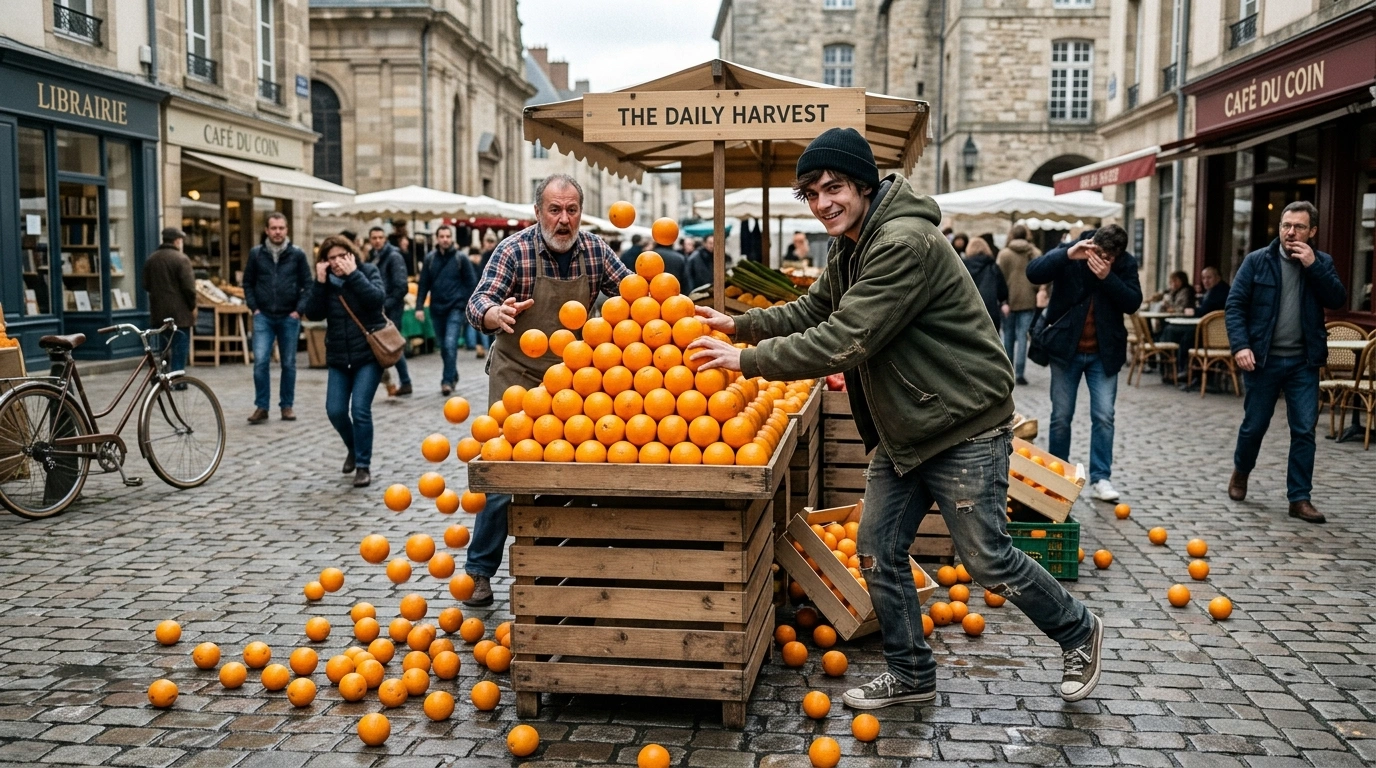
Types of Troublemaker Metaphors
1. Nature-Based Metaphors
- Storm cloud
- Dry forest spark
- Pebble in water
These show natural disruption.
2. Fire-Based Metaphors
- Firecracker
- Matchstick and gasoline
These show fast escalation of trouble.
3. System-Based Metaphors
- Broken gear
- Virus in system
These show structural damage.
4. Animal-Based Metaphors
- Wolf in herd
These show hidden danger.
When Should You Use These Metaphors?
- Creative writing
- Storytelling
- Character description
- Essays
- English learning practice
- Speech writing
- Literature analysis
- Journalism (careful tone)
They are useful when you want softer or more expressive language.
Common Mistakes When Using Troublemaker Metaphors
- Using harsh metaphors in formal writing
Correct: Choose neutral images
Explanation: Keep tone appropriate - Overusing dramatic comparisons
Correct: Use one strong metaphor
Explanation: Avoid exaggeration - Misunderstanding meaning
Correct: Focus on behavior, not insult
Explanation: Metaphors are symbolic - Mixing unrelated images
Correct: Stay consistent
Explanation: Improves clarity - Using literal interpretation
Correct: Understand figurative meaning
Explanation: Not real objects
Quick Memory Trick
Think like this:
Troublemaker = Small cause, big effect
Remember:
- Spark → fire
- Pebble → waves
- Matchstick → explosion
- Virus → spread
So a troublemaker is someone who turns small actions into big problems.
Practice Quiz (Interactive SEO Section)
- What is a metaphor for troublemaker?
A. A helpful person
B. A spark in a dry forest
C. A teacher
Answer: B - “Pebble in a calm pond” means:
A. Peace
B. Small disturbance
C. Silence
Answer: B - A “storm cloud” shows:
A. Happiness
B. Trouble entering a situation
C. Food
Answer: B - “Broken gear” means:
A. Strong teamwork
B. System problem
C. Clean machine
Answer: B - Troublemaker metaphors are used to:
A. Confuse readers
B. Show disruption creatively
C. Describe weather only
Answer: B