

What Is a Metaphor for DNA?
A metaphor compares one thing to another without using words such as “like” or “as.” A metaphor for DNA uses symbolic images to represent identity, inheritance, purpose, structure, and the essential qualities that make someone or something unique.
DNA metaphors are often used to describe the core of a person, an organization, a family, or even an idea.
Why DNA Makes a Powerful Metaphor
DNA is the foundation of life, making it an effective symbol for things that define who we are.
A DNA metaphor can:
- Represent identity.
- Symbolize heritage.
- Express purpose.
- Explain core values.
- Create memorable imagery.
Best Metaphor for DNA
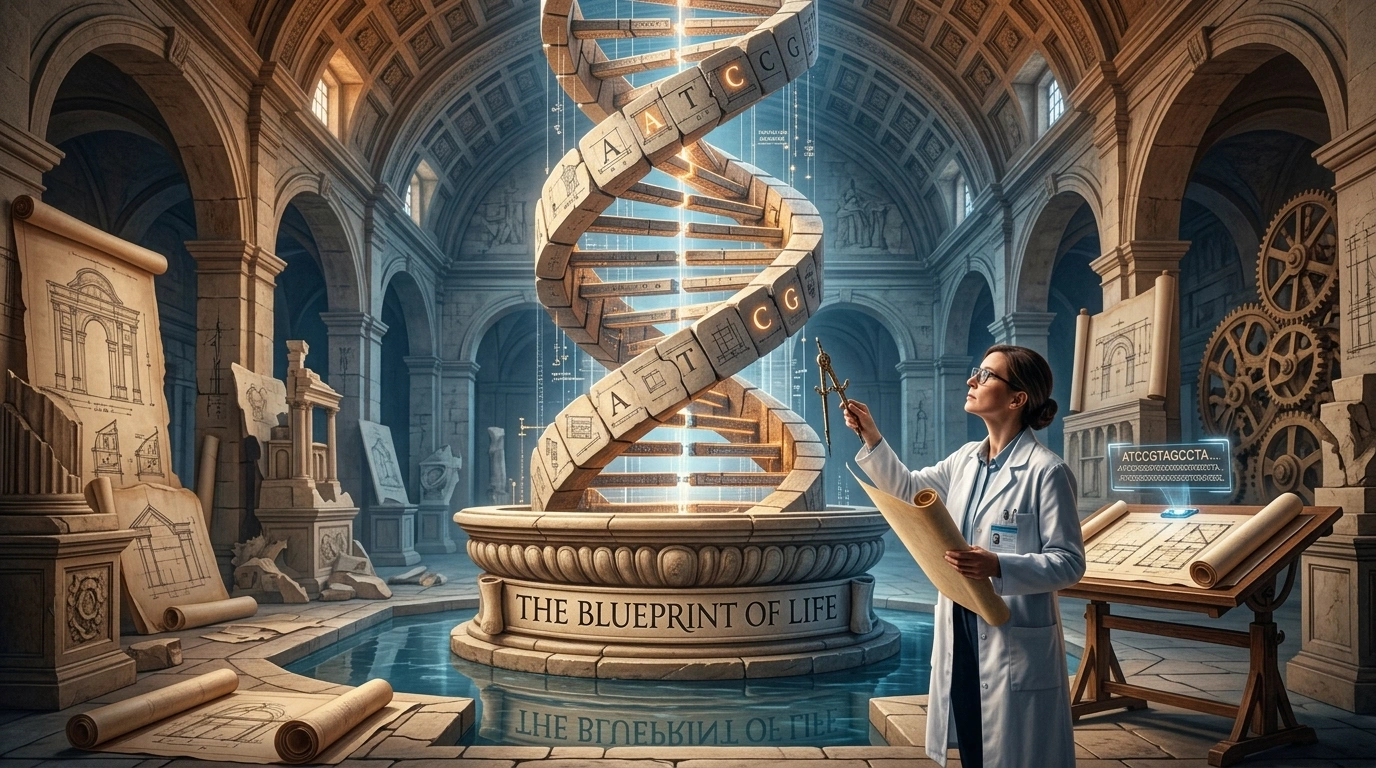
A Blueprint
A blueprint contains the plan for building something.
Example:
“Integrity is the blueprint of great leadership.”
Meaning:
DNA represents the basic design or foundation.
The Instruction Manual
An instruction manual explains how something works.
Example:
“Kindness became the instruction manual for their family.”
Meaning:
It symbolizes the guiding principles behind actions.
A Thread That Connects Generations
Threads weave separate pieces into one fabric.
Example:
“Tradition is the thread connecting every generation.”
Meaning:
DNA represents family heritage and continuity.
The Root System
Roots support and nourish a tree.
Example:
“Culture is the root system of a community.”
Meaning:
It symbolizes strength, origin, and stability.
A Signature
Every signature is unique.
Example:
“Creativity became the company’s signature.”
Meaning:
DNA represents individuality and uniqueness.
A Recipe
A recipe provides the ingredients needed to create something.
Example:
“Trust is the recipe for lasting friendships.”
Meaning:
DNA symbolizes the essential elements that produce success.
A Foundation Stone
Every strong building begins with a solid foundation.
Example:
“Honesty is the foundation stone of every healthy relationship.”
Meaning:
DNA represents the core that supports everything else.
A Family Tree
A family tree shows connections across generations.
Example:
“Their values became the family tree that kept everyone connected.”
Meaning:
It symbolizes heritage and belonging.
A Hidden Code
Codes contain important information beneath the surface.
Example:
“Curiosity became the hidden code behind every invention.”
Meaning:
DNA represents unseen qualities that shape outcomes.
The Heartbeat of Life
A heartbeat keeps life going.
Example:
“Innovation is the heartbeat of the organization.”
Meaning:
It symbolizes the driving force behind growth and success.
Metaphor for DNA Comparison Table
| Metaphor | Represents | Best Used For |
|---|---|---|
| Blueprint | Foundation and design | Business writing |
| Instruction Manual | Guidance | Educational content |
| Thread That Connects Generations | Heritage | Family essays |
| Root System | Origins | Inspirational writing |
| Signature | Individuality | Personal essays |
| Recipe | Essential ingredients | Leadership speeches |
| Foundation Stone | Core values | Motivational writing |
| Family Tree | Legacy | Memoirs |
| Hidden Code | Inner qualities | Creative writing |
| Heartbeat of Life | Purpose | Speeches |
Metaphor for DNA in Everyday Life
A metaphor for DNA can describe many ideas beyond biology.
You can use these metaphors for:
- Personal identity
- Family traditions
- Company culture
- Leadership
- Team values
- Creativity
- Innovation
- Heritage
- Community
- Education
- Relationships
- Success
- Personal growth
- Organizational values
- Lifelong beliefs
These metaphors help explain what lies at the heart of a person or organization.
Metaphor for DNA Examples in Conversations
Conversation
Person A: Honesty is the most important value in our family.
Person B: It’s the blueprint of your family.
Lesson: Core values shape future generations.
Conversation
Person A: Our company always puts customers first.
Person B: That’s the heartbeat of your business.
Lesson: Every organization has defining principles.
Conversation
Person A: My grandparents taught us kindness.
Person B: That’s the thread connecting every generation.
Lesson: Traditions create lasting family bonds.
Conversation
Person A: She’s naturally creative.
Person B: Creativity is her signature.
Lesson: Some qualities define who we are.
Conversation
Person A: Our team’s trust helped us succeed.
Person B: Trust is your foundation stone.
Lesson: Strong foundations support lasting success.
Conversation
Person A: We never forget our traditions.
Person B: They’re your root system.
Lesson: Heritage provides strength and stability.
Conversation
Person A: Innovation has always driven our company.
Person B: It’s the hidden code behind your success.
Lesson: Core qualities influence every achievement.
When to Use a Metaphor for DNA
A metaphor for DNA works well in:
- School essays
- Graduation speeches
- Leadership presentations
- Business writing
- Family histories
- Personal memoirs
- Creative writing
- Motivational speeches
- Brand storytelling
- Company mission statements
- Inspirational blogs
- Classroom assignments
- Books
- Social media captions
- Reflective writing
Common Mistakes When Using a Metaphor for DNA
Choosing an Unrelated Comparison
Incorrect: DNA is a bicycle.
Correct: DNA is a blueprint.
Explanation: Choose images that represent foundations or identity.
Mixing Multiple Metaphors
Incorrect: DNA is a blueprint, a rocket, a mountain, and a rainbow.
Correct: DNA is the blueprint of success.
Explanation: One strong metaphor creates a clearer message.
Making the Metaphor Too Complex
Incorrect: DNA is an invisible machine with endless gears.
Correct: DNA is the hidden code of life.
Explanation: Simplicity makes metaphors more effective.
Ignoring the Context
Incorrect: Using a family metaphor in a discussion about business values without explanation.
Correct: Match the metaphor to your topic.
Explanation: Context gives the metaphor meaning.
Repeating the Same Metaphor
Incorrect: Using “blueprint” in every paragraph.
Correct: Use different DNA metaphors naturally.
Explanation: Variety improves readability.
Forgetting the Main Idea
Incorrect: Using a metaphor that doesn’t relate to identity or foundation.
Correct: Keep the focus on what defines or shapes something.
Explanation: The metaphor should strengthen your message.
Overexplaining the Comparison
Incorrect: Spending several paragraphs explaining one metaphor.
Correct: Keep it brief and memorable.
Explanation: The strongest metaphors are easy to understand.
Quick Memory Trick
Remember this phrase:
DNA is the code that builds life.
Think of these simple connections:
- DNA = Blueprint
- DNA = Hidden Code
- DNA = Root System
- DNA = Foundation Stone
- DNA = Thread That Connects Generations
If your metaphor represents identity, origin, structure, or legacy, it works well as a metaphor for DNA.
Practice Quiz
Which metaphor best represents DNA as a foundation?
A. Blueprint
B. Balloon
C. Pillow
D. Candle
Answer: A. Blueprint
Which metaphor symbolizes family heritage?
A. Thread That Connects Generations
B. Bicycle
C. Spoon
D. Window
Answer: A. Thread That Connects Generations
What does the hidden code metaphor represent?
A. Inner qualities and identity
B. Speed
C. Competition
D. Luck
Answer: A. Inner qualities and identity
Why do writers use DNA metaphors?
A. To explain identity and core values through vivid images
B. To confuse readers
C. To make writing longer
D. To avoid meaning
Answer: A. To explain identity and core values through vivid images
Which metaphor best represents origins and stability?
A. Root System
B. Feather
C. Chair
D. Clock
Answer: A. Root System