
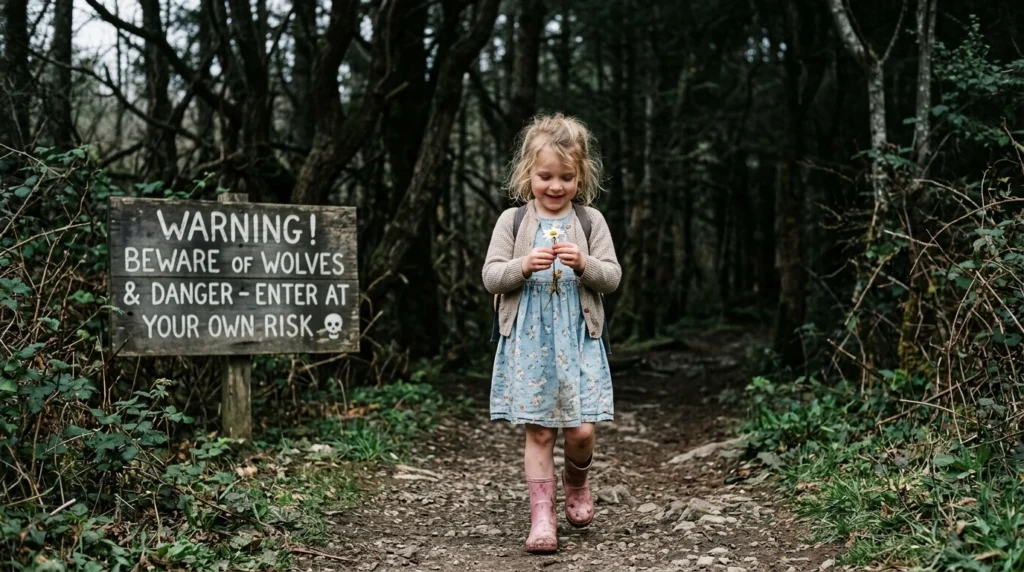
What Is a Metaphor for Naivety?
A metaphor for naivety compares a person’s innocence or lack of experience to something else without using words like as or like. Instead of saying someone is “very naive,” you compare them to an object, place, or idea that represents trust, purity, or inexperience.
Good metaphors help readers understand emotions quickly. They also make stories, essays, speeches, and conversations more engaging.
Why Writers Use Metaphors for Naivety
Metaphors can:
- Show innocence without directly saying it.
- Add emotion to a story.
- Make characters feel realistic.
- Create memorable descriptions.
- Help readers connect with the character.
35 Best Metaphors for Naivety
A Blank Page
A blank page has nothing written on it. It represents a mind untouched by experience.
Meaning: Someone who has not yet learned life’s hard lessons.
Example:
His heart was a blank page, ready to believe every promise.
An Open Book
An open book hides nothing and welcomes everyone.
Meaning: A person who is honest, trusting, and easy to understand.
Example:
She was an open book, believing everyone deserved trust.
Fresh Snow
Fresh snow is clean, pure, and untouched.
Meaning: Innocence that has not yet been changed by the world.
Example:
His thoughts were fresh snow before disappointment arrived.
A Newborn Bird
A young bird depends on others for everything.
Meaning: Someone who lacks experience and needs guidance.
Example:
Entering the business world, she was a newborn bird.
Unshaped Clay
Clay has endless possibilities before it is formed.
Meaning: Someone whose beliefs are still developing.
Example:
His opinions were unshaped clay, molded by everyone he met.
A Glass House
Glass looks beautiful but breaks easily.
Meaning: Innocence that can be damaged by harsh reality.
Example:
Her confidence was a glass house built on trust.
A Candle in the Wind
A candle burns softly and can easily go out.
Meaning: Gentle innocence that struggles against life’s difficulties.
Example:
His optimism was a candle in the wind.
A Lamb Among Wolves
This classic metaphor highlights innocence surrounded by danger.
Meaning: A trusting person in a dishonest environment.
Example:
The young traveler was a lamb among wolves.
A Child Walking Through Fog
Fog hides what lies ahead.
Meaning: Someone moving through life without seeing hidden risks.
Example:
He entered the deal as a child walking through fog.
A Seed Before Spring
A seed has great potential but little experience.
Meaning: Youth, innocence, and future growth.
Example:
She was a seed before spring, full of hope.
Clear Glass
Clear glass lets everything pass through.
Meaning: Complete honesty and openness.
Example:
His heart was clear glass.
A Sponge
A sponge absorbs everything.
Meaning: Someone who accepts ideas without questioning them.
Example:
The new student was a sponge, believing every story.
A Feather on the Breeze
A feather goes wherever the wind takes it.
Meaning: Someone easily influenced by others.
Example:
He drifted through life as a feather on the breeze.
Morning Dew
Morning dew sparkles briefly before disappearing.
Meaning: Fragile innocence.
Example:
Her trust was morning dew under the rising sun.
A Young Sapling
A sapling is still growing.
Meaning: Someone who lacks experience but has potential.
Example:
The intern was a young sapling in a forest of experts.
An Empty Cup
An empty cup is ready to be filled.
Meaning: A beginner eager to learn.
Example:
His mind was an empty cup.
A Newly Opened Door
An open door invites both good and bad visitors.
Meaning: Openness without caution.
Example:
Her kindness was a newly opened door.
A Soft Wax Seal
Soft wax changes shape easily.
Meaning: Someone influenced by every opinion.
Example:
His beliefs were soft wax.
Untouched Soil
Untouched soil has not yet been cultivated.
Meaning: Innocence waiting for life’s experiences.
Example:
Her imagination grew from untouched soil.
A Paper Boat
A paper boat floats but cannot survive rough water.
Meaning: Innocence facing life’s challenges.
Example:
His confidence was a paper boat on a stormy sea.
How to Choose the Right Metaphor for Naivety
Match the Tone
Choose gentle metaphors, such as fresh snow or morning dew, when writing about children or hopeful characters.
Choose stronger metaphors, such as a lamb among wolves or a paper boat, when describing vulnerability in difficult situations.
Think About the Context
Not every metaphor fits every story. A business article may benefit from “an open book,” while a novel may sound richer with “a child walking through fog.”
Keep It Natural
Use one strong metaphor instead of several in the same sentence. A simple comparison often has the greatest impact.

More Creative Metaphors for Naivety
A Butterfly Leaving the Cocoon
A butterfly has just entered the world and has not yet faced many dangers.
Meaning: Someone beginning a new stage of life with little experience.
Example:
Fresh out of college, he was a butterfly leaving the cocoon.
An Unlocked Treasure Chest
A treasure chest left open welcomes everyone.
Meaning: A person who trusts too easily.
Example:
Her heart was an unlocked treasure chest.
A White Flag
A white flag symbolizes peace and harmless intentions.
Meaning: Someone who assumes others also have good intentions.
Example:
He carried a white flag into every friendship.
A Tiny Boat Without an Anchor
Without an anchor, a boat drifts wherever the current takes it.
Meaning: A person easily influenced or misled.
Example:
She entered the new city like a tiny boat without an anchor.
An Uncut Diamond
An uncut diamond has great value but has not yet been shaped.
Meaning: Someone with potential who still lacks life experience.
Example:
The young artist was an uncut diamond.
A Candle Before the Storm
A candle shines brightly but is vulnerable to strong winds.
Meaning: Innocence facing harsh reality.
Example:
His trust was a candle before the storm.
A Door Without a Lock
An unlocked door lets anyone enter.
Meaning: A person who trusts people too quickly.
Example:
Her kindness was a door without a lock.
A Fish That Has Never Seen a Hook
The fish believes every bait is safe.
Meaning: Someone unaware of hidden dangers.
Example:
He accepted every offer like a fish that had never seen a hook.
A Young Tree in Strong Winds
Young trees bend easily because they are still growing.
Meaning: Someone whose opinions change quickly.
Example:
She was a young tree in strong winds.
A Star Before Sunrise
The star still shines before daylight changes everything.
Meaning: Pure hope before reality appears.
Example:
His dreams were a star before sunrise.
An Empty Backpack
An empty backpack has room to carry many lessons.
Meaning: A beginner with little experience.
Example:
She started her first job with an empty backpack.
A First Step on a Long Road
The journey has only begun.
Meaning: Someone at the beginning of learning.
Example:
His confidence came from taking the first step on a long road.
Wet Paint
Wet paint changes easily before it dries.
Meaning: A person whose ideas are easily shaped.
Example:
The child was wet paint, absorbing every lesson.
A Clear Mirror
A clear mirror reflects everything honestly.
Meaning: A person who sees the good in everyone.
Example:
Her heart was a clear mirror.
An Empty Nest
An empty nest waits to be filled.
Meaning: Someone with little knowledge or experience.
Example:
His understanding was an empty nest waiting for wisdom.
A Balloon in the Sky
A balloon floats wherever the wind blows.
Meaning: Someone who follows others without questioning them.
Example:
He drifted through life like a balloon in the sky.
A Soft Cloud
Clouds appear gentle and harmless.
Meaning: A peaceful person who expects kindness from others.
Example:
Her spirit was a soft cloud.
A New Notebook
Every page is clean and full of possibilities.
Meaning: Someone whose life experiences are just beginning.
Example:
The exchange student was a new notebook waiting to be filled.
An Eggshell
An eggshell protects what is inside but breaks easily.
Meaning: Fragile innocence.
Example:
His confidence was an eggshell.
A Window Without Curtains
Everything inside is visible.
Meaning: A completely honest and trusting person.
Example:
She lived like a window without curtains.
A Newly Lit Lantern
A lantern has just begun to shine.
Meaning: Early wisdom that still needs experience.
Example:
The apprentice was a newly lit lantern.
A River at Its Source
The beginning of a river is calm and small.
Meaning: Someone just beginning life’s journey.
Example:
Her career was a river at its source.
A Puppy Meeting the World
Puppies greet everyone with excitement.
Meaning: Innocent trust and curiosity.
Example:
He approached strangers like a puppy meeting the world.
A Garden Before Weeds
A fresh garden has not yet faced problems.
Meaning: Pure innocence before hardship.
Example:
Their friendship was a garden before weeds.
An Unread Letter
No one knows what lessons it contains.
Meaning: A life that has not yet unfolded.
Example:
She was an unread letter full of possibilities.
Comparison Table of Common Metaphors for Naivety
| Metaphor | Represents | Best Used For |
|---|---|---|
| Blank page | No experience | Students, beginners |
| Fresh snow | Purity | Children, innocence |
| Lamb among wolves | Vulnerability | Stories, fiction |
| Paper boat | Fragile trust | Emotional writing |
| Empty cup | Willingness to learn | Education |
| Feather on the breeze | Easily influenced | Personal growth |
| Door without a lock | Trusting everyone | Relationships |
| Fish that has never seen a hook | Unaware of danger | Advice and lessons |
| Butterfly leaving the cocoon | New beginnings | Career and life changes |
| Young sapling | Growth and learning | Motivation |
How to Use a Metaphor for Naivety in Writing
In Stories
A metaphor helps readers understand a character without long explanations.
Example:
He was a lamb among wolves, smiling at people who planned to fool him.
In Essays
Metaphors make ideas easier to remember.
Example:
Childhood is often a blank page waiting for experience to write its story.
In Speeches
A simple metaphor can leave a lasting impression.
Example:
Every expert began as an empty cup ready to learn.
In Everyday Conversation
You can use gentle metaphors naturally.
Example:
Don’t be a paper boat. Ask questions before you agree.
Tips for Creating Your Own Metaphors for Naivety
Think About Innocence
Choose objects that are clean, new, or untouched.
Examples include:
- Fresh leaves
- Morning light
- New shoes
- First snowfall
- Young plants
Think About Trust
Many metaphors describe someone who believes others too easily.
Ideas include:
- An open gate
- A house with no fence
- A wallet left on a park bench
- A candle in an open window
Think About Inexperience
Objects that are just beginning their journey often work well.
Examples include:
- First page of a book
- Empty map
- New compass
- First seedling
- Small stream
These images help readers understand the idea quickly without directly saying someone is naive.
Common Mistakes When Using a Metaphor for Naivety
Even good writers can misuse metaphors. Avoid these common mistakes to keep your writing clear and effective.
Using Too Many Metaphors
Incorrect:
She was a blank page, a paper boat, a feather, and fresh snow all at once.
Correct:
She was a blank page, eager to learn from every experience.
Explanation: One strong metaphor creates a clearer picture than several mixed together.
Choosing a Metaphor That Doesn’t Match the Tone
Incorrect:
The happy child was a ticking time bomb.
Correct:
The happy child was fresh snow, untouched by life’s worries.
Explanation: Match the metaphor to the emotion you want to express.
Explaining the Metaphor Too Much
Incorrect:
He was a sponge because sponges absorb water, and that means he learned many things.
Correct:
He was a sponge, soaking up every lesson.
Explanation: Let the metaphor do the work.
Mixing Different Images
Incorrect:
She was a paper boat climbing a mountain.
Correct:
She was a paper boat drifting through rough water.
Explanation: Keep the image consistent.
Using a Metaphor Where Plain Language Is Better
Not every sentence needs a metaphor.
Instead of:
The meeting was a fresh snow of business ideas.
Simply write:
The meeting introduced many new ideas.
Forgetting Your Audience
Simple metaphors work best for beginners and ESL learners.
Choose familiar images like:
- Blank page
- Young tree
- Empty cup
- Fresh snow
- Paper boat
Repeating the Same Metaphor
If you have already called a character a “blank page,” try a different image later instead of repeating it throughout your writing.
Quick Memory Trick
Remember this simple idea:
Naivety = A Mind That Hasn’t Met the World Yet
Think of these easy images:
- Blank page
- Empty cup
- Fresh snow
- Young sapling
- Paper boat
Each one reminds you of innocence, trust, or lack of experience.
A good metaphor for naivety should help readers picture someone who is still learning about life.
Practice Quiz
1. Which metaphor best describes someone with very little life experience?
A. Broken chain
B. Blank page
C. Heavy stone
D. Locked door
Answer: B. Blank page
2. Which metaphor shows someone who trusts everyone?
A. Door without a lock
B. Iron wall
C. Burning bridge
D. Closed window
Answer: A. Door without a lock
3. Which metaphor represents fragile innocence?
A. Steel bridge
B. Paper boat
C. Brick wall
D. Mountain peak
Answer: B. Paper boat
4. Which metaphor suggests a person is ready to learn?
A. Empty cup
B. Rusty chain
C. Heavy anchor
D. Broken clock
Answer: A. Empty cup
5. Which metaphor describes someone easily influenced by others?
A. Feather on the breeze
B. Stone pillar
C. Oak door
D. Iron shield
Answer: A. Feather on the breeze